























Kelly Osbourne now in 2026: BRIT Awards appearance, grief for Ozzy, and renewed focus on weight-loss scrutiny

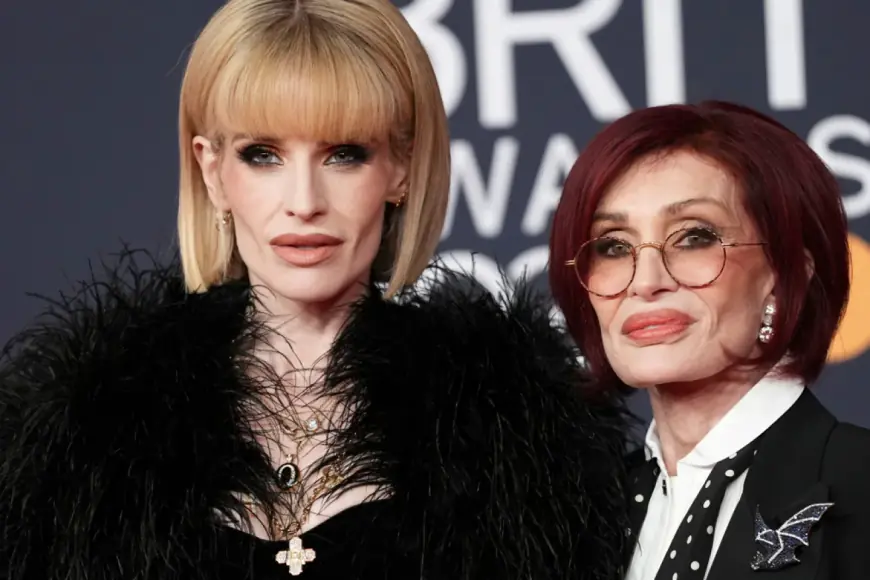
Kelly Osbourne is back in the public eye in 2026, but not on the terms celebrities usually choose. Her latest headline moment came at the BRIT Awards in late February, where she appeared alongside Sharon Osbourne to accept a Lifetime Achievement honor on behalf of her father, Ozzy Osbourne. Within hours, the conversation that followed wasn’t centered on the tribute or the family’s grief—it pivoted to her body, her face, and the familiar cycle of “before and after” commentary that has trailed her for years.
Osbourne responded directly, condemning what she described as cruelty and body-shaming at a time she says she’s “going through the hardest time” of her life. The message landed because it wasn’t polished PR language. It sounded like exhaustion—someone trying to show up for a public duty while being treated as public property.
Kelly Osbourne at the BRIT Awards: why the night mattered beyond the red carpet
The BRITs appearance wasn’t just another awards-season look. It was a rare, emotionally loaded outing for a family that has largely kept a low profile since Ozzy’s death. Ozzy Osbourne died in July 2025 at 76, after years of widely known health issues that included Parkinson’s disease. That context matters, because the BRITs moment wasn’t a victory lap—it was a memorial delivered under bright lights, in a room built for celebration.
For Kelly, showing up meant stepping into a role she’s had since childhood: the daughter in a famous family, expected to be composed while strangers narrate her life back at her. The difference in 2026 is that she’s no longer a reality-TV kid being teased for attitude or fashion. She’s a mother, a public figure in her own right, and—by her own description—someone grieving in real time.
That’s why the aftermath stung. The tribute was supposed to be about Ozzy’s legacy and the family’s loss. Instead, social media fixated on whether Kelly looked “too thin,” whether she looked “unwell,” and whether her transformation must have involved medication or cosmetic work. It’s the same machine that has followed countless women for decades, but it hits differently when the person at the center is explicitly telling you she’s not okay.
Kelly Osbourne weight loss: what she has actually said, and why “before and after” never tells the full story
Searches for “Kelly Osbourne weight loss” and “Kelly Osbourne before and after” spike whenever she appears publicly, and 2026 is no exception. The truth is her body has changed across multiple phases of her life, for multiple reasons—and those reasons don’t fit neatly into a single viral narrative.
Osbourne has spoken openly in the past about bariatric surgery, specifically a gastric sleeve procedure in 2018, and she has attributed a major portion of her weight loss to that decision paired with long-term lifestyle changes. In later interviews, she also pushed back on assumptions that her appearance was the result of a trendy injectable weight-loss drug, saying she did not use it and criticizing how quickly people leap to conclusions when a woman’s body changes.
This matters because the “before and after” framing is designed to erase context. It treats bodies like plot twists, not like the output of health, stress, hormones, grief, pregnancy, aging, and mental wellbeing. It also creates a trap: if you lose weight, people demand your method; if you gain weight, they demand your explanation; if you stay the same, they judge you for not “improving.”
In Osbourne’s case, the 2026 scrutiny lands on top of a grieving process, and grief does change bodies—sleep, appetite, routine, alcohol intake, medication, and anxiety can all shift rapidly. The public often reads visible change as a moral story. For the person living it, it can be a symptom of survival.
Kelly Osbourne now: why her response in 2026 is resonating
Osbourne’s public reaction after the BRIT Awards didn’t try to win an argument about numbers on a scale. It challenged the premise of the conversation. She framed the comments as dehumanizing—less “concern” and more spectacle—especially given the timing and the personal loss behind the appearance.
That message is resonating because it exposes how the internet uses “concern” as a socially acceptable wrapper for judgment. A stranger can write something harsh, then insist they’re “just worried.” But worry typically comes with empathy and boundaries. What Osbourne is calling out is something else: a ritual in which women are assessed, ranked, and dissected, then told to be grateful for the attention.
The BRIT Awards moment also re-centered her in the larger Osbourne family narrative. For years, she’s been treated as a supporting character—Ozzy’s daughter, Sharon’s daughter—rather than a person with her own thresholds and limits. In 2026, her public stance reads like someone drawing a line: you don’t get to turn my grief into content.
What comes next for Kelly Osbourne in 2026: three likely paths
The next chapter depends less on what Kelly does and more on what the public decides to do with her image. Still, a few outcomes are most likely.
One path is a pullback—fewer red carpets, fewer public-facing moments, and tighter control over when she’s seen. That’s a common response after an intense wave of commentary, especially when family circumstances are already heavy.
Another is a reframing—more direct messaging about boundaries and mental health, possibly through interviews or personal posts that focus less on appearance and more on what she’s navigating as a daughter and mother. If she chooses this path, it can shift coverage away from speculation, but it also asks her to do emotional labor she doesn’t owe anyone.
A third is the status quo—the internet cycles to the next target, then returns the next time she’s photographed. In that scenario, the most meaningful change won’t come from another statement; it will come from editors, commenters, and audiences deciding that “before and after” obsession isn’t a neutral hobby when the person involved is asking for basic humanity.
For now, the clearest “Kelly Osbourne now” update in 2026 is this: she made a public appearance to honor Ozzy Osbourne, and the reaction reminded everyone how quickly grief gets drowned out by aesthetics. Her response wasn’t a celebrity clapback. It was a demand to be treated like a person, at the exact moment people were most tempted to forget she is one.