























Tyler The Creator and the Revival Debate: Why J. Press’s Exact Reproductions Spark a Larger Conversation

This moment matters because a niche menswear house that recently moved onto the wider fashion radar staged a spring 2026 runway that leaned heavily on a 1965 source—then received a public critique from tyler the creator. It’s a small flashpoint but it lands at a turning point: brands are balancing faithful archival re‑creations with expectations for contemporary reinterpretation, and cultural scenes from fashion to metal are actively wrestling with revival versus reinvention.
Context: Tyler The Creator’s comment lands amid a century-plus history and recent brand visibility
J. Press traces back to Yale in 1902 and has been known for classic Ivy Style staples. The brand’s latest edit leaned on imagery from Take Ivy, a book first published in Japan in 1965, and the spring 2026 runway included looks that echoed those reference photos closely. That proximity to its source comes after a period of higher-profile collaborations and the brand’s first runway at the most recent September fashion week under its current creative leadership—moves that helped put it in front of a broader audience beyond diehard menswear fans.
What unfolded and why the exchange matters
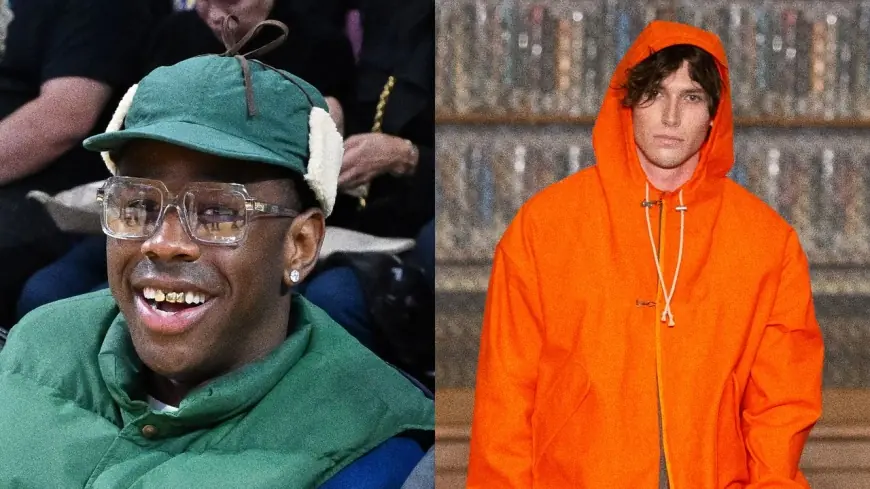
On Instagram, J. Press shared reference photos from the Take Ivy book alongside runway images. One striking recreation recreated a blurry archival photo of a barefooted student in the rain—complete with a bright orange anorak—on the spring 2026 runway. tyler the creator posted a now-deleted comment questioning why the brand hadn’t shifted colors or styling choices to make the looks feel more current, and later clarified that his critique came from a place of liking the brand. The label responded cheerily that its approach was partly a reimagining and partly a painstakingly faithful recreation of the archival material.
Here’s the part that matters: the exchange is less about a single jacket and more about how legacy houses choose to present their histories when they suddenly attract new attention. The audience now includes people who follow runway coverage casually, not only those who have long tracked Ivy Style details.
Meanwhile, a different cultural corner offers a contrasting model. The metal scene in 2026 is being described as healthy, with a steady flow of new bands. Emerging acts cited include Pinkshift, Turn Cold, Opia and Vianova. One example: Pinkshift’s second album, Earthkeeper, leans into political and personal themes and marks a stylistic shift from the band’s earlier work. The band’s singer has discussed how the record addresses coming-of-age anxieties tied to climate and politics, and individual tracks were shaped by personal visits and political stances taken by the group in 2025.
Both snapshots—J. Press’s archival runway and the metal scene’s wave of newcomers—illustrate different responses to legacy. Some creators opt for meticulous re‑creation; others rework influences aggressively into something new. That tension is now playing out publicly.
What’s easy to miss is how these decisions ripple: faithful recreations can sharpen a brand’s archival credibility but risk alienating audiences who expect a contemporary point of view; aggressive reinvention can win new listeners or buyers while upsetting purists. The real test will be whether labels and artists double down on one approach or find hybrid paths that acknowledge roots while signaling fresh authorship.
- Groups most directly affected include long-standing menswear enthusiasts who track archival fidelity and the growing cohort of casual fashion observers now noticing runway drops.
- Younger listeners and emerging artists in music are shaping a parallel conversation about authenticity and political engagement, shown by recent albums and public stands taken by bands.
- Signals that could confirm the next turn: further runway pieces that either strictly reproduce archival photos or clearly reinterpret them, and whether new music continues to foreground political themes and stylistic shifts.
If you’re wondering why this keeps coming up: cultural attention cycles amplify small acts into broader debates when legacy brands or rising artists reach new audiences. That’s what happened here—an archival-inspired show, a high-profile comment, and a wider cultural moment where revival and reinvention are both on view.
The exchange around the J. Press runway, and the contemporaneous buzz around new metal bands, aren’t identical stories—but together they map a moment when creators, curators and audiences are actively negotiating how the past should inform the present.