























Idf Involvement Recasts the Campaign: Consequences from Operation Epic Fury and What Comes Next

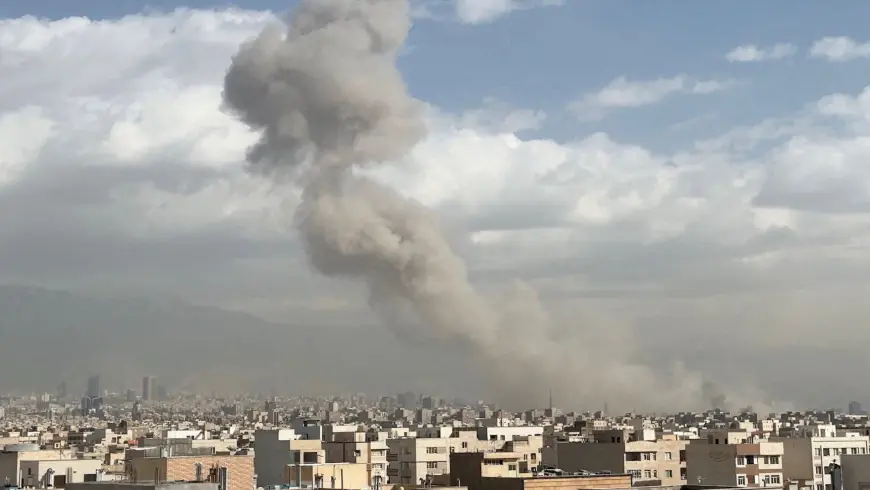
What changes because of the US-Israeli strikes is already visible: an immediate shift from limited strikes to a broader campaign footprint that raises political, legal and security questions across multiple theaters. The idf’s role in Operation Epic Fury — launched Saturday morning — amplifies escalation pressures after Iran responded with attacks on Israel and US bases. The real question now is how long this high-intensity posture will persist and whether objectives and endgame are aligned.
Consequences unfolding as idf and US forces press a high-risk campaign
The most consequential near-term effect is strategic ambiguity. Military action has opened multiple fronts while public messaging presses political aims; that combination makes de-escalation harder. Experts assessing the campaign note several overlapping consequences: the campaign’s objectives appear broad and may lack a clear endgame; retaliation has already arrived and may continue; and domestic politics in the United States and the region will be reshaped by the conflict’s trajectory.
What’s easy to miss is how messaging from leaders — urging regime change or public uprisings once fighting ends — changes the diplomatic landscape as much as the battlefield. That kind of rhetoric can harden adversary resolve and complicate back-channel options.
Event details and the expert read: campaign, response, and disputed clarity
On Saturday morning, US and Israeli forces launched Operation Epic Fury; US leadership described the campaign as "massive and ongoing. " Shortly after, Iran carried out strikes targeting Israel and US bases in the region. Shortly thereafter, a set of expert judgments emerged that cluster around a few clear themes:
- Unclear objective: Several analysts emphasize that the campaign’s stated aim is broad and the endgame is not yet articulated.
- High risk, possible high reward: Some see the action as a deliberate gamble that could yield strategic gains but also substantial costs if escalation continues.
- Retaliation likely to persist: Early Iranian strikes are read as a signal that Iran is not stepping back, which suggests a prolonged cycle of response and counter-response.
- Domestic and legal implications: The campaign raises questions about the war’s home-front implications and about international law that commentators say will matter as events unfold.
- Operational reserve: One view flagged the possibility that not all strike assets were expended, meaning future actions could be calibrated rather than exhaustive.
The combination of broad political aims and active retaliation increases uncertainty for military planners and diplomats alike. If you’re wondering why this keeps coming up: the gap between public political objectives and measurable military goals tends to determine how long and costly a campaign becomes.
Short Q&A to clarify immediate stakes
- Q: Is the campaign over? A: No — the operation has been described as ongoing and Iran has already struck back, so activity continues.
- Q: Are the objectives fixed? A: Experts underline that objectives appear broad and a clear endgame is not evident.
- Q: Could this widen regionally? A: Early retaliation and the campaign’s scale create a risk of broader regional entanglement unless diplomatic or operational brakes are applied.
Signals to watch for that would confirm a shift: public clarification of military objectives, visible changes in force deployment, or a distinct diplomatic opening aimed at de-escalation. The real test will be whether political aims and military strategy align in a way that makes a finite endgame plausible.
Editor’s aside: The bigger signal here is how political messaging about post-conflict outcomes—calling for internal change in Iran—may limit options for rapid diplomatic de-escalation even if operational commanders seek it.