























Dubai Bombing: Immediate Impact Lands on Passengers, Flights and Readers When Coverage and Access Collide

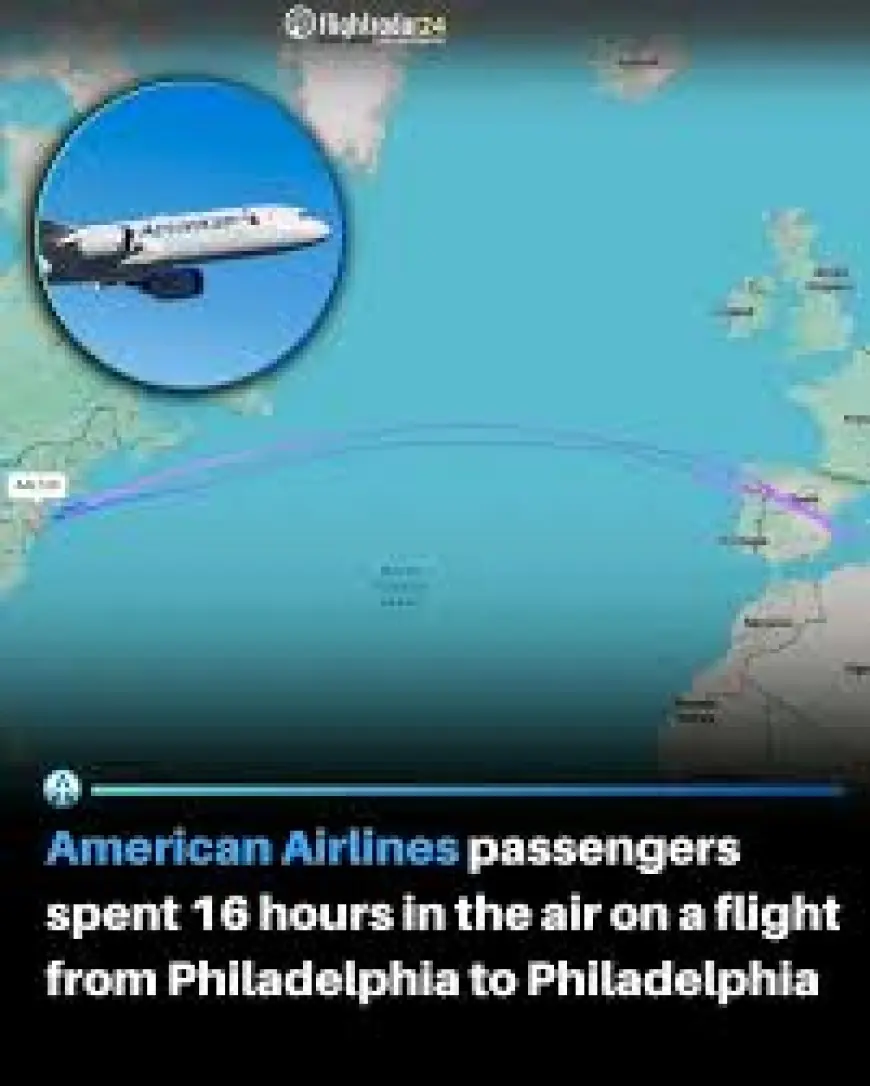
Travelers were the first to feel the ripple from the dubai bombing headline: an account says passengers escaped a bombing in Dubai minutes before flying back to Boston, and that line landed on pages where access and context were uneven. That mix — near-miss travel reporting, a geo-blocked news page and a feed full of unrelated items — matters because it reshapes who gets timely information and how quickly people can act.
Who felt the impact first: passengers, flight plans and audience access
Here’s the part that matters: a single near-miss for travelers can cascade into canceled plans, frantic communications and a scramble for reliable updates. In this instance, a headline about passengers escaping a bombing in Dubai minutes before a return to Boston created immediate effects for those on the flight and anyone following from afar. The real question now is how readers outside the country can see full coverage when access to some news pages is blocked.
Dubai Bombing: the core event described in a headline
The prominent claim in the coverage is compact: passengers escaped bombing in Dubai minutes before flying back to Boston. Details beyond that headline are unclear in the provided context; the phrasing centers on an apparent narrow escape tied to a flight that was due to return to Boston.
News access problems surfaced alongside the story
When the headline circulated, at least one news website showed a geo-block message: the site displayed a notice saying the website is unavailable in your location and suggested the access attempt was coming from a country outside the United States, so access could not be granted. That message, encountered by readers seeking updates, is itself part of the immediate disruption around the dubai bombing headline.
A confusing feed: unrelated headlines that appeared nearby
Readers who reached the page encountered a scatter of unrelated items on the same feed. Those items included mentions of a hot Pokémon card with Wall Street ties; a note that the only other players from Gibson's 2009 draft class to see minutes this season were Stephen Curry, James Harden, Jrue Holiday and DeMar DeRozan; a consumer warning about mistakes people make around 2 a. m.; and commentary that beyond Mendoza the 2026 NFL Draft contains many backup quarterbacks and few clear starters.
- A number of items were secured by the Hockey Hall of Fame during and after the 2026 Winter Olympics.
- Lorenzo turned heads with blistering speed on Friday after his younger brother, Sonny, dominated headlines with an impressive Thursday workout in Indianapolis.
- Health tips were offered for the week ahead, including a simple trick to ease the daylight saving time switch.
- A profile pair framed Aleksandr Karelin as the "Russian Bear" and Akira Maeda as a retired shootfighting pioneer; together they produced a major spectacle in 1990s Japan and the piece asked whether it was authentic or staged.
- Skimo made an Olympic debut, with coverage noting the question of whether it will persist at future Winter Games.
- An interview-focused item mentioned Matthew Lillard discussing Scream 7, dry spells, career longevity and lessons from living with a roommate named Paul Rudd.
It’s easy to overlook, but that jumble of topics on the same page changes how urgent a single headline feels: a life-and-death near-miss can be diluted by adjacent lifestyle and sports copy when readers need a clear, prioritized update.
Signals, immediate implications and small next steps
- Travelers tied to the headline likely experienced immediate stress and a need for confirmed flight and safety information.
- Geo-blocking of a news page limited access for audiences outside the United States, which could delay family and friend notifications.
- Mixed editorial placement — safety-critical reporting next to entertainment and sports blurbs — raises questions about how publishers prioritize emergencies on multi-topic feeds.
- Confirmations that would validate the next turn are unclear in the provided context; additional verified updates would clarify flight status and passenger outcomes.
What’s easy to miss is how much distribution mechanics — who can see a page and what else appears nearby — shape a story’s real-world impact.
Writer's aside: the juxtaposition of a potentially serious travel incident with a patchwork of unrelated headlines and a blocked page suggests gaps in how breaking news reaches different audiences; clarity and prioritized updates matter most in those moments.
If you’re wondering why this keeps coming up: narrow escapes on international routes create rapid local concern, and when access to local coverage is restricted, secondhand headlines become the primary signal for people trying to understand whether loved ones are safe.
Note: some details are unclear in the provided context and may evolve as fuller information becomes available.