






















Bbc Nees: Starmer speaks to Trump as UK deploys planes in Middle East defensive operation

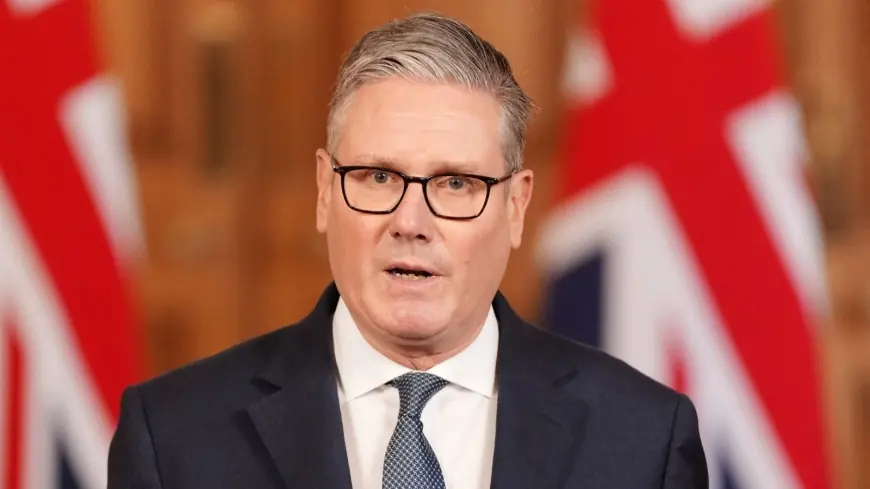
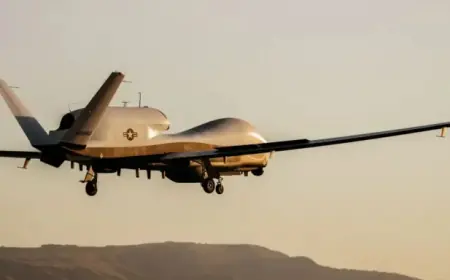
Sir Keir Starmer spoke to Donald Trump after US and Israeli strikes across several Iranian cities, including Tehran, and said British planes were "in the sky" in the Middle East as part of a defensive operation — a position he reiterated in the call; nees coverage has focused on his insistence that the UK did not take part in the strikes.
Starmer’s call with Trump and the UK’s defensive posture
Starmer told the US president that British activity in the region was designed "to protect our people, our interests and our allies, " and made clear the UK "wasn't involved" in the American/Israeli attacks. He said the defensive activity was "in line with international law" and that protections for British bases and personnel had been stepped up to their highest level.
Nees and a rare joint statement with France and Germany
Alongside French President Emmanuel Macron and German Chancellor Friedrich Merz, Sir Keir released a joint statement calling on Iran to "refrain from indiscriminate military strikes" and to "seek a negotiated solution. " The three leaders said: "Ultimately, the Iranian people must be allowed to determine their future. " The statement also said: "We did not participate in these strikes, but are in close contact with our international partners, including the United States, Israel and partners in the region. "
What Starmer said about Iran and domestic threats
Starmer condemned Iran's retaliatory attacks "on partners across the region" after explosions were heard in several Middle Eastern countries hosting US facilities, calling those strikes "indiscriminate" and saying many of the countries attacked were "not parties to this conflict. " He described the Iranian regime as a direct threat at home: "Even in the United Kingdom, the Iranian regime poses a direct threat to dissidents and to the Jewish community, " and added: "Over the last year alone, they have backed more than 20 potentially lethal attacks on UK soil. So it is clear they must never be allowed to develop a nuclear weapon. "
Domestic politics and diplomatic caution
Starmer has been under pressure from both left and right over the American strikes, with the left urging him to call the US action "illegal" and the right pushing for open support. He has taken a cautious line—stopping short of backing the strikes while endorsing aspects of the rationale—and has urged Iran to "give up their weapons programmes and cease the appalling violence and repression. " He is thought to have previously blocked the US from using UK bases over concerns about breaching international law and has resisted other actions such as refusing the use of British military bases and signing the Chagos deal with Mauritius. The prime minister also chaired a meeting of the government’s Cobra emergency committee to discuss Britain’s response.
Regional fallout: travel disruption, injuries and military alerts
The situation has caused major disruption to air travel and security, leaving hundreds of thousands of Britons potentially affected and causing airports to close in the region. Four people were injured after an "incident" at a building in the Palm Jumeirah area of Dubai, with eyewitness images showing a plume of smoke near the Fairmont The Palm hotel. Iran's Supreme National Security Council has promised a "crushing" response to the US-Israeli attacks.
European response and next diplomatic steps
European leaders reiterated their commitment to regional stability and the protection of civilian life. The EU said it is exploring "diplomatic paths" with Arab nations and called on all parties to "maximise restraint" to protect civilians and respect international law. The European Commission president described the developments as "greatly concerning" and said the EU was in "close contact" with its diplomatic partners, reaffirming a commitment to safeguarding regional security and nuclear safety and offering EU citizens in the region its "full support. " The EU’s Aspides naval mission remains on high alert in the Red Sea and "stands ready to help keep the maritime corridor open. " President Macron has called for an urgent meeting of the UN Security Council, saying the war has "serious consequences" for international peace and security and that "the current escalation is dangerous for everyone. It must stop. "
Starmer’s phone call with Donald Trump followed direct US-Israeli strikes launched after negotiations to limit Iran’s nuclear programme ended without a deal; the leaders of France, Germany and the UK have urged Iran to "refrain from its destabilising activity in the region and our homelands, and to cease the appalling violence and repression against its own people, " and have urged the Iranian leadership to seek a negotiated solution as diplomatic channels continue to be pursued.