

























Oil and Gas Prices: Impacts of Continued Strikes on Iran

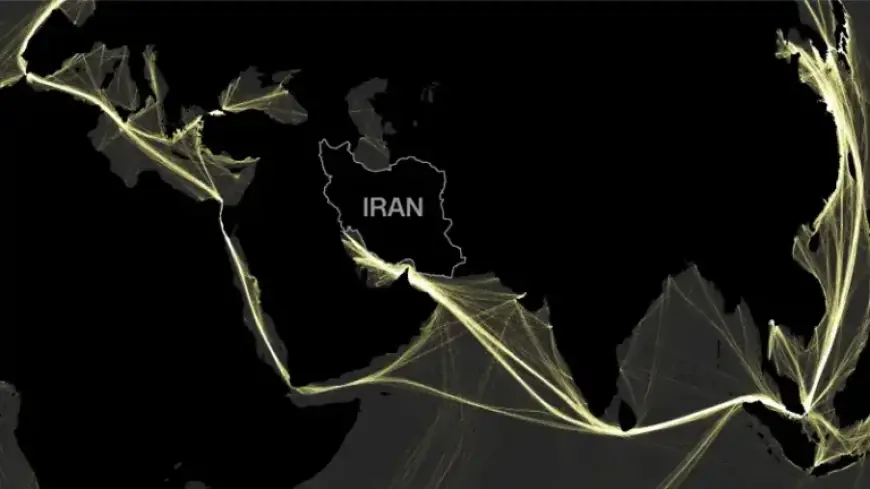
Recent military actions involving the United States and Israel against Iran are poised to significantly impact oil prices. Experts suggest that oil futures trading, which opens Sunday at 6 p.m. ET, may see a notable surge due to rising tensions. In response, the Organization of the Petroleum Exporting Countries (OPEC) announced an increase in daily oil production by 206,000 barrels.
Oil Price Projections
Despite OPEC’s decision to raise production, energy analysts predict that these measures will only partially alleviate the anticipated spike in oil prices. On the last trading day, Brent crude, the global oil benchmark, closed at $72.87 per barrel, following a 2.9% increase.
Factors Influencing Oil Prices
The potential duration of the military campaign against Iran and its implications for the Strait of Hormuz are critical factors affecting oil prices. This narrow waterway is vital for oil shipments from Middle Eastern nations, as it facilitates the passage of about 20 million barrels of oil daily, representing one-fifth of global output.
- OPEC is the major oil producer in the Middle East.
- The Strait of Hormuz is crucial, with Iran controlling its northern side.
- Iran possesses the world’s third-largest proven oil reserves.
Global Consequences of the Conflict
With Asian economies like China and India heavily reliant on oil imports, any disruption to shipments through the Strait could have severe global repercussions. If Iranian oil exports were affected, these countries might seek alternative suppliers, potentially driving global prices higher. In a previous conflict, Goldman Sachs reported that oil prices could rise over $100 per barrel should the Strait face extended disruptions.
According to Clayton Seigle from the Center for Strategic and International Relations, disruptions in oil supply can trigger price surges worldwide. He noted a potential increase of $10-12 per barrel due to a loss of Iranian production.
Impact on Gas Prices and Inflation
As the world’s sixth-largest oil producer, a conflict involving Iran is likely to lead to increased gasoline costs and overall inflation. Bob McNally from Rapidan Energy Group indicated that both Brent and West Texas Intermediate crude prices would likely rise sharply, with refined product margins also expected to increase significantly.
- Current nationwide gas prices average $2.98 per gallon.
- This average represents a slight uptick from the lowest levels seen since 2021.
Historically, when Israel engaged in military operations against Iran, Brent crude experienced substantial single-day gains. The latest developments highlight how geopolitical tensions can effectively influence the global oil market and consumer costs.
As the situation unfolds, further developments will be crucial to monitor for their impacts on oil and gas prices on a global scale.