























Austin shooting at Buford’s on West 6th Street leaves 3 dead, 14 injured

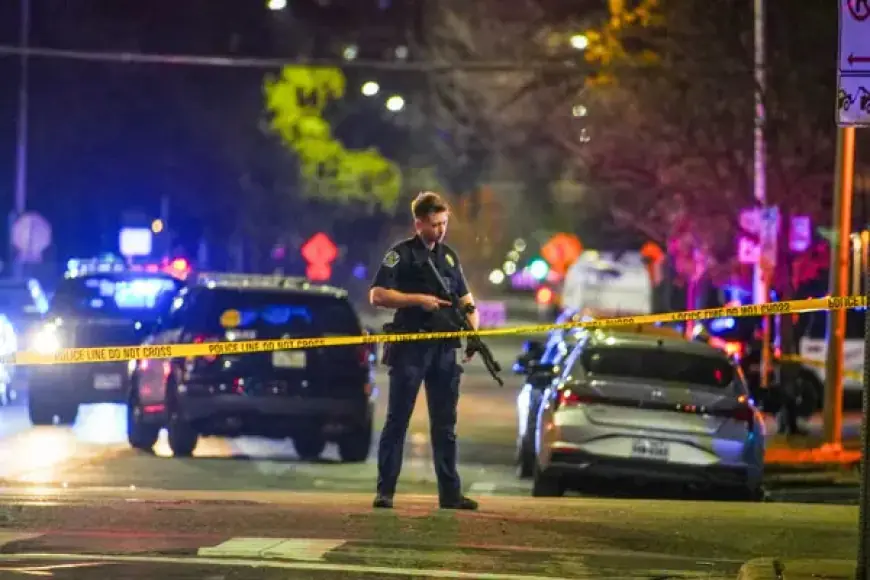
A late-night shooting at Buford’s Backyard Beer Garden on West 6th Street in Austin, Texas, left three people dead — including the suspected gunman — and sent 14 others to hospitals early Sunday, March 1, 2026 (ET). Police said officers confronted an armed man at the scene and fatally shot him after gunfire erupted near the crowded bar district as venues were closing.
The incident has renewed attention on safety in Austin’s entertainment corridor and is expected to prompt a fast-moving review of policing, security practices, and late-night crowd control downtown.
Austin shooting timeline and key numbers
Emergency calls came in shortly before 3 a.m. ET, with officials citing call times in the roughly 2:40–3:00 a.m. ET range. First responders arrived in under a minute and began triage on scene, officials said, as multiple victims were treated along the street and near the venue.
| Measure | Detail (ET) |
|---|---|
| Date | Sunday, March 1, 2026 |
| Emergency call time | Roughly 2:40–3:00 a.m. |
| Location | West 6th Street near Buford’s |
| Deaths | 3 (includes suspected gunman) |
| Injured | 14 transported to hospitals |
| Critical injuries | 3 listed in critical condition |
The suspect’s identity and a motive had not been publicly confirmed as of Sunday morning.
What police say happened at Buford’s
Officials said officers in the downtown area moved quickly to West 6th Street after reports of a man firing a weapon near the bar. Police said the suspect was armed when officers arrived and that shots were fired during the confrontation. The suspected gunman was pronounced dead at the scene.
Investigators have not publicly detailed where the suspect was positioned, how many shots were fired, or whether the first shots came from inside the venue or outside in the street. Those details often emerge later through witness interviews, video review, and forensic analysis.
Why West 6th Street is a recurring pressure point
West 6th Street is one of the city’s busiest nightlife stretches, especially near closing time when crowds move between bars and into rideshares. That mix — large groups, alcohol, tight sidewalks, and traffic bottlenecks — can turn minor disputes into fast-moving incidents.
Even when police are nearby, the most dangerous window is often the first moments: confusion in a dense crowd, limited visibility, and multiple potential directions of flight. In this case, officials emphasized rapid response and immediate medical care as factors that may have reduced the death toll.
What’s known about victims and hospital response
Fourteen people were transported to hospitals, with three in critical condition. Authorities have not released the ages or identities of the deceased or injured, and it is unclear how many were patrons, employees, or passersby.
Officials described a coordinated response involving police, firefighters, and emergency medical teams. As daylight arrived, the area remained an active scene with taped-off blocks and investigators working through evidence collection.
What happens next in the investigation
The next updates are likely to focus on three questions:
First, the suspect profile: identity, how the firearm was obtained, and whether there were warning signs or a prior dispute that escalated.
Second, the sequence of events: whether the shooting began inside the bar, at an entry point, or outside along the street — and how the crowd flow at closing time shaped the incident.
Third, policy response: whether city leaders and law enforcement propose changes such as added late-night staffing, revised street closures, enhanced venue security coordination, or adjustments to how officers are deployed between East and West 6th Street.
For now, the Austin mass shooting at Buford’s stands as one of the most serious episodes in the city’s nightlife district in recent years — and a stark reminder that the most dangerous moments can unfold in seconds when crowds are at their largest.