























Iran school strike hits girls’ elementary school in Minab, killing at least 148

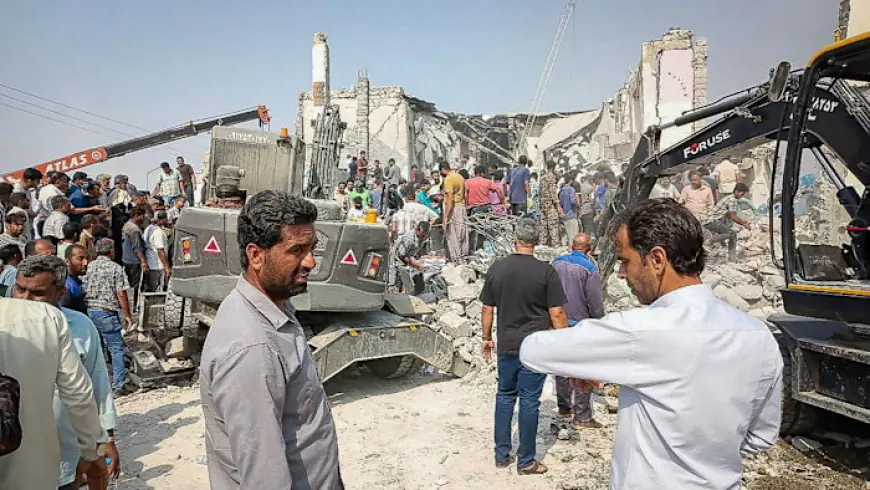
A deadly Iran school hit on a girls’ elementary school in the southern city of Minab has become a focal point of the widening conflict, with Iranian officials saying at least 148 people were killed and dozens more injured. The strike, which hit during morning school hours on Saturday, Feb. 28, 2026 (ET), has triggered outrage inside Iran, renewed calls for civilian protections, and heightened scrutiny of how targets are selected in densely populated areas.
Officials in Tehran have described the incident as the worst single civilian-loss event since the latest round of cross-border attacks began. Independent confirmation of the full casualty count remains unclear at this time because access to the site and documentation is limited.
What happened at the school
Iranian authorities say a girls’ elementary school in Minab, in Hormozgan province, was struck while classes were in session. The attack reportedly damaged multiple parts of the building and left debris across classrooms and corridors, with emergency crews and residents moving through rubble to locate children and staff.
Iranian figures say roughly 170 students were present at the time. The strike has been described as occurring mid-morning local time, which corresponds to the early hours in the United States.
Timeline and key figures (ET)
| Item | Detail |
|---|---|
| Date of strike | Saturday, Feb. 28, 2026 (ET) |
| Approx. time | Around 2:15 a.m. ET (mid-morning in Iran) |
| Location | Minab, Hormozgan province, Iran |
| Reported deaths | 148 |
| Reported injuries | 95 |
| Victims described as | Primarily schoolchildren (many reported as girls) |
The death and injury totals reflect figures released by Iranian officials and state-affiliated channels. The numbers may change as missing persons are accounted for and hospitals update records.
Competing claims and what is not confirmed
Iran has attributed the Iran school strike to external military action connected to the broader wave of attacks on Iranian territory. Meanwhile, statements from parties involved in the wider campaign have not publicly confirmed responsibility for striking a school, and at least one denial has circulated regarding operations in the immediate Minab area.
Two facts can be true at once in early reporting: a school was hit, and responsibility remains disputed publicly. Without transparent, third-party verification on-site, the precise weapon used, the exact aim point, and the chain of command behind the strike are not publicly confirmed.
Why this incident is reshaping the conflict narrative
Even in conflicts where military sites are targeted, a strike on an Iran elementary school carries a different weight politically and legally. Schools are widely treated as protected civilian objects under the laws of armed conflict, and any operation near a school raises urgent questions about proportionality, precautions, and whether feasible alternatives existed.
Iranian officials have said the school’s proximity to other facilities is part of their argument that the area should have been avoided. Critics of the broader campaign are highlighting that proximity itself can increase risk to civilians rather than reduce it—especially at times of day when children are likely to be present.
The strike is also sharpening diplomatic pressure. Tehran has pushed for urgent international action, while humanitarian groups and prominent public figures have called for protection of schools and civilians.
Humanitarian fallout on the ground
Local accounts describe overwhelmed medical response, families searching for missing children, and hospitals dealing with traumatic injuries. The sheer number of child victims has intensified public anger, including calls for accountability and demands for guarantees that schools will not become de facto front-line zones.
In practical terms, the incident may trigger temporary school closures in nearby areas, disrupt basic services, and accelerate displacement from cities seen as vulnerable to follow-on strikes. Even short-term displacement can ripple into longer-term problems: interrupted education, strained healthcare, and shortages of essential supplies if transport routes are disrupted.
What to watch next
Several near-term developments will determine how the story evolves:
-
Verification of casualty figures: whether hospital and local registry updates match initial national-level tallies.
-
Clarity on targeting: whether any party releases operational details that explain the intended target and the safeguards used.
-
International response: whether emergency diplomatic sessions, condemnations, or proposed investigations gain traction.
-
Further strikes and retaliation: whether the broader conflict escalates or pauses as leaders assess domestic and international blowback.
For now, the Minab tragedy stands as a stark illustration of how quickly the costs of modern conflict can fall on civilians—and how a single Iran girls school incident can reshape both public opinion and the diplomatic direction of the crisis.