























Pakistan, Karachi, and Iraq hit by violent protests and fresh security alerts

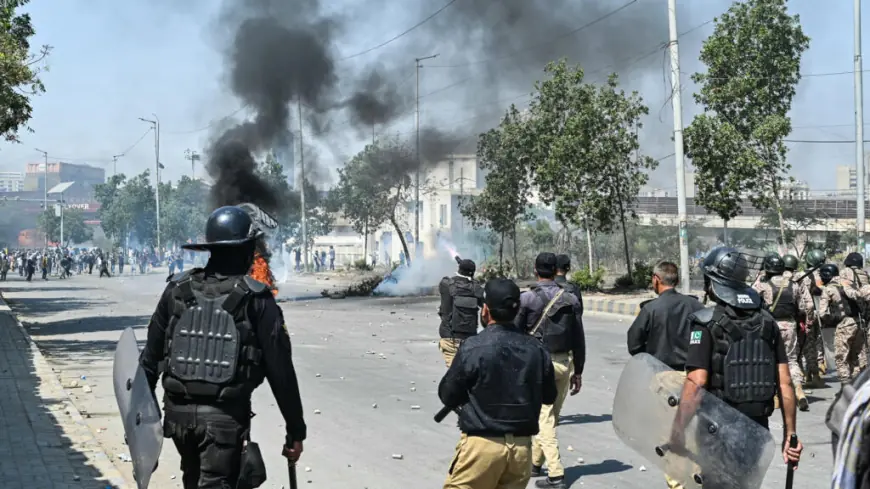
Violent demonstrations in Karachi, Pakistan on Sunday, March 1, 2026 (ET) left multiple people dead after crowds pushed toward a major Western diplomatic compound, part of a wider regional backlash tied to a rapidly escalating Iran-related crisis. In Iraq, large protests and heightened security measures unfolded the same day, alongside new reports of attacks near military-linked sites in the north, adding to fears that unrest could spill across borders and disrupt travel, commerce, and diplomatic operations.
Officials in both countries urged calm while security forces reinforced sensitive areas. Several key details—such as the exact sequence of events at some flashpoints and the full scale of property damage—remained unclear at the time of early updates.
Karachi protest turns deadly
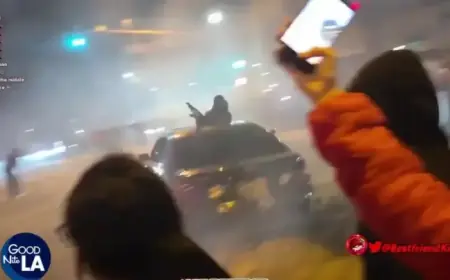
In Karachi, demonstrators gathered in large numbers and attempted to breach perimeter security at a major diplomatic mission, triggering clashes with police and paramilitary forces. The confrontation escalated into gunfire, injuries, and multiple fatalities. Emergency responders also treated dozens of wounded people, with some reported in critical condition.
Beyond the immediate loss of life, the Karachi violence matters because it signals how quickly large gatherings can pivot from protest to mass-casualty incidents when crowds press into fortified areas. It also forces an immediate operational response: lockdowns, road closures, reinforced checkpoints, and restrictions on movement around consular districts that are often embedded in dense urban neighborhoods.
Unrest spreads across Pakistan
Karachi was not the only focal point. Demonstrations and road blockages were reported in other cities as crowds rallied near diplomatic and government zones. Some gatherings were described as tense but contained; others produced property damage and confrontations with security forces.
Pakistan’s domestic risk in moments like this often hinges on two pressure points at once: the scale of mobilization and the symbolic targets selected by crowds. When protests concentrate near foreign missions, authorities typically tighten security nationwide, not just in the city where the worst violence occurs, to prevent copycat attempts and to protect transportation corridors.
Iraq sees protests and tightening restrictions
In Iraq, pro-Iranian demonstrations formed near highly secured government districts in Baghdad, and crowd-control measures intensified as tensions rose. Police used standard dispersal tactics when protesters pressed against barriers, and authorities urged people to avoid restricted areas.
At the same time, security guidance for foreign nationals and diplomatic staff signaled a more cautious posture, including advice consistent with limiting movement and reducing public visibility. In practice, these measures can reshape daily life quickly—closing roads, reducing operating hours for some services, and raising the security footprint around hotels, restaurants, and commercial areas that are frequented by foreigners.
Attacks reported near northern Iraq sites
Separate from street protests, Sunday brought new reports of attacks targeting military-linked locations in northern Iraq, including incidents in the Kurdistan region. Initial descriptions varied on the type of weapons used—rockets, drones, or missiles were all cited as possibilities—while assessments were still emerging.
Even when casualties are limited, these strikes can have an outsized impact because they influence airspace risk calculations and force additional force-protection steps at bases, airports, and nearby civilian infrastructure. They also complicate the security picture: protests increase the risk of unrest in cities, while attacks on installations increase the risk of further retaliatory cycles.
What this could mean next for travel and diplomacy
The immediate effect is heightened friction around mobility. When protests and aerial threats occur in parallel, authorities and operators tend to favor caution:
-
Diplomatic facilities may reduce public-facing services and tighten access controls.
-
Airlines and logistics operators may reroute or adjust schedules if regional airspace risk is perceived to rise.
-
Major cities can see sudden traffic chokepoints if roads near sensitive zones are blocked.
Key takeaways
-
The Karachi clashes turned a protest into a mass-casualty event, increasing the likelihood of tighter security measures across Pakistan.
-
Iraq’s combination of protests and reported attacks raises the risk of rolling restrictions in Baghdad and the north.
-
Travel disruptions can persist even after crowds disperse, as security postures often stay elevated for days.
Looking ahead, the clearest indicators to watch are official decisions on curfews or route closures, whether diplomatic services remain limited into the workweek, and whether any additional attacks occur near airports or military-linked sites. If tensions remain high, both Pakistan and Iraq may lean on broader preventive policing—more checkpoints, more controlled access to central districts, and stricter scrutiny around large gatherings—to prevent the next flashpoint from forming.