
























Reza Pahlavi Emerges as Iran's Would-Be Leader as Trump War Reshapes the Middle East

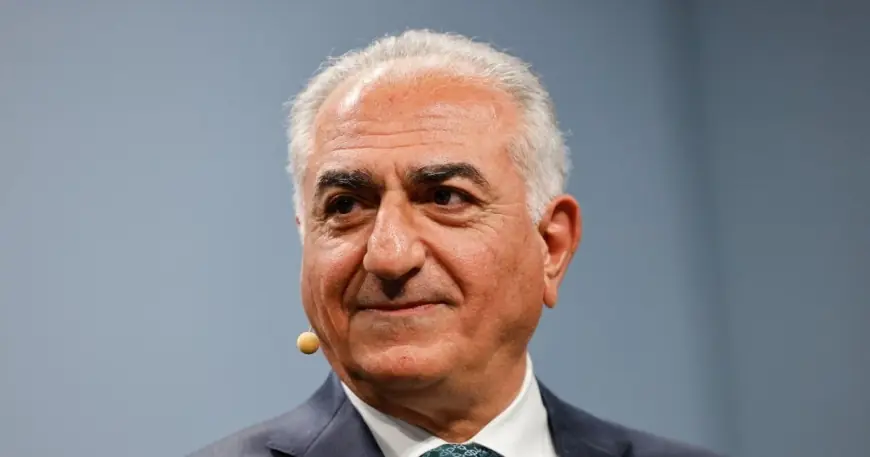
Reza Pahlavi, the exiled son of Iran's last Shah, has stepped into the global spotlight following the joint U.S. and Israel military operation that killed Supreme Leader Ayatollah Ali Khamenei on Saturday, February 28, 2026. As Trump's war against the Islamic Republic continues into March, Pahlavi is publicly positioning himself as Iran's transitional leader — and the world is watching closely.
Trump War Launches Operation Epic Fury — Khamenei Killed
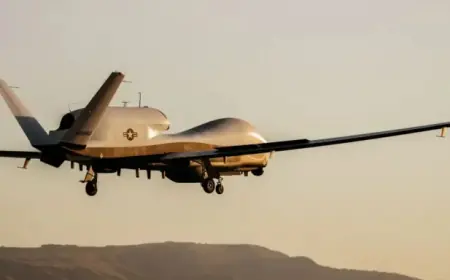
In the early hours of Saturday morning, U.S. and Israeli forces launched Operation Epic Fury against the regime in Iran. Supreme Leader Ali Khamenei was killed, according to the U.S. and Israeli governments. President Trump confirmed the death and announced that heavy strikes would continue, describing the operation as targeting Iran's military capabilities and paving the way for regime change.
Iran's Foreign Ministry spokesman initially told MSNOW that both Khamenei and Iranian President Masoud Pezeshkian were safe and sound, but Iranian state media later confirmed Khamenei's death. Trump told reporters that a diplomatic solution was still possible and described it as "much easier now than it was a day ago, obviously, because they are getting beat up badly."
Reza Pahlavi Calls the Moment a Historic Turning Point
Reza Pahlavi responded to the strikes swiftly and forcefully, declaring that the Islamic Republic had reached its end. Pahlavi stated that Khamenei "has been erased from the face of history" and called on Iran's military forces to avoid efforts to preserve what he described as a collapsing regime, instead urging them to help ensure Iran's stable transition to a free and prosperous future.
Pahlavi framed the U.S.-Israel strikes as a "humanitarian intervention" directed not at Iran itself but at its ruling clerical establishment. He urged the Iranian people to abandon regime support and called on security forces to defect, warning that those who remained loyal would "go down with Khamenei's sinking ship."
Who Is Reza Pahlavi — Iran's Exiled Crown Prince
Reza Pahlavi was born on October 31, 1960, and is the eldest son of Mohammad Reza Pahlavi, the last Shah of Iran, and Empress Farah Diba. He is widely described as one of the most prominent figures in the opposition to the Islamic Republic. He has lived in exile in the United States since the 1979 revolution that overthrew his father's government.
In public opinion polls conducted as recently as November 2025, around one-third of Iranians supported Pahlavi, while another third strongly opposed him — a level of support that exceeded any other Iranian opposition figure by a wide margin. Trump's special envoy Steve Witkoff confirmed in late February that he met with Pahlavi at Trump's direction, signaling a notable shift in White House engagement with the opposition leader.
MSNOW Coverage and Global Reaction to the Iran Crisis
MSNOW and major international networks have provided continuous live coverage of the strikes and their political fallout. Scenes of Iranians celebrating in the streets of Tehran emerged rapidly, with protesters praising Reza Pahlavi and calling for a transition to secular democracy. Renewed calls emerged for Pahlavi to return to Iran and head a transitional government, with hopes of holding a referendum to determine the country's political future.
Protests both for and against the military action erupted globally. In Washington, demonstrators waved Iranian flags and carried signs declaring Pahlavi the rightful leader of the country, with one sign reading "This is the final battle, Pahlavi will return." Counter-protests condemning the strikes also took place in London and other European cities.
Pahlavi Outlines His Transition Plan for a Post-Islamic Republic Iran
Reza Pahlavi has presented a detailed roadmap for Iran's future, emphasizing a phased democratic transition rather than a return to monarchy. He described the first phase as stabilizing the country and the economy, encouraging maximum military defections to prevent chaos comparable to post-Saddam Iraq, and holding those criminally responsible to account in courts.
Pahlavi stated that he and his team are prepared for Iran's first hundred days after the fall, for the transitional period, and for the establishment of a national and democratic government — "by the Iranian people and for the Iranian people." Trump, while not yet endorsing Pahlavi directly, acknowledged there are what he called "good candidates" to lead Iran going forward. The Trump war in Iran shows no signs of stopping, and Pahlavi's moment of return may be closer than at any point in his 47 years in exile.