

























How US–Israeli Strikes and a Threat to the Strait Of Hormuz Could Send Oil Markets into Turmoil

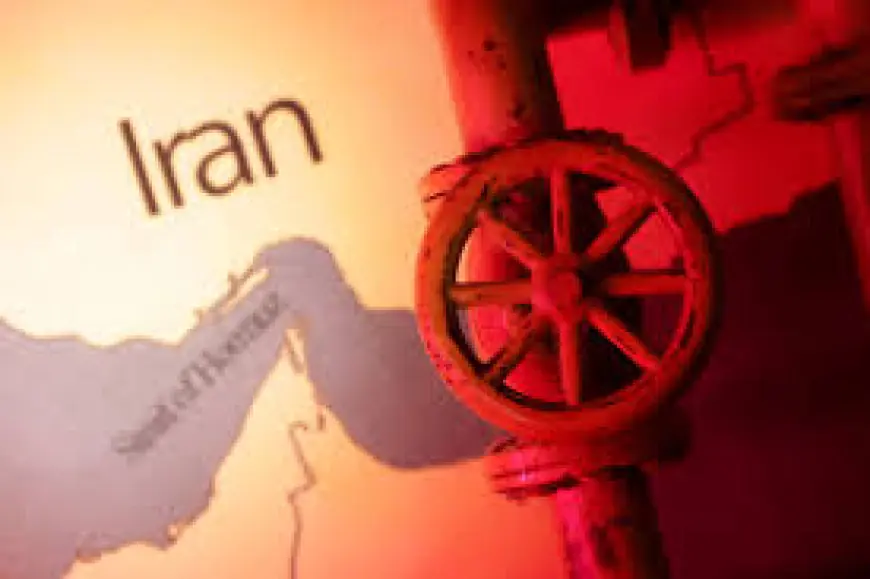
The US began "major combat operations" in Iran on Saturday morning, shortly after Israel launched a strike against Tehran, and within hours Iran’s Revolutionary Guards warned tankers in the narrow waterway that no ship would be allowed to pass the world’s most critical oil trade route, the Strait Of Hormuz. That development — and the apparent avoidance of the passage after an attack on a ship off Oman — has left at least 150 tankers carrying crude, liquified natural gas and oil products anchored in open waters across the Gulf, with analysts warning of immediate and severe implications for oil markets and developed economies.
Strait Of Hormuz: immediate disruption and scale
The strait of Hormuz is one of the most important arteries for global trade, with about 20% of all oil supplies and about 20% of seaborne gas tankers passing through it. The channel lies between Oman and Iran, linking the Gulf to the north with the Gulf of Oman to the south and the Arabian Sea beyond. It narrows to 20 miles (33km) at its tightest point, with shipping lanes just 2 miles (3km) wide in either direction. Ships appear to be avoiding the strait after an attack on a ship off Oman, and Iran has not formally confirmed a blockade of the waterway; the situation remains fluid and unclear in the provided context.
How many tankers are stalled and what’s at stake
At least 150 tankers carrying crude, liquified natural gas and oil products had dropped anchor in open waters across the Gulf past the strait on Sunday. If that halt continues, it could block up to 15 million barrels a day of crude oil from reaching destinations. That volume represents a major interruption to seaborne flows and is central to forecasts of significant price movement if transit remains constrained.
How oil prices could react
In a worst-case scenario experts say oil market prices could surge from about $67 a barrel on Friday night to $100 a barrel. Such a jump would increase pump prices and add immediate cost pressures across economies that have already been contending with inflation; the consequence for households would be a deeper cost of living crisis and for national economies a renewed drag on growth and productivity.
Why developed economies would feel the impact
Effective closure of the strait of Hormuz could spell trouble for many developed economies. Even nations that import a relatively small share of Iran’s crude would face higher energy costs through global markets. The context notes that this would spell trouble for many developed economies, including the US, which have struggled to shrug off the impact of inflation on growth and productivity; households in those economies are already facing a cost of living crisis.
Iran’s hydrocarbon footprint and geopolitical leverage
Iran is home to the world’s fourth largest proven oil reserves, holding up to 170 billion barrels of oil, or about 9% of all global crude, behind only Venezuela, Saudi Arabia and Canada. It is the fourth largest oil producer in Opec and is one of the largest crude exporters in the world. Iran also holds the world’s second largest proven gas reserves, accounting for about one-sixth of global gas. Decades of political unrest, war and sanctions throttled its crude production from a peak in 1974 of about 6 million barrels a day to about 3. 5 million barrels, but in recent months its output has reached historic highs despite US sanctions and Israeli bombardments, credited in the context to close ties with China; Beijing imports about 90% of Iran’s crude, which is subject to international sanctions.
Expert views and political signals
Bjarne Schieldrop, the chief commodities analyst at SEB, characterized the situation as having become the biggest bluff in history that has gone horribly wrong, and said it would now be difficult for Trump to back down and withdraw gunboats and fighter jets without losing face. Jorge León, head of geopolitical analysis at Rystad Energy, emphasized that Iran’s geopolitical weight is rooted in its strategic location, its influence over regional security dynamics and its capacity to disrupt critical energy infrastructure and transit routes.
What happens next — risks and unknowns
Iran has not formally confirmed a blockade, and the longevity and extent of any effective closure remain unclear in the provided context. If the halt to traffic continues, the blockage of up to 15 million barrels a day would pressure prices and global supply chains. This location makes it a crucial choke point for oil deliveries from Opec countries to cus — unclear in the provided context. Policymakers, traders and households face heightened uncertainty while anchored vessels and disrupted transit routes create an immediate potential for market volatility.