

























Burger King Whopper changes roll out nationwide with new bun, mayo, and packaging

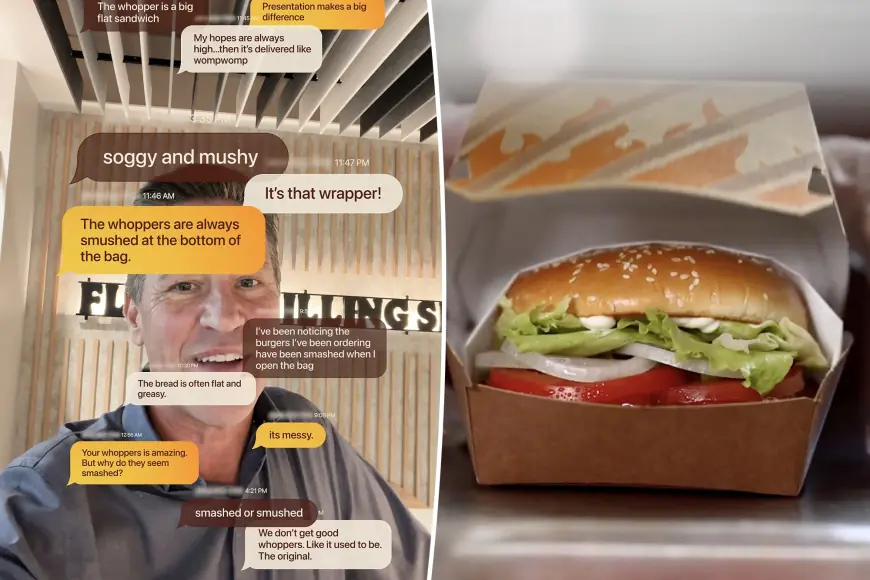
Burger King is making Whopper changes for the first time in nearly a decade, shifting how the signature burger is built and delivered without altering the flame-grilled patty. The updates, announced Feb. 26, 2026 (ET) and now showing up across U.S. restaurants, target a familiar complaint in the delivery era: a classic burger that can arrive smashed, soggy, or sloppy.
The company’s message is clear: this is an “elevate, not reinvent” refresh—aimed at improving consistency, presentation, and bite-to-bite quality while keeping the Whopper’s core identity intact.
What’s actually changing in the Whopper
The headline tweaks focus on three areas: packaging, bun, and mayonnaise—plus tighter standards around produce prep.
The Whopper is moving from its traditional paper wrap into a box. The goal is structural: reduce squishing in bags, keep toppings in place, and make the burger look more like it did at the counter.
On the food side, Burger King is upgrading the sesame-seed bun to a more premium-style version. The company has positioned this as a quality-and-texture improvement—intended to hold up better to heat and moisture, and to feel sturdier in hand.
The third big change is the mayonnaise. Burger King says it has improved the mayo for a richer, better-tasting profile. While mayo can sound like a minor swap, it’s one of the Whopper’s most noticeable flavor carriers, especially for customers who order it without ketchup or with extra sauce.
Finally, the company is emphasizing freshly cut onions and tomatoes, along with crisp lettuce and pickles, as part of the “stacked tall” build. The ingredients remain familiar, but the operational focus is on fresher prep and cleaner assembly.
What’s staying the same
For customers worried about a full recipe overhaul, the most important part appears untouched: the Whopper still centers on the same quarter-pound, flame-grilled beef patty.
The standard set of toppings remains the same—lettuce, tomato, onion, pickles, ketchup, and mayo—so the expected flavor profile should still read as “classic Whopper,” just with fewer quality swings from visit to visit.
That matters because the Whopper’s brand equity is rooted in consistency. Fast-food regulars tend to accept small refinements, but they react strongly when an icon tastes “different” in a way that feels like cost-cutting. This refresh is framed as the opposite: a quality lift meant to be noticeable without being disruptive.
Why this is happening now
The timing reflects two pressures colliding: customers have become more selective about what’s “worth it” in fast food, and delivery has raised the stakes for packaging and build quality.
A wrapped burger can be fine for dine-in or immediate carryout. But once it sits in a sealed bag, steam softens the bun, condenses on lettuce, and turns the whole sandwich into a sliding stack. A box won’t solve every delivery problem, but it can reduce compression and help preserve the intended shape and texture.
The broader industry context is also shifting. After years of value-focused marketing, major chains are trying to defend core items by upgrading ingredients and execution—especially when price points have risen and customers expect better for the money.
Price questions and what’s known so far
One immediate question is whether improved ingredients and new packaging will lead to higher Whopper prices.
Burger King has signaled that it does not want the refresh to automatically translate into price hikes, and it has indicated franchisees were encouraged not to raise prices because of the changes. That said, pricing can vary by location, and any long-term impact will likely show up unevenly—depending on regional costs and promotional strategies.
For now, customers should expect the “new Whopper” experience to appear without a separate menu label in many restaurants. In other words, you may not see a big announcement at the counter—your burger may simply arrive in a box with a slightly different bun and sauce profile.
Key takeaways for customers
-
The Whopper’s beef patty is unchanged; the refresh focuses on bun, mayo, produce prep, and packaging.
-
The biggest visible difference is the switch from a wrapper to a box.
-
The upgrades aim to improve consistency and delivery performance rather than introduce a new flavor direction.
-
Pricing is not expected to change solely because of the refresh, but local variation is possible.
What to watch next
Over the coming weeks, the most telling signals will be operational: whether stores execute the “freshly cut” produce standard consistently, and whether the boxed packaging becomes the default across markets without supply hiccups.
If customer response is strong—and if the changes reduce complaints about messy delivery—the Whopper refresh could become a template for how Burger King updates other legacy items: small, targeted upgrades that protect familiarity while improving the parts people notice most.