























How New Conflict Creates Significant Instability for Poland and Europe

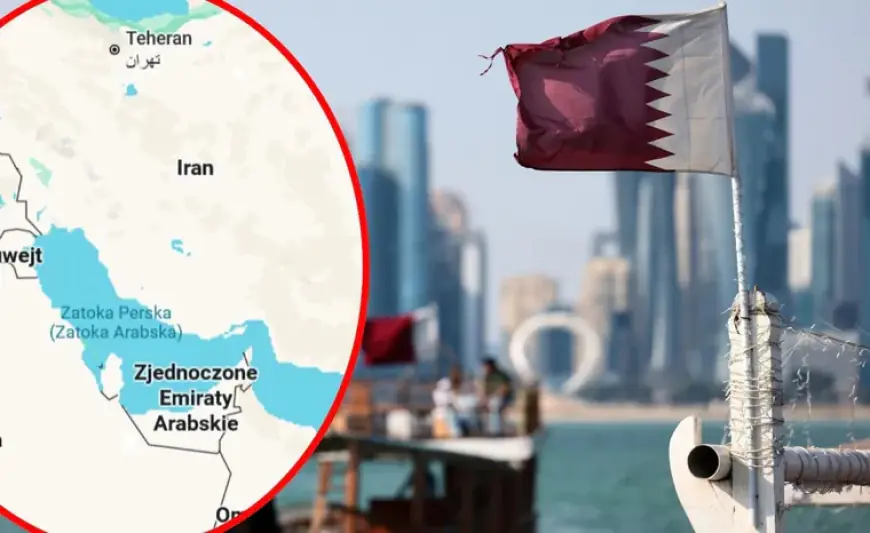
Recent developments in the Middle East, particularly the ongoing tensions involving the U.S. and Israel against Iran, are creating significant instability for Poland and Europe. As these conflicts escalate, they pose serious challenges for energy security in the region.
Impact on Energy Supply and Security
Poland imports a portion of its liquefied natural gas (LNG) from Qatar. This situation becomes precarious as Qatar is opposed to Iran and hosts a U.S. military base. Any intensified conflict in the region could disrupt energy supplies, potentially leading to a crisis in Europe.
The Stakes of Regional Conflict
- Increased military activities in the Persian Gulf.
- Risk of attacks on civilian vessels by Iranian-backed forces.
- Possible disruption of LNG shipments from Qatar to Europe.
Zbigniew Parafianowicz, a journalist, suggests that we might witness a shift toward guerrilla warfare in the Gulf. He draws parallels with tactics used by the Taliban during the U.S. presence in Afghanistan. Such strategies could soon target civilian ships, tankers, and gas carriers.
Consequences for Poland and Europe
Should these conflicts escalate, the repercussions will reach far beyond the immediate area. Poland’s reliance on LNG imports makes it particularly vulnerable to disruptions caused by the ongoing hostilities.
In conclusion, the escalating conflict between the U.S., Israel, and Iran is creating significant instability. The looming threat to energy supplies poses challenges not only for Poland but also for the broader European region. Vigilance and strategic planning will be essential to mitigate the potential risks associated with these developments.