























Donald Trump’s Nicknames and Their Rhetorical Impact

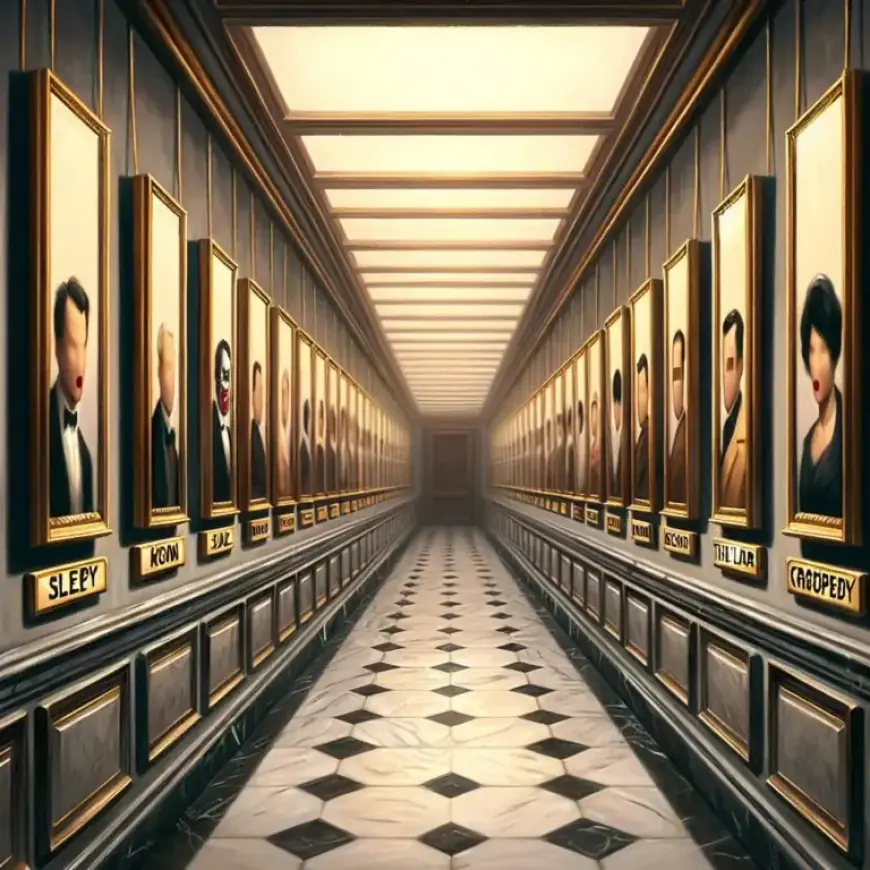
Donald Trump’s use of nicknames for his political opponents serves as a powerful rhetorical tool. His approach aims to simplify complex political identities while ridiculing rivals. This strategy has transformed political discourse, making opponents more recognizable and caricatured.
Understanding Trump’s Nicknames
Trump incorporates a variety of catchphrases to refer to opponents. Some notable examples include:
- Sleepy Joe (referring to Joe Biden)
- Crooked Hillary (referring to Hillary Clinton)
- Pocahontas (referring to Elizabeth Warren)
- Lying Ted (referring to Ted Cruz)
- Little Marco (referring to Marco Rubio)
These names are not merely insults; they are a consistent part of Trump’s communication strategy. By simplifying the identities of his rivals, he transforms complex political positions into memorable labels.
Phonetic Appeal and Memory
The construction of these nicknames often relies on phonetics. Elements such as alliteration and assonance contribute to their stickiness in public discourse. This repetition helps solidify their presence in the collective memory regarding the individuals in question.
According to linguistic research, these streamlined names function similarly to Homeric epithets. Just as Achilles and Odysseus are remembered through vivid descriptors, modern political figures are often reduced to catchy phrases. This technique not only aids recall but creates a simplified image that can overshadow more nuanced views.
Symbolic and Political Effects
The impact of Trump’s nicknames extends beyond mere memory. These monikers contribute to the dehumanization of opponents, casting them in a negative light while reinforcing a simplistic narrative for Trump’s supporters. This tactic mobilizes his base around easily digestible stories that favor his political agenda.
In public discourse, the repeated use of such names can polarize opinions and restrict rivals’ capabilities to define their own identities. The dual goal is to discredit the opponent while simultaneously asserting the speaker’s dominance in the conversation.
Conclusion
Trump’s nicknames like “Sleepy Joe” and “Crooked Hillary” exemplify a strategic method of political communication. By leveraging memorable sound constructs and targeted repetition, he shapes public perception and reassigns political identities. Understanding this approach provides insights into the interplay between language and political power.