
























What the life sentence for Daniel Serafini changes — and who feels it first

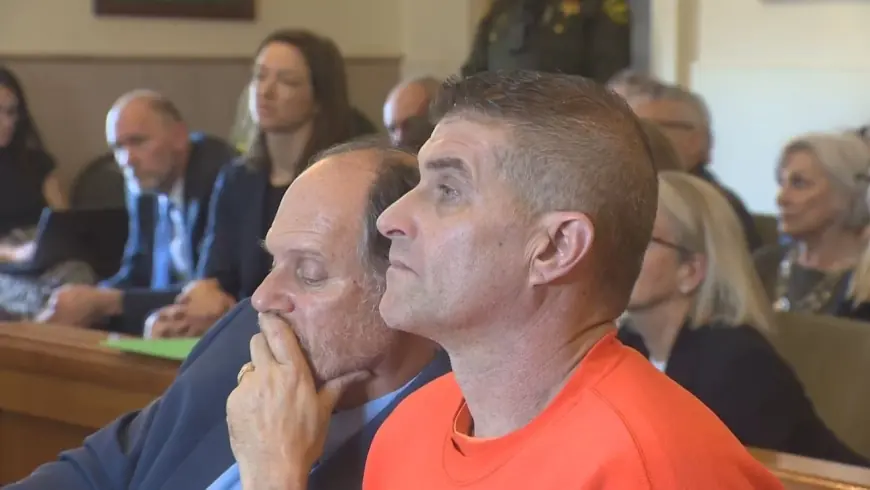
The sentence handed down Friday alters the legal and personal landscape around daniel serafini: he will spend the remainder of his life in prison without the possibility of parole, removing the possibility of release and shifting the case into a long-term prison reality for victims’ relatives and local officials. That change arrives 193 days after a jury found him guilty of multiple felonies tied to the June 2021 Lake Tahoe shootings.
Immediate consequences and the new legal status
Because Serafini is now serving life without parole, he will no longer face the possibility of parole hearings. The judge rejected claims that Serafini was denied due process and found that he received vigorous advocacy before, during and after trial; the court also denied his request for a new trial tied to alleged poor legal advice. The judge urged Serafini to use prison time for reflection and personal growth while criticizing his sentencing remarks as deflection rather than remorse: "What I heard today was not reflection, it was deflection. " Victim impact statements called the crime "pure hate, " saying it rocked the community and ruined a family.
Daniel Serafini: convictions, charges and the court’s factual findings
The jury verdict, returned 193 days before sentencing, found Serafini guilty of first-degree murder, lying in wait and first-degree burglary in the killing of 70-year-old Robert Gary Spohr. The jury also convicted him of attempted murder in the shooting of 68-year-old Wendy Wood; Wood survived the shooting but later died by suicide. Prosecutors presented a case that Serafini broke into the Homewood residence in June 2021 and waited for the couple to return from a boating outing before opening fire.
Trial testimony, arrests and competing narratives
During the six-week trial, jurors heard testimony about heated disputes over financial obligations and communications that preceded the attack. Serafini maintained his innocence at sentencing, saying he had been out partying with his wife the night of the shooting and describing himself as a "broken, imperfect man that makes mistakes, " while not accepting responsibility for the killings. Family members pushed a starkly different portrayal: Adrienne Spohr called him a monster with "zero reservations about taking lives to benefit himself, " and urged the court to impose the maximum sentence, including a period of solitary confinement out of fear he might conspire with other prisoners.
Serafini and Samantha Scott were arrested two years after the incident; Scott later testified that she gave Serafini a ride on the day of the shooting believing it was a drug deal, and that Serafini later admitted he had shot his in-laws.
Financial allegations and family accusations in court
Prosecutors accused Serafini of targeting his in-laws to access a multimillion-dollar inheritance. Family allegations presented at sentencing said Serafini and Erin had taken millions from the victims over the years, including more than a million dollars for a horse estate and smaller installments for nanny services and to pay off credit cards. Adrienne Spohr also asserted that Serafini continued to seek her mother’s money after the attempted murder and alleged he cashed a $200, 000 check from a victim’s account just weeks after holding a gun to her head.
Career background and public profile cited at sentencing
Courtroom material referenced Serafini’s baseball career: he was a former first-round draft pick who spent seven years in the major leagues with the Minnesota Twins, Chicago Cubs, Pittsburgh Pirates, Cincinnati Reds, San Diego Padres and Colorado Rockies. His busiest season was noted as 1998, when he went 7-4 with a 6. 48 ERA for the Twins. He also pitched professionally in Japan, Taiwan and Mexico.
- Key points: Serafini received life without parole; jury had found him guilty of murder, lying in wait and burglary and convicted him of attempted murder.
- Who is affected most: the Spohr–Wood family and the Lake Tahoe community described in victim impact statements; courtroom dynamics also shift any post-conviction strategy.
- Next legal signals to watch: unclear in the provided context whether Serafini will file additional appeals or new-trial motions beyond the request already rejected by the sentencing judge.
- Community consequence: the judge called the case a tragedy for everyone involved and for the broader community, reflecting the long shadow this will cast locally.
Here’s the part that matters for the families and the court record: the sentence finalizes the trial jury’s findings into an irreversible punishment under current sentencing terms — life without parole — and the judge has already addressed and rejected the principal procedural challenges raised by Serafini.
Micro timeline:
- June 2021: Serafini allegedly broke into the Homewood residence and opened fire after the couple returned from a boating outing.
- Two years after the incident: Serafini and Samantha Scott were arrested.
- July (year unclear in the provided context): a jury found Serafini guilty; sentencing followed 193 days later.
What's easy to miss is how many distinct threads—criminal charges, family financial claims, testimonial conflicts and a high-profile past career—converged in one trial and now live on differently because of this sentence. The real question now is whether any new legal filings will alter that conviction, but details on further appeals are unclear in the provided context.
What's clear from the courtroom record supplied: daniel serafini has been given a sentence that will keep him incarcerated for life without the possibility of parole, and family members and the community will continue to feel the repercussions of the killings and the allegations laid bare during the trial.