
























Pakistan Afghanistan War Escalates After Cross-Border Strikes and “Open War” Warning

Pakistan and Afghanistan edged closer to a wider conflict after days of intensifying cross-border attacks culminated in Pakistani air and artillery strikes deeper inside Afghanistan, followed by rapid retaliation along multiple sections of the frontier. The escalation peaked on Saturday, Feb. 28, 2026 (ET), when senior Pakistani officials used unusually stark language to describe the fighting, while Afghan authorities warned the confrontation could spiral if strikes continue.
The flare-up has pushed the Pakistan Afghanistan relationship into its most volatile phase in years, disrupting border communities, raising civilian-safety fears, and triggering urgent international calls for restraint.
Pakistan Afghanistan: What Sparked the Latest Cross-Border Fighting
The latest round of Pakistan Afghanistan clashes is rooted in a long-running dispute over militancy, border control, and sovereignty. Pakistan says armed groups that target Pakistani security forces operate from Afghan territory and cross back and forth through rugged border areas. Afghanistan rejects the accusation and says Pakistan is using the militancy claim to justify strikes on Afghan soil.
This week’s escalation followed an exchange of attacks that both sides describe as retaliation. Pakistan says its forces came under cross-border fire and responded with strikes on military positions. Afghanistan says Pakistani strikes hit locations inside Afghanistan first, prompting Afghan forces to respond across the border. Each side is presenting the fighting as defensive, leaving little room for face-saving compromise in the short term.
Cross-Border Strikes Hit Deeper Targets as Border Areas Burn
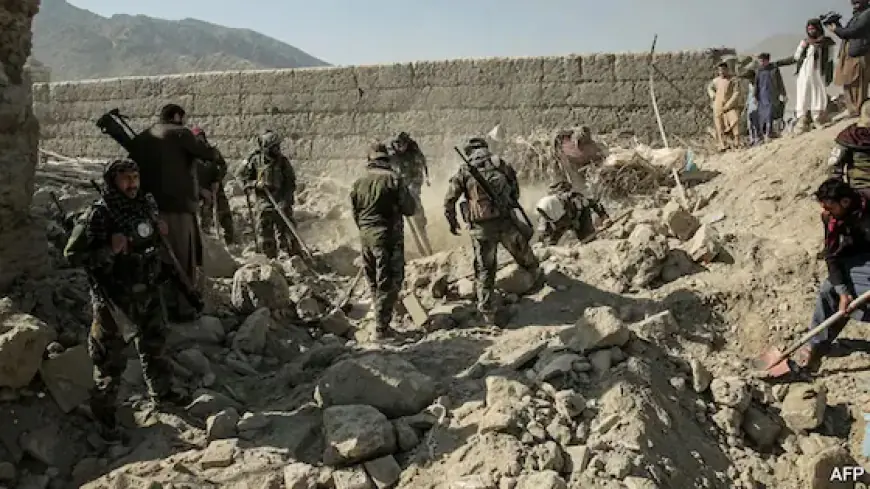
The conflict quickly moved beyond sporadic border skirmishes into deeper strikes and broader target sets. Pakistani air power and artillery hit multiple sites inside Afghanistan, including areas tied to Afghan security infrastructure. Afghan authorities reported casualties and damage, including claims of civilian harm, while Pakistan described the operation as focused on military positions.
Along the border, firefights and shelling have affected key crossing regions that serve as lifelines for trade and travel. Residents in border districts have reported closures, disrupted supply lines, and growing anxiety over the possibility of sustained bombardment.
A central pressure point is the risk that “cross-border” action becomes routine rather than exceptional. Even limited strikes can produce rapid escalation when both sides feel compelled to respond immediately, particularly in crowded border corridors where civilian and military infrastructure sit close together.
Pakistan Afghanistan War: Casualty Claims Diverge and Civilians Face Growing Risk
The Pakistan Afghanistan war narrative is now complicated by sharply conflicting casualty figures. Pakistan has claimed heavy Afghan losses from strikes and border engagements, while Afghanistan has claimed significant Pakistani losses and rejected Pakistan’s tolls. The numbers remain contested, and the information environment is clouded by the speed of events and restricted access in some areas.
What is clearer is the rising risk to civilians. Cross-border artillery, airstrikes, and ground clashes create danger for families living in frontier districts, as well as for refugees and displaced people already concentrated near crossings. Markets, schools, and clinics in sensitive areas can shut down quickly when shelling begins, and nighttime strikes can trigger panic evacuations with limited safe routes.
The humanitarian risk increases if fighting expands to more crossings or spreads to provincial centers, where population density and infrastructure exposure are far higher than in remote border zones.
Afghanistan and Pakistan Afghans: Diplomacy Intensifies Under Pressure
As the fighting grows, diplomatic pressure is building to prevent a broader Pakistan Afghanistan war from solidifying into a prolonged campaign. Multiple regional and international actors are pressing for de-escalation, urging both sides to restore communication channels and agree on mechanisms that prevent incidents from triggering immediate retaliation.
Afghanistan’s leadership has signaled openness to talks, framing dialogue as a way to address security concerns without continued strikes. Pakistan’s leadership, meanwhile, has emphasized that it will continue operations if it believes threats are emanating from across the border.
The most immediate diplomatic goal is a practical pause: reopening contact lines, limiting air operations, and creating verification steps for cross-border incidents. Without those guardrails, the confrontation risks becoming self-sustaining, driven by retaliation cycles rather than strategic planning.
What Comes Next: Border Closures, Security Calculations, and Regional Spillover
The next 48 hours will be pivotal. If strikes continue at the current tempo, both sides may harden positions and expand deployments along the frontier. If a pause takes hold, negotiators may try to lock in a short-term arrangement to reduce fire across crossings and establish joint crisis procedures.
Below is a simplified timeline of the latest escalation, using Eastern Time:
| Key Moment (ET) | Development | Why It Matters |
|---|---|---|
| Feb. 26, 2026 | Cross-border exchanges intensify | Sets off a retaliation cycle |
| Feb. 27, 2026 | Deeper strikes and wider targeting | Raises stakes beyond frontier skirmishes |
| Feb. 28, 2026 | “Open war” language and continued attacks | Signals elevated political commitment and risk |
For now, the defining reality is momentum: Pakistan Afghanistan tensions are rising faster than diplomatic off-ramps are forming. With both sides presenting their actions as necessary defense, the danger is that a series of cross-border responses becomes the foundation of a longer conflict—one that would destabilize the region, strain border communities, and widen insecurity far beyond Pakistan Afghanistan frontier districts.