























Shane Van Gisbergen’s COTA Playbook: What Road-Racing Teams and Fans Need to Know Before the Short-Course Cup Weekend

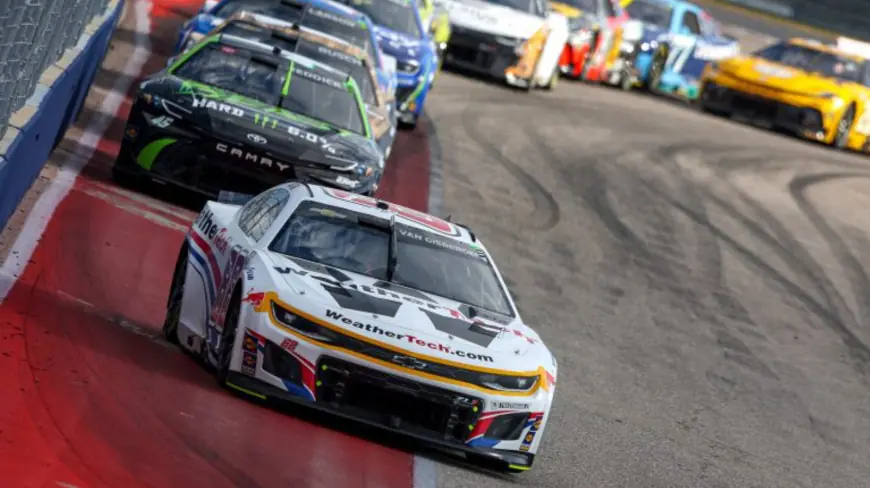
Why this matters now: For road-course teams, crew chiefs and fans parsing strategy, shane van gisbergen’s methods at Circuit of the Americas change the baseline assumptions about where grip lives, how to manage stages and how pace will compress on the short 2. 4-mile layout. His recent media comments about execution, points strategy and a grip-first driving style make him both a template and a tactical puzzle for competitors over a double-duty weekend.
What Shane Van Gisbergen’s approach means for teams and drivers
Teams and drivers should treat COTA’s short configuration as a condensed chessboard: gaps between cars are tighter, mistakes are costlier, and qualifying position matters more than at many other tracks. Shane Van Gisbergen has emphasized prioritizing rear grip and managing tires over textbook apex-hunting; that shifts where pit strategy and restart execution will matter most for teams targeting stage points or race-winning position.
It’s easy to overlook, but his willingness to run four wheels off the conventional racing surface to find grip rewrites entry/exit trade-offs. That matters for car setup (favoring rear stability) and for pit calls that aim to preserve grip over a stint rather than simply chase fresh rubber for short-term gain.
Embedded event details and tactical signals from COTA
Circuit changes and recent history are shaping how the weekend will play out. NASCAR has used a short 2. 4-mile COTA layout; the series began running COTA in 2021 and the shortened layout was in place in 2025. Shane Van Gisbergen has run here several times without securing a win: mechanical and overheating setbacks have interrupted his bids, and a sixth-place finish matched his 2025 qualifying slot after leading earlier in the race. For 2026 he’s preparing to run both Cup and a support series car during this weekend’s double-duty schedule, driving the No. 97 and the No. 9 Chevrolets.
- Track specifics: the short 2. 4-mile layout compresses laps and increases the frequency of traffic and restarts.
- Driving emphasis: seeking rear grip even off the standard surface, and a focus on tire preservation over outright apex precision.
- Race-day dynamics: closer gaps between cars make qualifying and restart performance crucial.
Here's the part that matters—strategy signals to monitor during the weekend: pit timing choices that prioritize stage points versus track position, how many times competitors push track limits before penalties appear, and whether restarts favor cars set up for short-burst speed or for tire life across a stint.
What’s easy to miss is the way the changed Chase/points structure alters decisions; with stage points more valuable this season, teams may flip priorities mid-race in ways that benefit a driver already adept at managing tires and finding unconventional grip lines.
- 2021: NASCAR began racing at the Texas road course.
- 2024: Shane Van Gisbergen encountered a broken transmission while running at COTA with Kaulig.
- 2025: The series used a shortened 2. 4-mile layout; Van Gisbergen finished sixth after leading in the third stage.
- 2026: Van Gisbergen is scheduled to run both top-level and support-series entries during the COTA weekend.
- Grip hunting: expect some drivers to intentionally run off the painted surface to find rear grip—setup and tire management must support that.
- Qualifying premium: starting position carries extra weight because lap times are compressed and overtaking windows are narrower.
- Penalty risk: NASCAR’s track-limits leniency has limits—too many excursions will draw penalties and swing outcomes.
- Stage vs. race trade-offs: the new points dynamic may prompt earlier pit calls, altering the traditional strategy balance at COTA.
- Double-duty endurance: running two cars across the weekend increases the physical and setup demands on any driver attempting both entries.
The real question now is how competitors adapt: mirror the grip-first lines, force him into traffic-heavy strategy, or pivot to aggressive short-term speed and hope tire wear exposes a weakness. Expect teams to watch restarts and pit timing closely for the first clear signals of who holds the tactical edge.
Writer’s aside: The bigger signal here is how a single driver’s detailed approach to grip and tire life can ripple through crew strategy, from qualifying trim to late-race pit calls—small changes in setup philosophy can flip a short-course result quickly.