
























Bbc News verification roundup: Why confusion over Pakistan strikes, a downed jet claim and a 247-day carrier deployment matters

Why this matters now: Multiple threads — battlefield claims in Afghanistan, fast-spreading AI images, and operational questions about the world’s largest carrier — are colliding in real time, creating fertile ground for misleading content and hurried conclusions. The verification feed is juggling wartime reporting, domestic fact-checking after a by-election, and a prolonged naval deployment; readers relying on news updates need separation between confirmed facts, debunked material, and developing claims.
News verification focus: context first, then the evidence
Here’s the part that matters: teams are prioritizing context over single-post viral items. The verification effort uses open-source intelligence, satellite imagery, fact-checking and data analysis to dissect material that appears after violent incidents and political events. The work has been split into three parts to handle simultaneous threads and is posted throughout the day on the live feed. Get in touch with the team by following the link on the feed if you have material to check.
What verification has confirmed and debunked
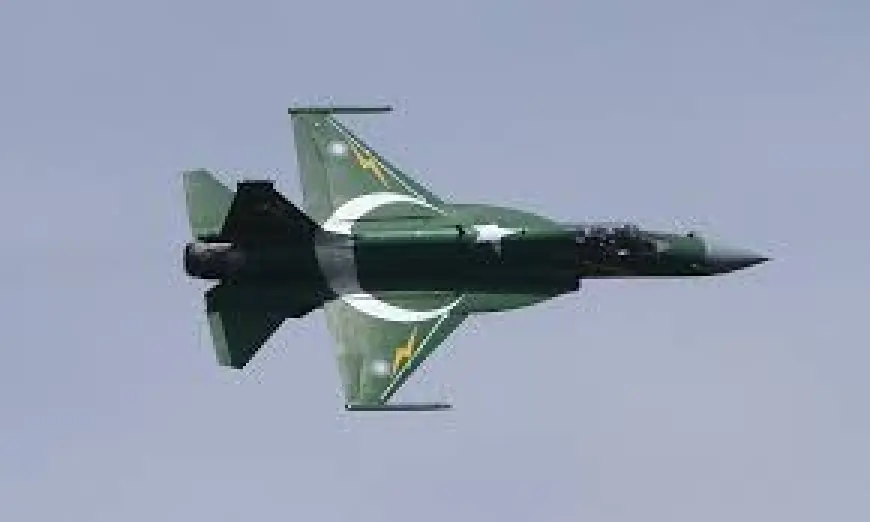
Verification teams have debunked AI-generated images and older footage that were shared as proof of downed aircraft after overnight strikes by Pakistan on targets in Afghanistan. Those misleading images and clips circulated alongside genuine reports of strikes.
Separately, the verification feed tracked a prolonged naval deployment: the carrier USS Gerald R Ford left Greece yesterday and is expected to arrive near Israel, and its deployment now extends to 247 days. Reports about plumbing problems on the carrier prompted scrutiny; old videos showing overflowing toilets circulated at the same time and were found to be unrelated or miscaptioned. The US Navy issued a statement on Thursday addressing concerns about shipboard systems and sanitation. The commanding officer, Captain David Skarosi, emphasized that on a ship of that size occasional clogs happen and that many are caused by inappropriate items being flushed; he said plumbing issues are resolved quickly with no impact to operational readiness. Admiral Daryl Caudle addressed low-morale reports by noting that extended deployments demand endurance and require sailors to miss births, anniversaries and everyday moments at home.
Developing: claims of a downed Pakistani jet in Jalalabad
A separate headline within recent coverage states that the Afghan Taliban shot down a Pakistani jet in Jalalabad and captured the pilot alive. This specific claim is presented in the incoming feed but remains developing and unclear in the provided context; verification teams flag it for corroboration before treating it as confirmed.
Domestic fact‑checking thread after a by-election
Here in the UK the team has been examining post–by-election claims. After the Green Party’s by-election win, fact-checkers dug into leader Zack Polanski’s claims about wealth taxes in Switzerland. An earlier mention used the spelling "Zak Polanski"; the spelling is unclear in the provided context. The team also checked Labour’s claim that Nigel Farage was responsible for the £350m bus claim during the Brexit referendum campaign, following the Gorton and Denton by-election. The verification feed plans to return first thing on Monday morning with more follow-ups.
- Open verification methods used: open-source intelligence, satellite imagery, fact-checking, and data analysis.
- The live feed posts work throughout the day and invites public submissions a link on the feed.
- Verification teams have identified AI-generated images and old footage being misused around Pakistan strikes in Afghanistan.
- The USS Gerald R Ford left Greece yesterday, is expected near Israel, and its deployment is listed as 247 days; plumbing-related videos were debunked as mismatched.
If you’re wondering why this keeps coming up: conflict zones and prolonged military deployments both generate a high volume of recycled or automated visual material that can be relabeled or deepfaked, which makes rapid verification essential.
What’s easy to miss is that the verification effort also included outreach: the team reached Glasgow this week and met nearly 200 teenagers to discuss disinformation, AI and verification techniques — an attempt to build verification literacy at the community level.
Writer’s aside: the range of topics — from battlefield imagery to domestic electoral claims to a long naval deployment — shows how verification units must pivot quickly across subject matter while holding to consistent standards. That juggling explains why some items are marked confirmed, others debunked, and some still developing.
The real question now is how multiple verification streams will be prioritized when fresh claims emerge from conflict zones and domestic politics at the same time; evidence of corroboration will determine which threads move from developing to confirmed.