

























Oil Markets Tilt Toward Volatility as Strait Of Hormuz Uncertainty Pushes Benchmarks Near $70 and U.S. Pump Prices Could Top $3

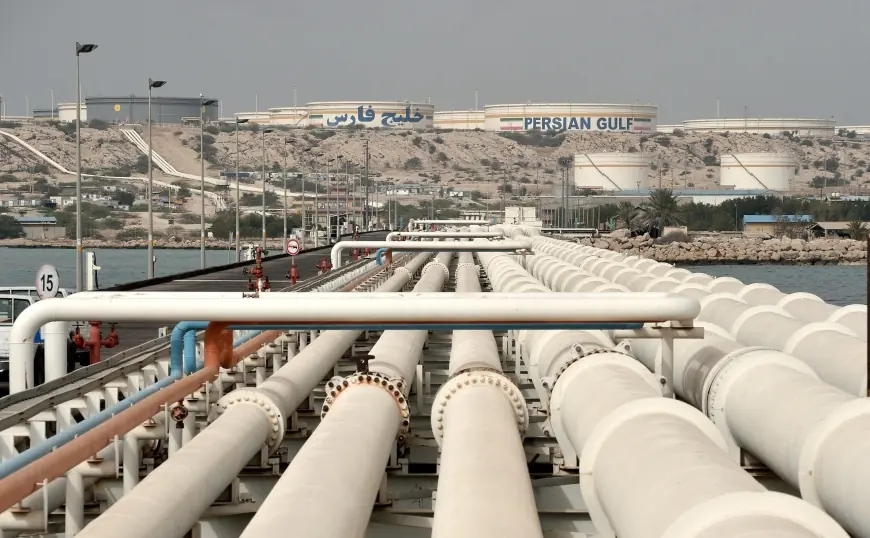
What changes now is market momentum: the United States-led airstrikes on Iran and widening shipping disruptions around the Strait Of Hormuz are tilting oil prices higher, with an analyst warning U. S. pump prices could climb above a national average of $3 as soon as next week. Traders face a tighter risk premium, and downstream consumers may see a faster-than-expected seasonal increase at the pump.
Market pressure from Strait Of Hormuz uncertainty is already shaping price expectations
Patrick de Haan, head of petroleum analysis at GasBuddy, posted on Substack that oil could jump 5 to 10%, pushing the benchmark above $70 per barrel after it closed Friday at about $65. De Haan flagged the uncertainty around the Strait Of Hormuz as the biggest concern for oil prices and warned that traders will steer clear of oil if disruptions at the waterway continue. Dozens of oil tankers were diverted on Saturday amid unverified claims the strait was closed, and sustained interruptions could add a larger premium to markets.
What unfolded and how analysts are connecting the dots
Headlines noted strikes by the U. S. and Israel on Iran, and coverage described the operations as United States-led airstrikes against Iran. De Haan said those actions, plus possible damage to Iranian export infrastructure and the risk of a wider regional reach of the conflict, could further push costs up. He also suggested the current jump would accelerate a seasonal climb in U. S. gasoline prices.
- Oil benchmark moved from about $65 closing on Friday toward levels above $70 in analyst estimates.
- Projected oil rise of roughly 5–10% would likely lift U. S. pump prices above a $3 national average, potentially as soon as next week.
- Dozens of tankers diverted from the Strait Of Hormuz on Saturday amid claims the passage was closed; the claim remains unverified.
- Damage to Iranian export infrastructure and a broader regional escalation are cited as additional upside risks to prices.
How the math works for drivers and the near-term timeline
Gas prices have been climbing in the U. S. since January because of a seasonal shift; the national average hit $2. 98 on Thursday. De Haan noted the national average could reach $3 per gallon on Monday for the first time this year if oil follows the sketched 5–10% rise. Prices often rise ahead of warmer months when retailers begin switching to a summer-blend gasoline that is more expensive but required by the Environmental Protection Agency to reduce harmful emissions; that transition is already adding structural upward pressure.
Broader stakes: production links, export flows and recession risk
About 90% of Iran’s oil exports head to China, and roughly 20% of the world’s oil moves through the Strait Of Hormuz, which connects the Persian Gulf with the Gulf of Oman and the Arabian Sea. Samantha Gross, director of the Energy Security and Climate Initiative at the Brookings Institute, highlighted that Iran is a larger oil producer than Venezuela and noted the country’s strategic position on a major chokepoint, meaning disruption could have sizable market effects beyond the United States. Bob McNally, founder and president of Rapidan Energy, warned that a prolonged closure of the strait would raise the risk of a global recession.
Unlike the U. S. military action against Venezuela earlier this year, which had only a small effect on energy costs, analysts say the Iran-related disruptions carry the potential for larger and more persistent market impacts. About 90% of Iran’s exports going to a single destination and the chokepoint’s centrality amplify that vulnerability.
Here’s the part that matters: if tanker rerouting and infrastructure damage continue, the market premium could linger and push retail fuel higher than seasonal norms within days. The real question now is whether disruptions remain episodic or escalate into sustained constraints on supply.
It’s easy to overlook, but the current shock is being compared directly to last year’s spike in 2022—analysts say the scale could still be smaller, though the directional risk is clear.
Despite a recent State of the Union claim that pump prices were below $2. 30 in the majority of states, AAA data show there were no states with prices under that mark on Saturday. That contrast underlines how quickly public messaging and on-the-ground prices can diverge in a volatile energy market.
Writer’s aside: market participants will price in risk rapidly; if the Strait Of Hormuz signal intensifies, expect faster flows of capital into protective hedges and wider price swings than usual. Recent statements from analysts and energy executives make clear this episode could reshape near-term supply pricing even if it proves temporary.
Near-term indicators that would confirm a lasting shift include sustained tanker diversions, confirmed damage to export facilities, or persistent oil benchmark gains well beyond the 5–10% band laid out by analysts.