
























Bbc News: Why verification teams and frontline communities are bearing the cost of Afghan strikes, a downed jet claim and online misinformation

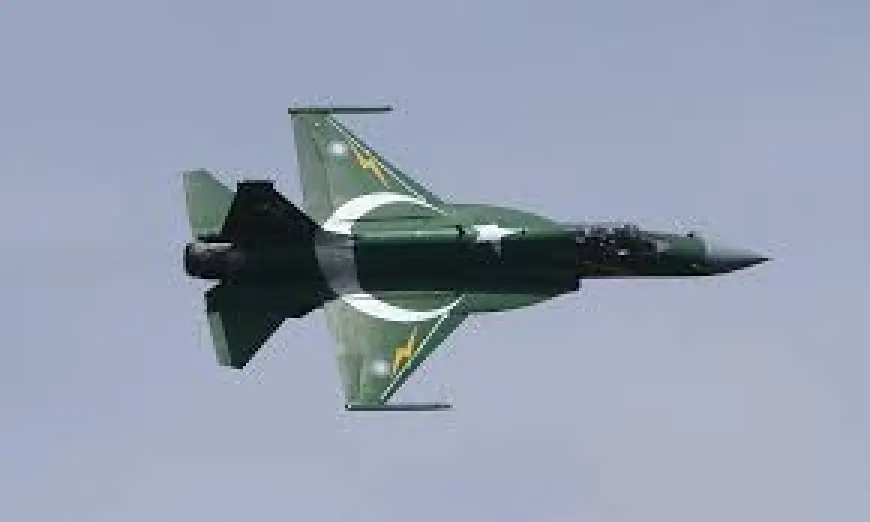
Intro — who feels the impact first: news coverage shows verification teams, military crews and local communities are being pulled into a cascade of claims — from AI-generated images and old footage that allege downed aircraft after Pakistan conducted overnight strikes on targets in Afghanistan, to a separate claim that an Afghan group shot down a Pakistani jet and captured its pilot alive in Jalalabad. The pace of these claims is forcing faster verification and wider public attention than routine fact-checking work usually demands.
Immediate impact: strained verification resources and real-world consequences
Here’s the part that matters: fact-checkers must triage multiple, high-stakes narratives at once. The flow includes imagery that looks convincing but is AI-generated or recycled footage, direct battlefield claims that could affect diplomatic and military responses, and domestic election-related assertions that require different expertise. The pressure is on teams to separate misleading visuals from verifiable events while communities and military units contend with the fallout of those claims.
news: the core claims and what was examined
Work focused on a set of overlapping items. Teams debunked AI-generated images and old video being shared as evidence of downed aircraft following overnight strikes by Pakistan on targets in Afghanistan. Separate headlines claim the Afghan Taliban shot down a Pakistani jet in Jalalabad and captured the pilot alive; similar phrasing appears that a Pakistani military jet was downed in Jalalabad with the pilot captured alive. The verification effort also noted that Pakistan conducted strikes on two provinces and the capital of Kabul in response to a major offensive that was announced by the Taliban against Pakistani military posts. Details beyond those core assertions are unclear in the provided context.
Naval angle and equipment rumour-control
Teams were also tracking the world’s largest carrier, the USS Gerald R Ford: it left Greece yesterday and was expected to arrive near Israel. That deployment has now extended to 247 days, and recent attention included reports of plumbing issues on board. Old videos circulated online showing overflowing toilets were debunked. The US Navy issued a statement on Thursday addressing these concerns, noting that recent media attention had raised questions about shipboard systems including sanitation; a carrier commanding officer said clogs can occur on a vessel of that size and are often caused by items flushed into the system, and that such issues are resolved with no impact to operational readiness. The chief of naval operations also commented that extended deployments demand endurance and ask sailors to miss family milestones.
Domestic fact-checking and election claims in parallel
At home, teams turned to recent by-election fallout. After a Green Party by-election win, fact-checking concentrated on claims made about wealth taxes by a figure named Zak Polanski and — elsewhere in the same coverage — a leader named Zack Polanski. The same unit examined Labour’s assertion that Nigel Farage was responsible for the £350m bus claim during the Brexit referendum campaign, citing questions raised after the Gorton and Denton by-election. The mix of international crisis claims and granular domestic election checks is stretching verification skill sets.
Methods, outreach and ongoing coverage
Verification work used open-source intelligence, satellite imagery, fact-checking techniques and data analysis to examine complex stories. The feed that published these checks runs throughout the day and invites contact for follow-up, and a named correspondent, Thomas Copeland, is associated with the live verification updates. Outreach included a tour stop in Glasgow where nearly 200 teenagers discussed disinformation, AI and verification. The verification feed planned to return with more updates first thing on Monday morning.
- Verification teams split attention across battlefield claims, naval rumors and election-related assertions.
- Images and footage in circulation included AI-generated material and old videos reused as new evidence.
- The USS Gerald R Ford has been tracked in relation to deployment length and sanitary-system rumours; the Navy addressed those concerns in a Thursday statement.
- Domestic checks covered claims by both Zak Polanski and Zack Polanski and examined Labour’s assertion about the £350m bus claim following the Gorton and Denton by-election.
It’s easy to overlook, but verification teams operate at the intersection of technical analysis and public-facing explanation — that dual role becomes more acute when claims include imagery, military actions and electoral politics. The real test will be whether subsequent, verifiable signals emerge to confirm or refute the contested battlefield and aircraft assertions; for now some details remain unclear in the provided context.
Writer's aside: These verification notes show how quickly different storylines — military strikes, a reported downed jet and domestic political claims — can collide and consume the same fact-checking capacity, and why clarity from authoritative channels matters when online material spreads rapidly.