

























Strait Of Hormuz Jitters Lift Oil Prices Today As Shipping Risks Surge

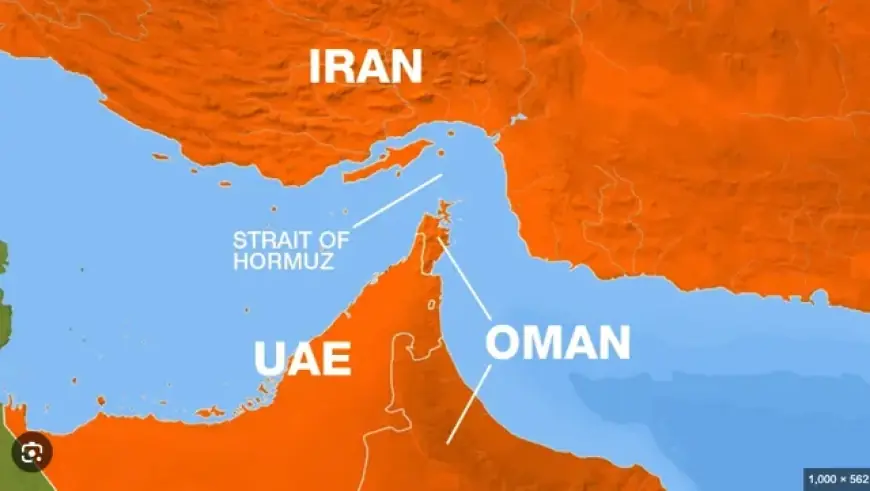
Oil markets are bracing for sharp moves after fresh disruption around the Strait of Hormuz reignited fears of a supply shock. While major crude futures were closed for the weekend, oil prices today remained the focus for traders, refiners, and consumers after the latest U.S.-Israel strikes on Iran and Iran-linked warnings to commercial vessels. The immediate market impact has centered on the risk that tanker traffic slows, detours, or pauses through the narrow waterway that connects the Persian Gulf to global markets.
By Saturday, Feb. 28, 2026 (ET), multiple shipping and energy firms had begun adopting a caution-first posture, temporarily delaying or suspending transits in the region. Insurers also moved to reprice war-risk coverage, adding another layer of cost pressure that can filter into delivered crude, refined fuels, and ultimately what drivers pay at the pump.
Why The Strait Of Hormuz Matters For Oil Price
The Strait of Hormuz is the most sensitive oil chokepoint on the planet. A large share of crude exports from Gulf producers must pass through its narrow lanes, along with significant volumes of liquefied natural gas. Even without a complete closure, any increase in risk can reduce the number of available ships willing to transit, lengthen voyage times, and tighten supply availability for key buyers in Asia and Europe.
Markets typically react not only to actual barrels lost, but also to the probability of disruption. When that probability rises quickly—through military escalation, vessel warnings, electronic interference concerns, or insurer pullbacks—oil price expectations can jump in a matter of hours.
Oil Prices Today: Where Benchmarks Stand Heading Into The Week
With futures markets shut over the weekend, the clearest snapshot for oil prices today is the last major settlement and widely followed pricing screens from Friday, Feb. 27, 2026 (ET). Those levels already reflected rising Middle East risk, and the weekend’s shipping disruptions set the stage for potential gaps when trading resumes.
| Benchmark | Last Widely Quoted Level (Feb. 27, 2026 ET) | Daily Move | What It Signals |
|---|---|---|---|
| WTI crude (U.S.) | $67.02 per barrel | +2.78% | U.S. benchmark pricing in higher risk premium |
| Brent crude (global) | $72.48 per barrel | +2.21% | International benchmark tightening on disruption fears |
If vessel traffic through the Strait of Hormuz slows meaningfully, traders often price in a larger “fear premium,” especially for Brent-linked barrels that more directly reflect seaborne global supply.
What’s Driving The Surge: Shipping Pauses, Vessel Warnings, And Insurance Shock
The key near-term driver is not a confirmed long-term halt in exports, but the real-world friction building in the shipping system:
-
Temporary pauses and rerouting: Some tanker owners and trading firms have held back vessels or delayed departures while assessing risk.
-
Radio warnings and operational uncertainty: Ships have received messages indicating passage is not permitted, creating confusion even when formal closure statements are unclear.
-
Insurance repricing: War-risk premiums have started rising sharply. Higher per-voyage costs can discourage marginal trips and raise delivered crude costs, particularly for smaller buyers and spot cargoes.
Even if oil continues to flow, these factors can reduce “effective supply” by slowing logistics. In energy markets, time is supply: longer voyages and fewer willing ships can tighten availability quickly.
How High Could Oil Prices Go If Hormuz Disruption Deepens?
The next week’s trading will likely be dominated by one question: does disruption remain localized and temporary, or does it harden into sustained interference with tanker movements? Markets typically map this into scenarios:
-
Contained disruption (days): Higher volatility, modest risk premium, and localized freight cost spikes.
-
Sustained disruption (weeks): Broader price surge as buyers compete for alternative barrels and shipping capacity.
-
Severe disruption (worst case): Potential for rapid moves toward $90–$100+ per barrel if exports are materially curtailed and inventories tighten.
The most important variable is continuity of transit. A partial slowdown can still jolt prices because it reduces flexibility—especially when refiners must secure specific grades on specific schedules.
What Consumers In The U.S., UK, Canada, And Australia Should Watch Next
For households, the link between the Strait of Hormuz and local fuel bills runs through crude pricing, refining margins, shipping costs, and currency moves. In the U.S. and Canada, gasoline may react within days if crude jumps when markets reopen. In the UK and Australia, retail pricing can also respond quickly, especially if Brent rises and shipping costs climb.
Five signals will define where oil prices go next:
-
Confirmed transit patterns: Are tankers moving through normally, slowing, or queuing outside the strait?
-
Any attacks on energy infrastructure: Damage to ports, pipelines, or loading terminals would be a major escalation for pricing.
-
War-risk insurance levels: Rising premiums can act like an immediate tax on moving oil.
-
Strategic reserves and emergency coordination: Any release signals governments trying to cap price spikes.
-
Producer response: Additional output promises can calm markets, but only if barrels can physically move.
For now, oil prices today reflect a market on edge: not yet a proven supply collapse, but a rapidly rising risk that the world’s most critical oil chokepoint becomes harder—and more expensive—to use. When trading resumes, the first hours will likely set the tone for whether this remains a volatility event or turns into a sustained energy shock.