

























Postal Service Supreme Court Ruling Clarifies Liability Standards for USPS Employees

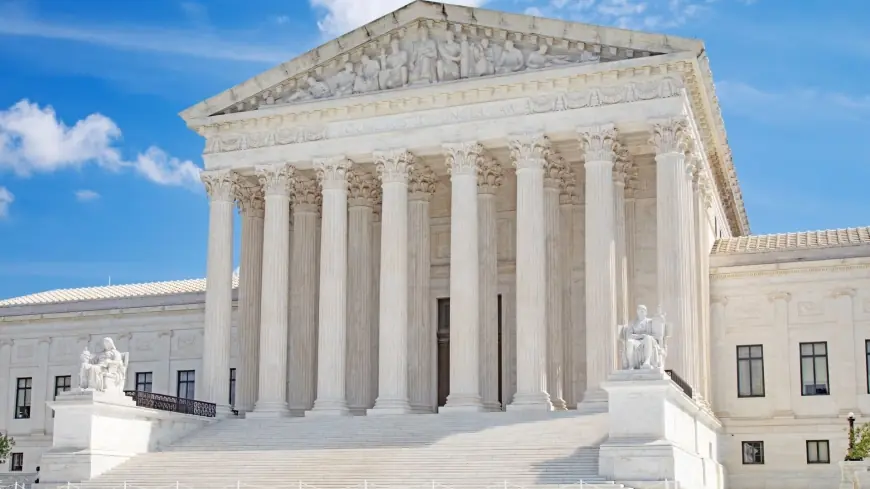
A recent Postal Service Supreme Court ruling has clarified when the United States Postal Service (USPS) can be sued and how federal liability laws apply to postal workers, a decision that could affect employment disputes and injury claims across the country.
The ruling addresses the scope of sovereign immunity and the Federal Tort Claims Act (FTCA), which governs when individuals may bring claims against federal agencies.
What the Postal Service Supreme Court Ruling Decided
In its decision, the Supreme Court examined whether certain lawsuits against USPS employees must be brought against the federal government instead of the individual worker. The case centered on whether actions taken within the scope of employment are shielded under federal law.
The Court reaffirmed that when postal employees are acting within their official duties, legal claims typically shift to the federal government under the FTCA framework. This means plaintiffs generally sue the United States rather than the individual employee.
However, the ruling also clarified limits: if conduct falls outside official duties, personal liability may still apply.
Why the Ruling Matters for USPS and Federal Workers
United States Postal Service operates as an independent establishment of the federal government, and its legal status has often led to confusion about when it can be sued directly.
The Postal Service Supreme Court ruling reinforces that USPS, while operationally independent, remains part of the federal framework for purposes of many liability protections. That affects:
-
Workplace disputes
-
Personal injury claims involving postal vehicles
-
Employment-related lawsuits
-
Administrative claims processes
For Americans, this means injury or negligence claims involving USPS vehicles or operations generally proceed through federal procedures rather than standard civil court actions against individual workers.
Impact on Employees and Claimants
For USPS employees, the ruling strengthens protections when performing official duties, shielding them from personal financial exposure in most work-related incidents.
For claimants, the decision underscores the importance of following federal administrative claim requirements before filing suit. The FTCA requires individuals to first submit a claim to the appropriate federal agency and wait for a response before proceeding to court.
Missing that step can result in dismissal, even if the underlying claim is valid.
Broader Implications for Federal Agency Lawsuits
Although focused on the Postal Service, the Supreme Court’s reasoning applies broadly to other federal agencies. The decision signals continued judicial support for clear boundaries between individual federal employees and the government entity itself.
Legal analysts note that the Court’s approach maintains consistency with long-standing precedent protecting federal workers acting within official roles while preserving accountability when conduct exceeds authorized duties.
What Happens Next
The immediate effect of the Postal Service Supreme Court ruling is procedural clarity rather than sweeping policy change. Ongoing and future cases involving USPS will now apply the clarified standard when determining whether the United States or an individual employee is the proper defendant.
For the millions of Americans who interact daily with USPS—from mail delivery to package services—the operational impact is minimal. But for attorneys, federal workers, and plaintiffs navigating government liability law, the decision provides a clearer roadmap for how Postal Service-related lawsuits must proceed.