
























Red Bull Calls for Intense Battle in F1 2026 Engine War

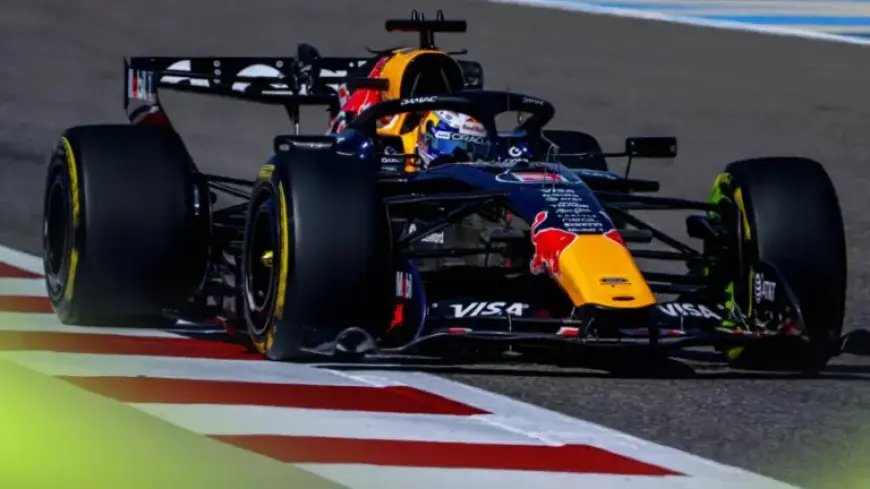
As Formula 1 gears up for the 2026 season, the competition between power unit manufacturers is set to intensify. With a budget cap in place and new regulations on the horizon, significant changes are anticipated. Red Bull Powertrains’ technical director, Ben Hodgkinson, has voiced support for a more competitive atmosphere, envisioning a “gloves-off” battle among manufacturers.
Upcoming Changes in F1 2026
The introduction of a budget cap at $190 million in 2026 brings both limitations and opportunities for power unit manufacturers (PUMs). This cap is designed to encourage efficiency and performance without excessive spending. The manufacturers will now have to navigate a landscape where financial constraints meet the pursuit of technological advancements.
Homologation Process and Development Timeline
- Homologation Date: March 1, 2026
- Requirements: Five manufacturers must submit designs to the FIA by the deadline.
- Physical Examples: A month after submission, manufacturers must provide a physical prototype.
The homologation process is crucial as it signifies official approval from the FIA. However, once homologated, the scope for development becomes limited, especially regarding performance enhancements. Manufacturers can introduce upgrades during set periods throughout the five-year cycle, though all must comply with budgetary and performance regulations.
Development Challenges
Hodgkinson highlights the inherent difficulties in power unit development. The longer gestation periods for innovation compared to chassis design mean that any changes require extensive planning. Red Bull Powertrains, noted for its new engine’s reliability, aims to optimize its developments within the confines of the existing regulations.
ADUO: Additional Development and Upgrade Opportunities
The Additional Development and Upgrade Opportunities (ADUO) initiative provides struggling manufacturers with additional avenues to improve their power units. This system is designed to ensure that competitive disparities do not widen significantly. However, Hodgkinson believes the challenge lies in effectively implementing timely updates within development constraints.
“After six races, assessments will allow for upgrades in the seventh race,” he stated. Yet, he also emphasized the considerable time and resources needed to create effective enhancements. Timelines for manufacturing and testing components can extend to 12 weeks or more.
Red Bull Powertrains in the Competitive Landscape
Despite being relatively new, Red Bull Powertrains has made a notable impact in the paddock. Recent pre-season tests have showcased the impressive reliability and performance of its power unit. Laurent Mekies, the head of Red Bull F1 team, acknowledged the remarkable progress made since the division’s establishment.
Future Outlook and Competitive Dynamics
While there is confidence in the advancements made, Mekies cautions that the team is still navigating a steep learning curve. Competitors like Mercedes and Ferrari are well-established and continue to set high benchmarks in performance.
“The competitive fight ahead is massive,” Mekies remarked. It is clear that the journey to match leading manufacturers will require ongoing efforts and innovations.
With the 2026 season approaching, all eyes will be on how the evolving landscape, budget caps, and regulations will shape the future of Formula 1. The intricate dynamics of competition will no doubt make for an exhilarating season ahead.