
























Report: Mohammed bin Salman Pressured Trump to Sanction UAE

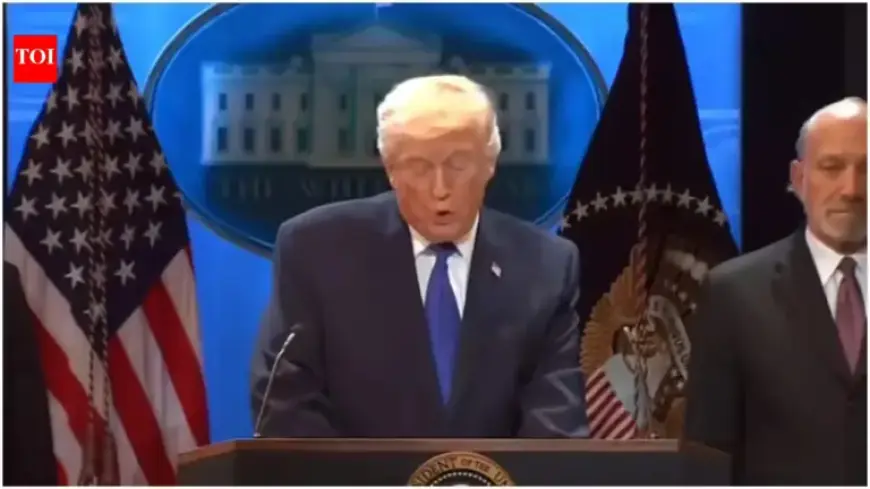
Recent reports indicate that Saudi Crown Prince Mohammed bin Salman urged U.S. President Donald Trump to impose sanctions related to the Emirati government’s support for an armed group engaged in Sudan’s ongoing civil war. This conversation, which took place in November, is said to have intensified existing tensions between Saudi Arabia and the United Arab Emirates (UAE).
Key Events and Tensions
Following the call between Mohammed bin Salman and Trump, a noticeable rift emerged. Senior Emirati officials expressed feelings of betrayal, as Saudi Arabia had previously been a reliable ally. This discord escalated dramatically in December when Saudi Arabia bombed an Emirati shipment to Yemen, worsening relations between the two oil-rich nations.
Background on Sudan Conflict
The civil war in Sudan, which has been ongoing since 2023, saw the UAE backing the Rapid Support Forces (RSF), a paramilitary group. Meanwhile, Saudi Arabia supports the Sudanese Armed Forces. The Emirati government has faced mounting global criticism for its support of the RSF, particularly amid allegations of human rights violations.
- The Saudi request for sanctions aimed to curtail external support for the RSF.
- Disputes over the details of the conversation remain, with a U.S. official clarifying that sanctions were not requested against the UAE.
- The UAE stated that it only provides humanitarian aid and denies allegations of supporting the RSF.
Strategic Interests
Both nations have significant influence in the region, but their competitive ambitions are increasingly at odds. Mohammed bin Salman is focused on stabilizing Saudi Arabia to diversify its economy, whereas Emirati leadership has adopted a more interventionist approach in foreign policy.
Some Emirati officials view the RSF as a strategic ally, considering the Sudanese military’s perceived Islamist ideology a threat. This viewpoint reflects the complex motivations behind the UAE’s involvement in Sudan.
Impact on Regional Relations
The fallout from the November call has significant implications for international relations, especially for the Trump administration, which is attempting to balance support between Saudi Arabia and the UAE. Analysts are monitoring how this rift could affect conflicts not only in Sudan but also in the broader Middle East.
- Saudi Arabia’s bombings have raised fears of escalating military confrontations.
- In December, clashes in Yemen highlighted further tensions as an Emirati-backed separatist group advanced towards Saudi borders.
Future Considerations
The recent escalation may complicate U.S. foreign policy in the region. The Trump administration has largely refrained from taking sides, maintaining extensive business ties with both countries. Moving forward, the diplomatic landscape remains uncertain amid ongoing humanitarian crises and regional power struggles.
As this situation unfolds, the relative stability of the Gulf region hangs in the balance, influenced by both local dynamics and international relations.