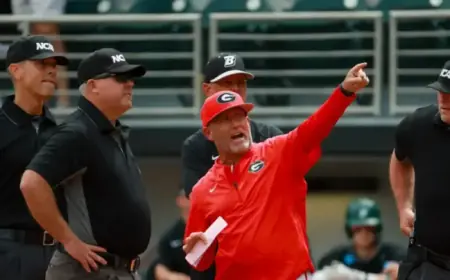






















Maura Higgins stunned at the round table — how Rob Rausch’s confession reshaped the finale and the farm scenes that followed

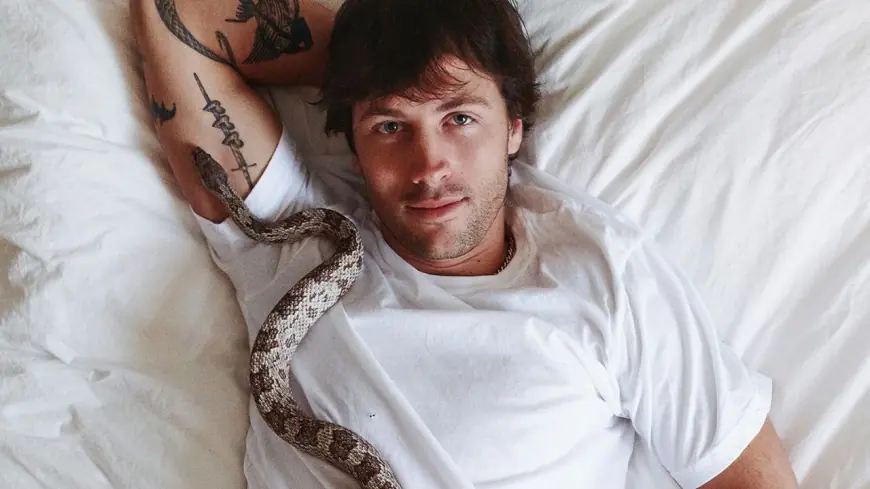
Why this moment matters now: maura higgins’ realization at the finale's round table reframed a season built on deception, and the profiles that followed — including a portrait of Rob Rausch on his family’s 200-acre farm in Florence, Alabama — give texture to the person who engineered that final twist. Here’s the part that matters: the reveal altered how Faithfuls, viewers and the game itself will remember this season.
Maura Higgins’ stunned reaction and the scene at the table
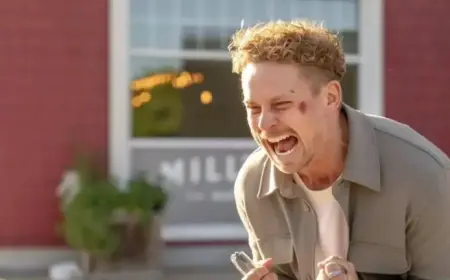
At the season finale’s round table, two former Love Island contestants faced one another. Maura Higgins watched a scene unfold in which she briefly imagined a shared victory with Rob Rausch; she looked hopeful and, for a moment, believed they might have won together. Then Rob told her he had been a traitor all along. The light fell from her eyes, her mouth hung open, and she waited, hoping it was a joke — the only person who did not know the truth in that instant. The moment left her visibly shocked and formally exposed as a misread of allegiance.
Details of the finale puzzle and the show's mechanics
The Traitors’ format offers only two exit routes from the castle: banishment at the round table — where a traitor can attempt to steer votes — or murder, where the traitors choose who goes. That structural advantage for the traitors helps explain why a late confession like Rob’s can land so destructively. Observers noted that Rob’s body language appeared relaxed for the first time all season before the reveal, and he reacted with a gleeful satisfaction when Maura realized she had been misled.
Rob Rausch on the farm: a portrait before the finale aired
A few days before the finale aired on network television, Rob Rausch was profiled at his hometown in Florence, Alabama. He spent long hours on his family’s 200 acres, feeding cows that pressed at the gate while he moaned back in jest. He pointed out a single spotted cow named Darlin', the only animal that did not rush forward when they entered the field. Dressed in a canvas jacket, light-wash jeans and worn cowboy boots, he carried a hefty bag of feed and wore a cowboy hat tipped over his brow. His denim overalls — familiar from Love Island USA season six — were not present; he said he used to wear overalls every day and joked that now they felt like a Halloween costume.
On the property are family fixtures: a wooden table he handcrafted, a vintage red Ford F150 his grandfather bought in 1993, and bullet shells outside a trailer where he and his sister run their clothing. He was described in person as unflappable, confident and boyishly charming with a sillier streak; he even convinced a visitor for a moment that a cow field was seeded with landmines. That mix of charm and mischief helps explain how he moved through the season largely unquestioned by the Faithfuls.
How he won: strategy, recruits and the moral aftertaste
Rob’s gameplay was framed as strategic and duplicitous: he spent the season strategizing, sneaking and being cutthroat until he secured the title of last-standing Traitor. He recruited Eric Nam and promised allyship before ultimately double-crossing him to clinch the win. When asked about that decision, Rob defended it by saying he would not allow a Traitor who had been in the game only a short time to beat him. The prize at stake this season was described as up to a quarter million dollars. Even after winning, he described his feelings as mixed — the moment of victory felt strange and not pure celebration.
Broader takeaways and who feels the ripple
- Traitors often have an institutional edge: observers noted traitors win most of the time and can manipulate decisions at the table or murder votes.
- Personal chemistry masks strategic intent: Maura’s hope and Rob’s relaxed posture underscore how trust can be weaponized in the format.
- Rob’s background — a snake wrangler known for dramatic moments on Love Island and a penchant for overalls — feeds the public image that helped him navigate suspicion.
It’s easy to overlook, but one comparison singled out Rob’s dominance as rare: only once before, in the 2024 U. K. season’s Harry Clark, did an observer see a traitor comparable to him. Amateur tallies of the franchise’s many seasons counted dozens of traitor victories across the run; one calculation put traitor wins at 44 out of 78 seasons that have aired, with long-time viewers estimating they see the traitors win slightly more than half the time.
What comes next is unclear in the provided context: Rob says he remains "super tight" with both Eric Nam and maura higgins, and the aftermath has left viewers and Faithfuls reprocessing how trust and spectacle combined in the finale. The real question now is how that finale will reshape audience expectations for future seasons and the way contestants play social signals.
Writer’s aside: what’s easy to miss is how much stagecraft — the wardrobe choices, the small farm rituals, the practiced jokes — feeds into a narrative that can disguise ruthless gamecraft. The human detail on the farm and the cold arithmetic of the round table belong to the same story.