
























Paramount-Warner Bros. Deal Ignites Major Hollywood Controversy

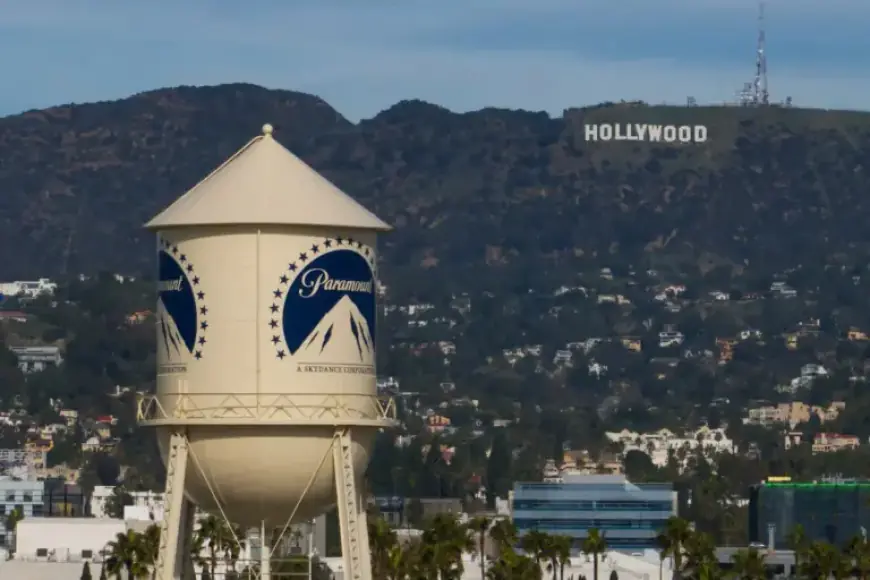
In a groundbreaking deal, Paramount Skydance has acquired Warner Bros. Discovery (WBD) in a transaction valued at $31 per share. This marks a significant development in Hollywood, particularly after Paramount triumphed over Netflix, which had been vying for the same acquisition. The agreement raises questions regarding its impact on the entertainment industry and broader implications for consumers.
Key Details of the Paramount-Warner Bros. Deal
- Value: $31 per share
- Competitors: Paramount Skydance vs. Netflix
- Potential Job Cuts: Speculations of $6 billion in cost savings could result in layoffs.
- Debt: Paramount may be left with over $90 billion in debt post-merger.
Cultural and Economic Impact
The merger has been criticized for potentially reducing competition and variety in streaming services. Critics fear that consolidating iconic franchises—ranging from Transformers to Harry Potter—under one corporate entity could lead to a homogenization of content. U.S. Senator Elizabeth Warren has called this merger an “antitrust disaster,” warning of higher consumer prices and fewer choices.
Furthermore, the combined entity will dominate multiple sectors, including film, television, and news media, potentially squeezing out smaller competitors. This consolidation raises concerns about the artistic landscape in Hollywood, as fewer voices dominate the market.
Leadership Perspectives
David Ellison of Paramount has expressed ambitions of releasing 30 theatrical films annually, which is similar to the combined output of the two studios prior to the merger. However, his relatively short tenure as a studio head raises questions about his capability to manage the vast implications of this acquisition.
Concerns over Industry Stability
The entertainment industry has already faced significant challenges, including job losses and diminishing theater attendance. The merger is poised to exacerbate these issues, potentially deepening the crisis in a sector that has been increasingly vulnerable to digital streaming platforms.
Historic Context
Warner Bros. previously enjoyed a successful year in cinematic releases, including significant box office hits and critically acclaimed films. Despite its struggles with cable TV and legacy debt, the studio was not in an unequivocal state of distress, raising questions about the decision to sell.
In hindsight, the deal serves as a cautionary tale for the industry. Observers have noted the potential for detrimental outcomes, suggesting that whoever emerges as the victor in this merger, the ultimate losers may be the audiences and the art of filmmaking itself.