
























Shonda Rhimes' Storytelling Legacy Meets a Fraught Moment of Mourning After Eric Dane's Death

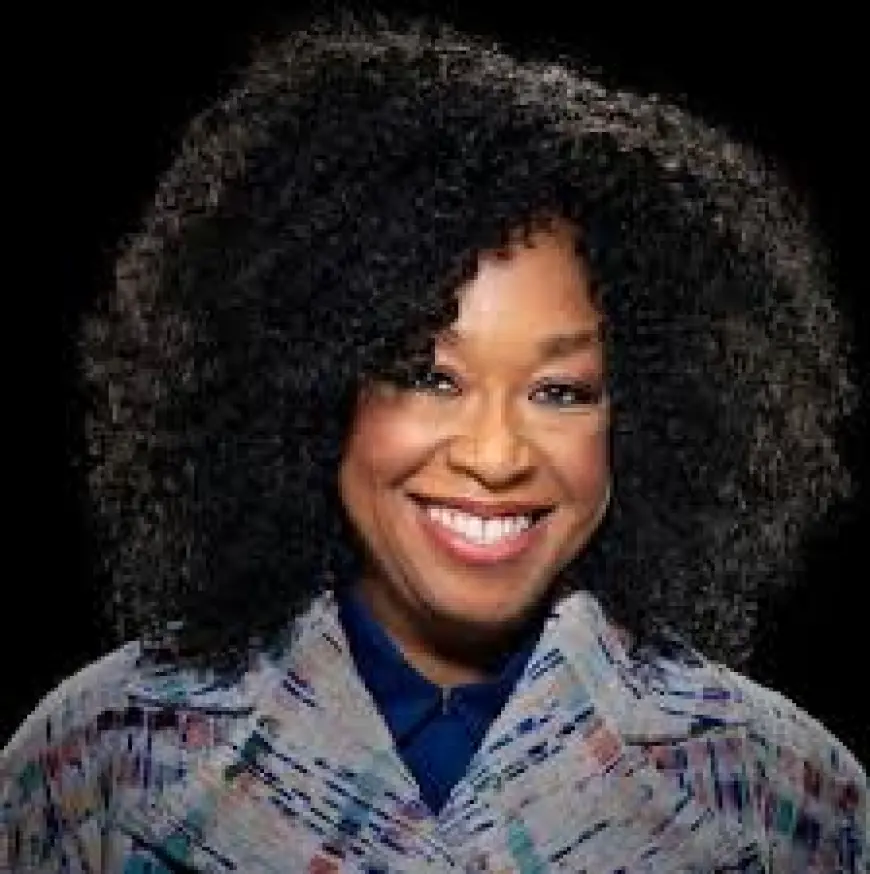
Shonda Rhimes remains one of television's most influential creators, celebrated for crafting durable hits and elevating representation on screen. That legacy has taken on renewed resonance as the entertainment community processes the death of an actor from one of her most famous shows and the online dispute that followed.
Shonda Rhimes: a true storyteller and champion of representation
Shonda Rhimes rose to prominence with the debut of a medical drama that began as a story about surgical interns and grew into a cultural phenomenon. That series has been running for more than two decades and helped establish Rhimes' reputation for complex characters and emotionally intense storytelling.
Her work extended beyond the hospital to hit projects exploring power, politics and historical romance. One series she created centered on a crisis manager and marked a milestone by featuring a Black woman as the lead in a major network drama for the first time in nearly four decades. Another recent hit placed people of color in lead romantic roles within a period setting, while a legal drama produced by her company helped a lead actress become the first Black woman to win a major acting honor in its category.
Throughout her career, Shonda Rhimes has emphasized diverse casting, multifaceted female leads and stories that expand who gets to occupy central roles on television. She is also an author, speaker and advocate for inclusion, and she has written about stepping outside comfort zones in a personal memoir.
- Breakout success: a long-running medical drama that began in 2005 and has remained prominent for over twenty years.
- Political drama: a fast-paced thriller that elevated a Black woman to a rare lead role in network drama.
- Regency-era romance: a newer hit noted for cross-cultural casting in a period setting.
- Legal drama: produced under her company and notable for an award milestone for its lead actress.
- Author and advocate: a memoir recounts a year of personal growth and embracing new opportunities.
Grey's Anatomy mourning, the Eric Dane dispute, and what it reveals about public grief
The recent death of an actor who appeared on that long-running medical drama has prompted widespread public reaction and a contentious exchange on social feeds. The actor died at age 53; he had gone public nearly a year earlier with a diagnosis of a progressive neurological disease, and his family confirmed his death and asked for privacy.
Shortly after a death announcement was shared on a social feed, a person who described herself as a former background actor on the series posted allegations of on-set mistreatment and labeled the actor a bully. That poster did not provide evidence and did not indicate regret about posting at that time. The claims have not been corroborated publicly.
The response to those posts split observers. One group argued that posting grievances during the immediate aftermath of a death crosses a basic threshold of decency while the family is grieving. Another group countered that a person's death does not automatically require silence from those who say they were harmed and that accountability is not paused by mortality. A third perspective focused on the practical question of what unverified allegations posted under a death announcement actually accomplish once they become content for public platforms.
Complicating the moment were public tributes and nostalgia tied to the show. Several fellow actors posted remembrances, the production issued a statement, and social feeds filled with throwback images celebrating the series' run. Those displays of fondness did not resolve the underlying tension between private memory and public critique, nor did they settle disputed personal accounts.
For Shonda Rhimes, whose body of work has created spaces for diverse voices and complex portrayals, the episode underscores how creative legacies are experienced in real time. Her shows have generated enduring affection and loyalty, but the recent debate around this actor's death highlights a broader cultural question about how memory, accountability and storytelling interact when contention emerges after someone dies.
Details in this matter remain contested and public reaction continues to evolve. Recent updates indicate the claims raised by the former background actor have not been independently corroborated; the conversation around grief and public criticism is ongoing.