

























Miami Ohio Vote to Replace Millett Hall Puts Students, Athletics and Local Businesses First in Line for Change

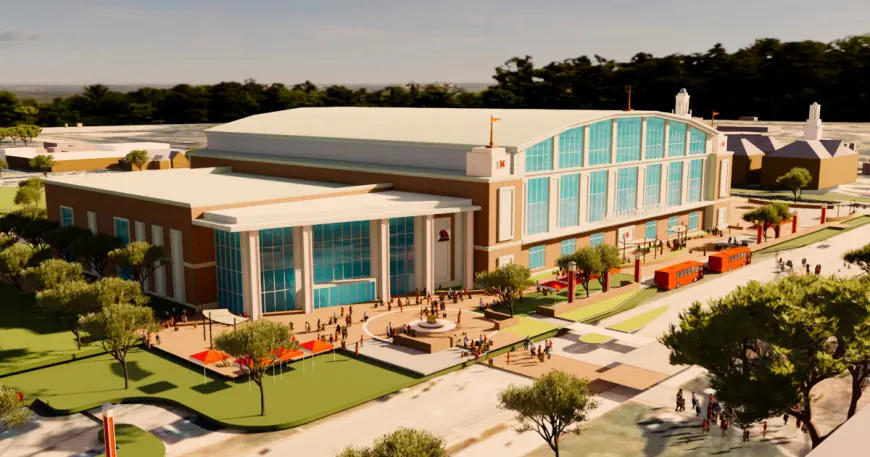
Students, athletes and nearby businesses are the first group to feel tangible effects after the university approved a multipurpose arena at Cook Field. The board authorized construction with an expected price tag near $242 million and authorization up to $281 million, a commitment that reshapes campus planning for miami ohio: expanded athlete facilities, larger event capacity, and an events-district footprint that will alter traffic flow and local commerce.
Immediate impacts for campus life and the surrounding community in Miami Ohio
Here’s the part that matters: the new arena aims to relieve space and scheduling pressures for student-athletes by adding two practice courts and a dedicated volleyball arena, and it will create capacity for commencements, concerts, career fairs and other campus events. Supporters frame the project as student-centered and as a catalyst for economic development; opponents warn the price and placement will affect green space and spending priorities.
What’s easy to miss is how the decision bundles operational, academic and community questions into one capital project — facilities upgrades for athletics are tied directly to a broader plan for an events district that could include future hotel or restaurant connections and new traffic accesses from State Route 73.
- Expected construction cost: about $242 million, with up to $281 million authorized for arena and ancillary costs.
- Renovation alternative for Millett Hall would require at least $175 million and take the building offline for multiple years.
- Project location at Cook Field was recommended by a review committee and chosen for available space and traffic access advantages.
The real question now is how campus priorities will be perceived by students and staff: protests and a campus survey revealed significant opposition to placing a large facility on green space, and several students voiced concerns about debt levels and funding trade-offs for academic programs.
Board decision, project specifics and campus response
The board of trustees passed a resolution authorizing demolition of Millett Hall and construction of the Cook Field arena; the vote moved the plan forward unanimously. The new complex is framed as a solution to Millett Hall's systems, operations and maintenance challenges, and as a way to avoid years-long offline renovation for the older building.
Proponents highlight student experience and competitive momentum in athletics as reasons to invest. Several campus leaders and athletes described space shortages — limited practice time and cramped training rooms — that the new facility intends to resolve. Opponents, including student organizers, raised concerns at the board meeting about the cost burden and the loss of open space on Cook Field. A campus survey showed most respondents opposed siting the facility on current green space.
Construction timing is that the arena is expected to be complete by the start of the athletic season in fall 2028; until then, questions about financing, campus traffic mitigation and design details remain active.
Key takeaways
- Construction vs. renovation trade-off: the board approved a new build after estimating a much higher renovation cost and lengthy downtime for Millett Hall.
- Who feels change first: student-athletes, campus event planners and businesses near the campus access points at State Route 73 and U. S. 27.
- Community friction centers on green space use and perceived funding priorities, with organized student protests and survey opposition noted ahead of the vote.
- Signals to watch for confirmation of the next turn: finalized financing details, traffic-control plans for State Route 73 access, and any shifts in how programs are prioritized in university budgets.
Timeline snapshot: Millett Hall was built in 1968 and added volleyball and women's basketball in 1974; the new arena aims to open for the fall 2028 athletic season, with demolition and replacement approved by the board.
The writer's aside: The bigger signal here is that this vote ties athletics upgrades to a campus-wide development strategy — that linkage will determine whether the arena becomes an isolated project or the anchor of a larger events district that changes how students and the town interact.
Opponents and supporters now turn to practical details—design, financing structure and traffic control—to see whether the project will deliver the promised student benefits without unacceptable trade-offs. If you’re wondering why this keeps coming up, it’s because the approval sets a multi-hundred-million-dollar course for campus land use and community relations that will play out over several years.