

























“Resident Evil™ Requiem Launches with Path Tracing, DLSS 4, and Ray Reconstruction”

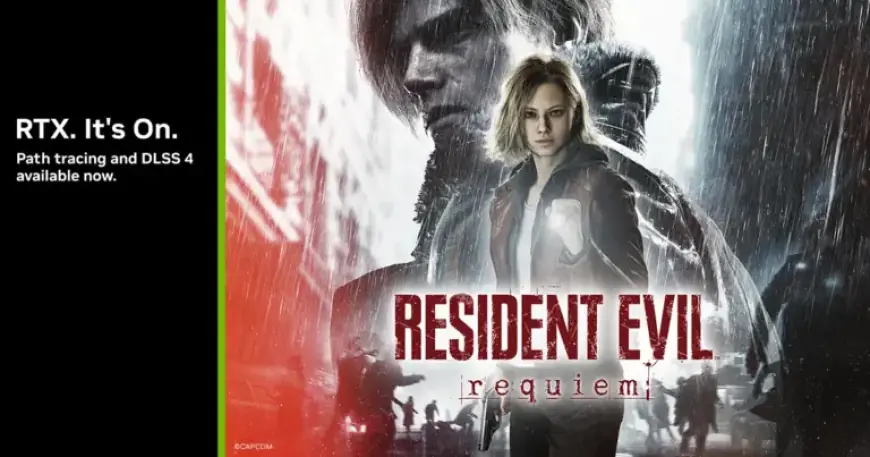
The gaming community eagerly anticipates the latest advancements in graphics technology, particularly with the launch of Resident Evil Requiem. This title introduces notable features, including Path Tracing, DLSS 4, and Ray Reconstruction.
Path Tracing and Ray Tracing Explained
Path tracing represents a significant leap in rendering techniques. When activated on GeForce RTX GPUs, it enhances visual fidelity dramatically. Ray Reconstruction complements this feature, combining DLSS Super Resolution with AI-powered denoising.
The Role of DLSS 4
DLSS 4 introduces Multi Frame Generation for GeForce RTX 50 Series users. This technology can triple frame rates, creating a smoother gaming experience while maintaining high graphical detail.
DLSS 4 for RTX 40 Series
Owners of GeForce RTX 40 Series cards benefit as well. They can use DLSS Frame Generation, which significantly boosts performance during gameplay.
Performance Gains
- GeForce RTX 50 Series: Up to 3X frame rate increase with DLSS 4.
- GeForce RTX 40 Series: Enhanced performance via DLSS Frame Generation.
- Path-traced effects deliver unparalleled visual quality.
These advancements allow gamers to enjoy visually stunning titles like Resident Evil Requiem at impressive frame rates. The combination of Path Tracing and advanced DLSS features provides a rich gaming experience.
Conclusion
In summary, the launch of Resident Evil Requiem marks a new era in gaming graphics technology. The integration of Path Tracing, DLSS 4, and Ray Reconstruction not only enhances the visual experience but also boosts overall performance, making it a must-play for gamers with compatible hardware.