
























Charles Barkley: Steph Curry ‘ruined the NBA’ — Why the three-point debate is back in the spotlight

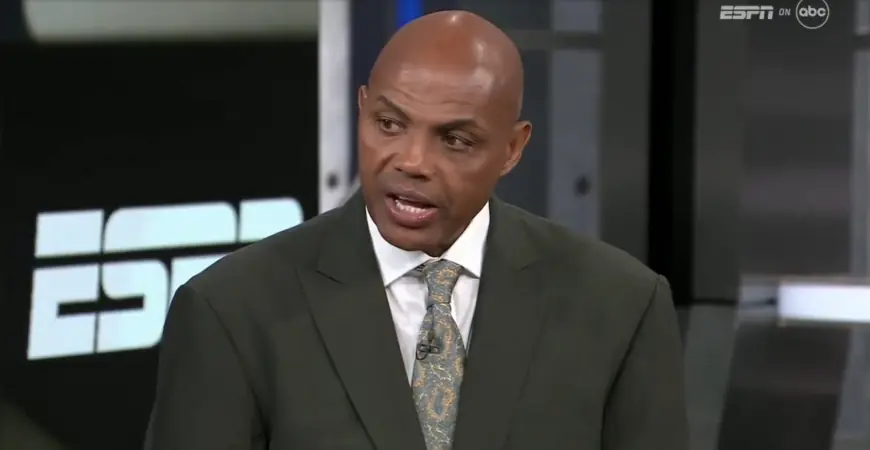
charles barkley placed the spotlight back on the league’s three-point revolution after saying Steph Curry and Klay Thompson “ruined the NBA. ” The remarks came during a recent appearance on The Howard Eskin Show and rekindled a running debate over shot selection, coaching control, and whether the sport needs structural adjustments to restore offensive balance.
Charles Barkley on the three-point problem
Charles Barkley argued that the idea “that everybody’s a good three-point shooter, that’s ridiculous and stupid, ” criticizing the wide latitude players now have to attempt long-range shots. He singled out Steph Curry and Klay Thompson as the model many teams and players feel compelled to copy, saying, “Steph Curry and Klay Thompson, they ruined the NBA because everybody think they Steph Curry and Klay Thompson. Y’all are not them. Stop jacking up threes. ”
charles barkley also suggested a governance change as part of the fix, urging the league to “give more power to the coaches. ” That prescription frames the issue as both cultural and structural: if shot selection is a product of strategy as much as individual choice, altering incentives and authority could change behaviors on the court.
Other voices in the three-point debate
- Shaquille O’Neal has expressed a related view, saying Morris-era Golden State threes were fine but suggesting an excess of three-point attempts made the league “boring. ”
- Paul Pierce proposed a radical adjustment: removing the three-point line for roughly 18 minutes of each game to curb excessive long-range attempts.
- Bob Costas raised concerns that the growth in three-point attempts might be eroding the product for television audiences.
- Commentators such as Bomani Jones and Nick Wright have also voiced complaints about the current emphasis on three-pointers.
Those critiques, paired with charles barkley’s remarks, underscore a broad unease across former players and media figures that the league’s shot profile has tilted too far from varied offensive sets toward uniform perimeter bombardment.
Evidence and what might change next
The conversation is not limited to opinion. A recent example cited in the debate highlighted a team missing a record 45 three-pointers in a single playoff game, an occurrence used to illustrate how prevalent and, at times, ill-advised heavy three-point volume can be. Observers note that this volume is shaped by organizational strategy as much as by players acting on their own, meaning coaching direction and front-office analytics play major roles.
charles barkley said that if the league wants more offensive balance, it does not need the league’s best shooter to reverse course; instead, the emphasis should shift to gathering more analytical evidence that the three-point shot is decreasing in value. In this framing, the path forward would be data-driven: teams and decision-makers would recalibrate strategy if analytics demonstrate diminishing returns on excessive perimeter shooting.
What to watch
- Whether team leadership — coaches and front offices — changes their shot-selection directives.
- Any league-level conversations about rule changes or incentives that could alter three-point volume.
- How broadcasting and audience reaction to high-volume three-point games affects broader perceptions of the product.
The debate reignited by Charles Barkley’s comments highlights tensions between individual excellence and systemic influence: exceptional shooters reshaped expectations, but the solution many propose is organizational and analytical, not simply a return to past shooting habits. Recent updates indicate these conversations are active; details may evolve as decision-makers respond.