




















What Is Family Voting: Observers Raise Concerns Over Secret Ballot Breaches at Gorton and Denton Byelection

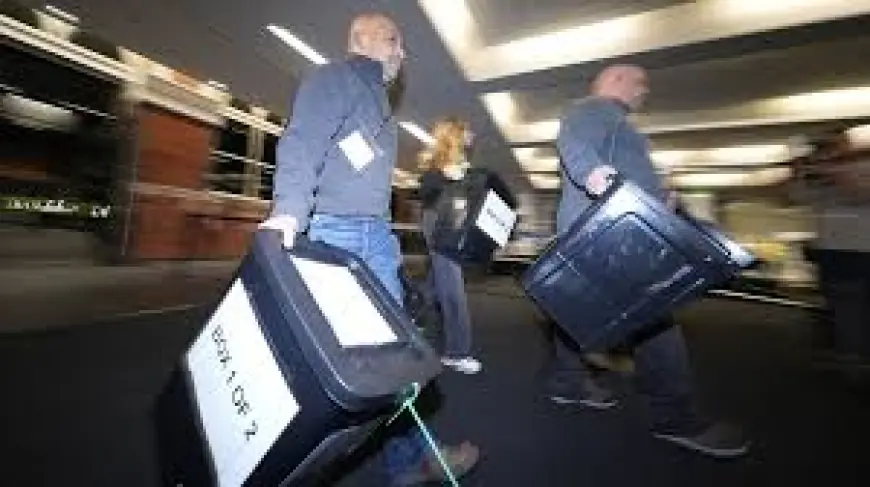
Democracy Volunteers has flagged unusually high levels of what is commonly called "family voting" in the Gorton and Denton by-election, saying the pattern appears to breach secret ballot rules and noting this is the highest incidence its observers have recorded in a decade. The findings matter because the issues identified intersect directly with the Ballot Secrecy Act 2023 and the integrity of the vote-counting process in the constituency.
What Is Family Voting: Observers' Findings in Gorton and Denton
Democracy Volunteers defines family voting as instances where a family member appears to influence another person's vote, for example by entering the polling booth with them. Four accredited observers from the group attended 22 of the constituency's 45 polling stations, working in pairs and spending between 30 and 45 minutes in each location.
Across a sample of 545 voters observed, the team recorded 32 cases of apparent collusion or family voting. They reported family voting taking place in 15 of the 22 polling stations they observed, with one polling station accounting for nine of the cases. Overall, the organisation assessed that 12% of the voters they watched were either directed or affected by family voting.
How the Numbers Compare and Historical Context
The observers say the pattern in Gorton and Denton is markedly higher than in a recent Westminster parliamentary by-election cited for comparison. In that earlier contest, family voting was observed in 12% of polling stations and was estimated to affect 1% of voters; by contrast, Democracy Volunteers recorded family voting in 68% of the polling stations it observed in Gorton and Denton, affecting 12% of the voters sampled. The organisation described this as the highest level of family voting in its 10-year history of observing elections.
Ballot Secrecy Act, Signage and Polling Station Practice
The enactment of the Ballot Secrecy Act 2023 is noted by the observers as clarifying that being in a polling booth with another person to influence a vote is a breach of the secret ballot. The observing team also reported that signage intended to discourage family voting was present in only 45% of the polling stations they examined.
Official and Party Reactions
Local election officials have rejected the suggestion that problems were reported while polls were open, stating that polling station staff are trained to look for undue influence on voters and that no such issues were raised during polling hours. A spokesperson for the acting returning officer said staff had an awareness of undue influence, that a central by-election hub was responding to reported issues during the day, and that police had a presence at every polling station. The spokesperson added that if the observers were concerned they could have raised issues with officials during polling hours so immediate action could be taken.
Political parties expressed concern and called for further scrutiny. Labour described the reports as "extremely worrying and concerning, " and its chair said evidence and a formal report are needed before decisions can be made about what authorities should investigate. The Green party leader said he would back an investigation and urged full transparency about the democratic process, indicating support for an inquiry or further steps if recommended. The chair of Reform UK described electoral fraud as a stain on democracy and said the matter should be reported and handled in a spirit of fairness with the law.
Other Incidents Observed and Unclear Details
Observers also recorded other polling-day irregularities: several people were turned away because they were not registered to vote in Westminster elections — for example, some EU citizens eligible to vote only in local elections — and volunteers saw voters taking photographs of their ballot papers. The team also noted one instance where a person appeared to be authorised to vote despite them already unclear in the provided context.
Democracy Volunteers' director described the levels of family voting seen on the day as concerningly high and said the organisation rarely issues an on-the-night report but felt the data warranted immediate attention. The situation remains under review, and the observers' report and any responses from electoral authorities will determine whether further formal inquiries are opened.