











Dunblane documentary The Dunblane Tapes lays bare parents’ grief 30 years on

A Channel 4 documentary built around unseen home video brings the aftermath of the 13 March 1996 school shooting back into stark focus, and the film premieres tonight at 9pm. The film’s footage, shot by a bereaved father, is central to how the community’s response and the campaign to ban private handguns are shown in intimate detail.
Dunblane massacre: the facts the film revisits
The film revisits the shooting carried out by Thomas Hamilton, 43, who entered Dunblane Primary School with four handguns and 743 rounds of ammunition and opened fire on children skipping in the gym hall. Some pupils were shot at point-blank range after earlier bullets had incapacitated them. The attack lasted just under four minutes and left 16 children dead; their teacher, Gwen Mayor, was also killed, and the gunman subsequently killed himself.
Home video as testimony
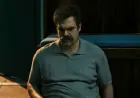
The tapes at the heart of the documentary were recorded by John Crozier after he lost his five-year-old daughter, Emma. John filmed gatherings of bereaved parents and many conversations with his friend Les Morton, who had lost his five-year-old daughter, Emily. On those recordings John appears dark-haired and radiating grief and rage; the two men now sit together white-haired and remembering. In a clip Les recalls being interrupted in a meeting and then being told there had been a shooting, prompting him to ask, "say that again?" On the tapes John says he sees Emma’s face every morning when he wakes; Les replies that it is "like a live picture. " Les also says, "Nobody would think it’s possible... I feel venomous every day. My child’s gone. Never to be seen again. "
Parents, teachers and small details
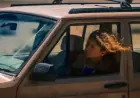
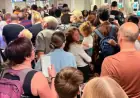
The documentary interweaves present-day scenes with contemporary news footage: parents running down the street toward the school, some still in slippers; a policeman bowing his head and covering his eyes as news arrived; a journalist remembering a woman in a car suddenly covering her mouth when she heard the report on the radio. The film shows everyday continuity amid loss — Emma’s three-year-old brother, Jack, making a tray of fairy cakes with Grandma and saying he plans to grow up to be "a big baker. " Other parents appear, including Mick North, who lost his five-year-old daughter Sophie, whose mother had died three years earlier.
Voices from the school
Deputy headteacher Fiona Eadington, who was responsible for the infant department on 13 March 1996, speaks in the film and describes feelings of guilt that she could not protect the five- and six-year-old children. She recounts arriving on a frosty morning when her car would not unlock except through the boot, so she got in through the boot. It was an infant assembly morning with Easter hymns; she says the assembly ended just before half past 9. In the documentary she says, "Those children were given to my care and I didn’t protect them, " and she recalls singing with pupils to take their minds off the horror while staff contained and fed the children and got them out without them being aware of what had happened.
How grief turned to campaign
The film traces how bereaved parents turned their suffering into political action, including the Snowdrop Petition, named after the flowers that were the only ones blooming in Dunblane in early March when the children died. The documentary’s synopsis notes that after the 1996 mass shooting at Dunblane a campaign was launched to ban private handguns in the UK, and that the story can now be told with unseen video filmed by a bereaved parent.
Judy Murray, the mother of Andy and Jamie Murray who lived in Dunblane at the time, is referenced in the film material explaining how close the family came to the attack: Andy’s class had been on their way to the gym when they heard the noise; someone went ahead to investigate and the children were told to sit down below the windows in the headmaster’s and deputy head’s studies and were singing songs while teachers and dinner ladies cared for them. Judy says she drove to the school "thinking I might not see my children again, " and that at the time "people weren't frantic. They were shocked, quiet. It was before mobile phones. Nobody knew anything. "
The Dunblane Tapes airs on Channel 4 tonight, 9pm, and is timed to mark the 30th anniversary of the massacre in March.