





















Hurricane Melissa Jamaica Recovery: Four-Year Rebuild, $415M IMF Aid, and Tourism Still Rebuilding

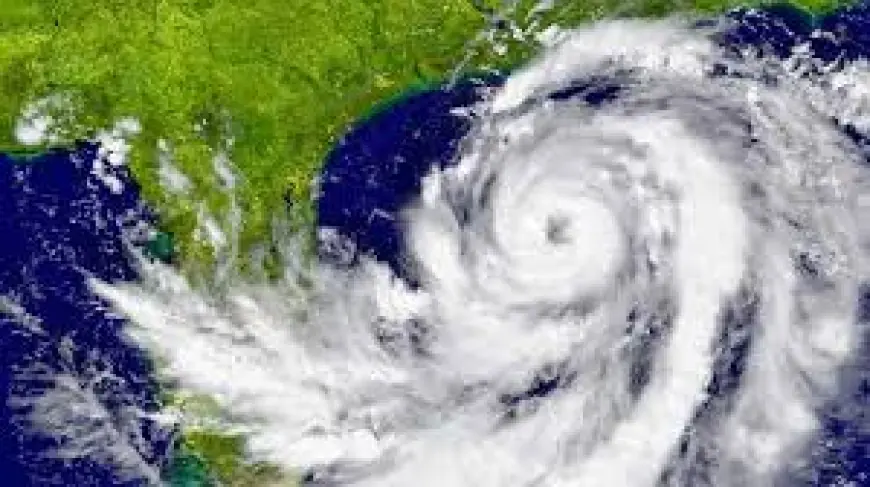
Hurricane Melissa made its catastrophic Jamaica landfall as a Category 5 storm near the southwestern town of Black River on October 28, 2025, before continuing across Cuba and the Bahamas. The storm ripped roofs off approximately 120,000 structures, completely destroyed around 24,000 buildings, and damaged 150,000 structures in total.
At least 45 people were killed, 13 remain missing, and 96 were injured across Jamaica alone. Jamaica's economic growth minister told delegates at the 2025 United Nations Climate Change Conference that Hurricane Melissa changed the life of every Jamaican in less than 24 hours — calling it evidence of what he described as a new phase of climate change.
Bank of Jamaica Now Projects a Four-Year Recovery From Hurricane Melissa
The economic damage from Hurricane Melissa Jamaica has proven far more lasting than initially feared. The Bank of Jamaica now expects the economy to take up to four years to fully recover — a significant revision from the two-to-three-year timeline previously forecast — as mounting evidence confirms the storm inflicted lasting damage to capital, labor, and productivity.
Agriculture has suffered prolonged supply disruptions, pushing food prices higher and constraining domestic output well beyond the immediate aftermath of the storm. Domestic crop production is expected to grow at a slower pace through at least the December 2026 to September 2027 period, indicating a more protracted recovery relative to earlier forecasts.
IMF Approves $415 Million Emergency Disbursement to Jamaica
International financial support arrived quickly but the scale of the need remains enormous. On January 16, 2026 ET, the IMF Executive Board approved emergency financial assistance of approximately $415 million for Jamaica under the Rapid Financing Instrument's large natural disaster window, citing the country's strong track record of economic reforms and the urgent balance-of-payments need created by Hurricane Melissa.
The IMF noted that fiscal policy is appropriately aimed at providing relief and recovery in hurricane-affected areas, with a focus on supporting the most vulnerable populations and rebuilding damaged infrastructure, while the government remains committed to fiscal responsibility once the hurricane shock has receded.
Jamaica Schools, Hospitals, and Public Health Still Struggling
The human recovery picture is no less challenging. Of Jamaica's 1,010 public schools, 721 were damaged and 160 remained closed six weeks after Hurricane Melissa made landfall. At its peak, the storm displaced more than 100,000 people. As of January 28, 2026 ET, that number had fallen to fewer than 6,000 — roughly half of whom remain in temporary shelters.
The Ministry of Health and Wellness, with PAHO support, has significantly scaled up mental health and psychosocial support services nationwide. More than 3,000 people have been trained in Psychological First Aid, with Jamaican health teams having delivered 7,784 mental health and psychosocial support interventions to date.
Hurricane Melissa Jamaica Tourism: Full Hotel Recovery Not Until December 2026
Jamaica's tourism sector — which accounts for more than 30% of the island's GDP — is recovering slower than expected. The Bank of Jamaica noted in its December policy minutes that full recovery of hotel room stock remains projected for the December 2026 quarter, with weaker tourist demand expected until then, and policymakers flagged significant downside risks to the domestic labor market due to hurricane-related hotel layoffs.
Tourism officials project full visitor recovery by December 2026. Jamaica's three major airports — Sangster International in Montego Bay, Norman Manley International in Kingston, and Ian Fleming International in Ocho Rios — have all returned to normal operations with major airlines maintaining regular flight schedules.
Humanitarian Aid: $11.5 Million in Medical Supplies and One Million Hot Meals Delivered
The relief response to Hurricane Melissa Jamaica has been extraordinary in scale. As of January 28, 2026 ET, Direct Relief had delivered more than 25 shipments of medicines and medical supplies — valued at more than $10.9 million — to 13 organizations working in Jamaica, Haiti, Cuba, and the Dominican Republic. An additional shipment of 20 midwife kits sufficient to support 1,000 facility-based safe births is currently underway for the Jamaican Midwives Association.
World Central Kitchen has served more than one million hot meals across western Jamaica. A $1 billion tourism worker relief fund has been established with private sector support, and approximately 32 farmers in Trelawny have already received insurance payouts under the GraceKennedy Weather Protection Programme. Despite all of these efforts, families across Jamaica told recovery teams in January that they are still trying to keep their children dry in roofless homes, school reopenings are delayed, and small business owners whose livelihoods washed away overnight are still waiting for meaningful help.