














Sonny Styles: Why his combine answers and self-scouting matter to teams hunting a run-stopping leader

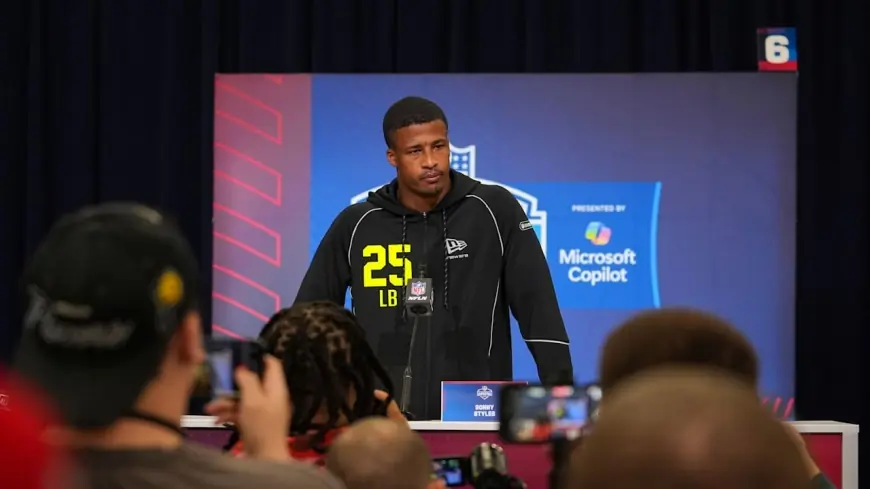
The detail that will shape late draft boards isn't only film or measurables — it's how sonny styles talked about his own limitations at the NFL combine. For teams that need sturdier inside play against the run and for fans tracking where a play-caller who can fit multiple linebacker spots might land, his candid assessments shift the evaluation conversation from pure upside to immediate schematic fit.
Sonny Styles and the roster problem he directly addresses for teams prioritizing run defense
Here’s the part that matters: several teams that flagged stopping the run as a priority met with Styles at the combine, and his mix of versatility and willingness to name specific growth areas gives decision-makers clearer tradeoffs when comparing prospects. He’s not selling only strengths—he outlined areas he plans to improve, which changes how franchises judge readiness versus developmental upside.
What teams hear when a prospect says he can play Mike, Will or Sam and can call plays is immediate value in communication and alignment with a front seven. The Giants’ staff has viewed inside linebacker play as central to stopping the run, and a meeting with Styles at the combine indicates they’re weighing him against that internal need. What’s easy to miss is how much a prospect’s own self-scouting can accelerate trust-building with veteran teammates; naming precise technique fixes helps coaches map a plan faster.
- Styles signaled he wants to improve zone coverage and ball disruption, areas teams will test on tape and in workouts.
- He emphasized awareness of pad level rising on certain plays — a technical point that coaching staffs can coach and monitor.
- His ability to play multiple inside roles and call plays increases his short-term roster value for teams focused on run defense.
- Because he openly discussed what needs work, franchises gain a clearer sense of whether he is a Day 1 starter or an early developmental piece.
Event details and the on-field facts that remain uncontested
At the combine, Styles spoke publicly about specific aspects of his game he intends to sharpen — notably zone coverage, creating more disruption on passes, and keeping a lower pad level when engaging blockers. He described himself as an intelligent football player who wants to be able to explain and diagnose the game, not just execute physical plays. The prospect pointed to his experience switching from safety to linebacker as a factor that helped his transition into an off-ball role, and he highlighted comfort with play-calling responsibilities.
From his recent season: he totaled 83 tackles, recorded 1. 0 sack, forced a fumble, made an interception and had three passes defensed. His listed playing weight in the available notes is 243 pounds. Evaluators across the coverage expect him to be selected in the first round.
He also described a specific combine interview setting — an interview with Dan Morgan — as part of his combine experience and held an extended session with media early one morning at the event. Those interactions, combined with a meeting with the Giants’ staff at the scouting event, created more direct matchup assessments between his stated goals and team needs.
Key signals teams will watch in the coming pre-draft period include: increased evidence of ball disruption in drills and workouts, demonstrable improvement in zone coverage reps, and consistent pad-height work in position testing. The real question now is whether those adjustments are evident quickly enough to move him from a developmental first-round projection to an immediate impact starter.
Timeline (micro):
- Past season — compiled 83 tackles, 1. 0 sack, forced fumble, interception, three passes defensed.
- Combine — spoke publicly about areas to improve and held interviews, including one with Dan Morgan.
- Combine meetings — conducted a meeting with the Giants’ staff as teams evaluate fit for run defense.
Final note: teams weighing sonny styles will balance his clear playmaking tape and play-calling experience against the technical corrections he has identified. If those corrections show up in the pre-draft process, his readiness level for an inside role that helps stop the run becomes much more concrete.
What’s easy to miss is that transparency from a top prospect can be a practical advantage in draft rooms — it often shortens the projection timeline from “could develop” to “can be coached. ”