






















Family and Fans Reeling as Bobby J Brown Dies After Barn Fire — Immediate Human Toll and Practical Fallout

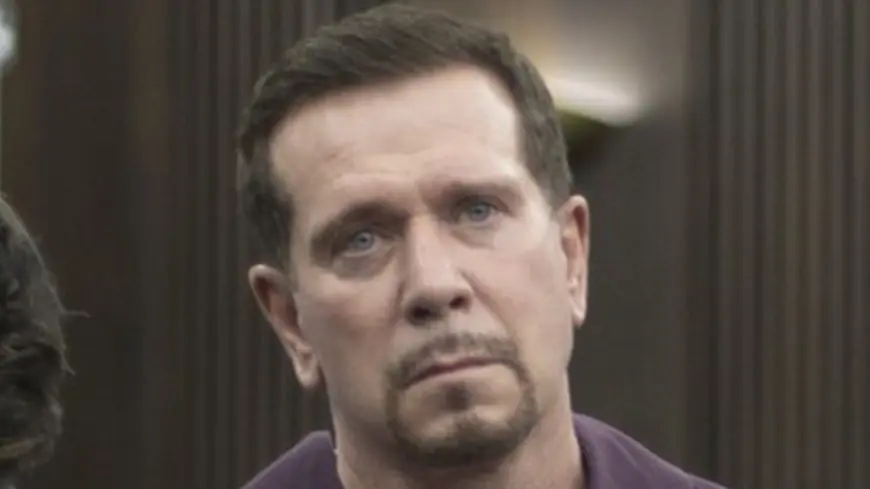
Bobby J Brown’s death after a barn fire lands first and hardest on his family and close collaborators: his wife was severely burned trying to rescue him, his daughter says he died of smoke inhalation, and a medical review lists diffuse thermal injury and smoke inhalation as the cause. Here’s why this matters now — it transforms a private tragedy into an urgent set of decisions about recovery, funeral planning and the actor’s on‑going projects.
Bobby J Brown: who feels the impact first and what that means
Here’s the part that matters: the immediate human cost is inside the family. Brown’s wife suffered severe burns while attempting to pull him from the blaze; the daughter has described his passing as caused by smoke inhalation. The family also notes his religious practice and that a funeral service is being planned, which will shape timing and privacy choices.
Beyond relatives, colleagues and the community who worked with him on television projects are directly affected — several credits in his career are noted in public accounts — and fans who have been posting condolences are already responding to the loss. What’s easy to miss is how quickly logistical questions pile up after an accidental death: medical rulings, recovery for injured survivors, and arrangements that respect both family wishes and any pending professional commitments.
How the barn fire unfolded and the official findings
The available accounts describe a short sequence inside a barn that ended in a fatal blaze. Brown entered the barn to jump‑start a vehicle, later called a family member requesting a fire extinguisher, and by the time others reached the structure it was engulfed. Attempts to rescue him continued; his wife sustained severe burns in the effort. A medical examiner ruled the cause of death as diffuse thermal injury and smoke inhalation, and determined the manner of death to be accidental.
- Immediate actions: entered barn to jump‑start a vehicle; later sought a fire extinguisher.
- Rescue: family members attempted to extinguish the blaze; wife injured trying to save him.
- Outcome: death from smoke inhalation with diffuse thermal injury listed; manner ruled accidental.
Timing details differ slightly across published accounts, and those discrepancies are unresolved in the available material; the precise calendar date of death is therefore described differently in separate notices.
Brown’s career credits that are repeatedly mentioned include roles on a long‑running crime drama series and other television projects; those mentions explain why the reaction has extended beyond family to colleagues and audiences. Plans for a funeral service are underway, per family statements.
Short practical implications: the injured spouse will need medical care and time to recover; the family must coordinate memorial arrangements consistent with stated religious practice; and any unfinished professional work will require administrative follow‑up. These are immediate pressures that follow a sudden, accidental death.
The real test will be how quickly the family and any representatives can finalize next steps while protecting privacy and tending to recovery. If you’re wondering why this keeps coming up for the industry, it’s because sudden losses often trigger rapid decisions about crediting, billing and scheduled projects that affect many people beyond the household.
What’s easy to miss is the cascade of practical work that follows a single accident: statements to medical authorities, recovery for injured survivors and a funeral plan that fits the family’s faith and privacy needs.