

















David Bailey's Draft Surge: Transfer-Fueled Texas Tech Breakthrough Sparks Combine Buzz

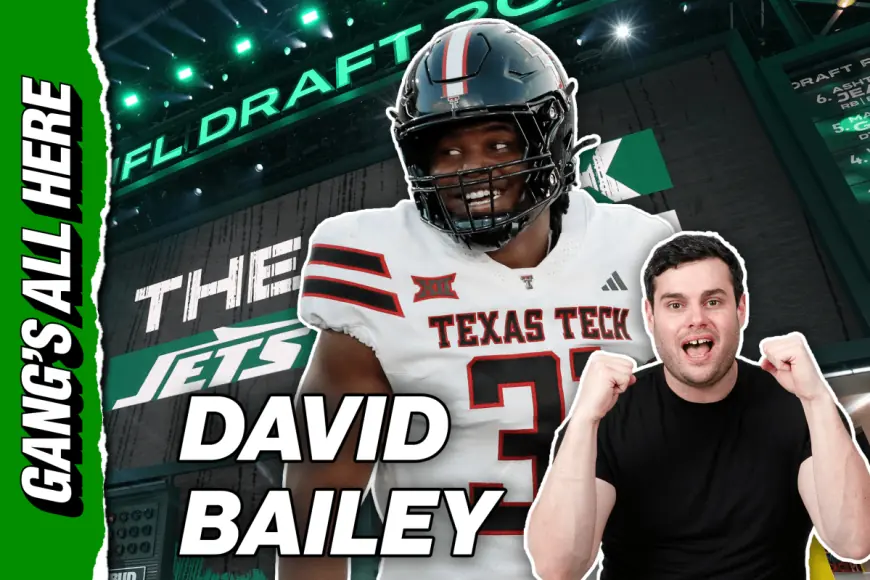
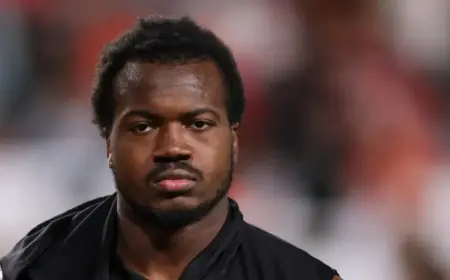
David Bailey’s stock has climbed rapidly after a transfer season that produced double-digit sacks and a national spotlight at the combine. That rise matters because it ties a high-cost recruiting strategy to tangible team success and a player who is now being positioned among the draft’s top defensive prospects.
David Bailey’s role in Texas Tech’s transformation
Bailey was one of several transfers who remade Texas Tech’s defensive front. He and fellow end Romello Height each finished with double-digit sack totals and were ranked among the top 15 in the Football Bowl Subdivision. Interior pieces Lee Hunter and Skyler Gill-Howard took on blockers and created space for rushers, while a fifth transfer also contributed to the group’s impact.
The immediate payoff for that assembly of talent was historic: Texas Tech secured its first outright league title since 1955, its first Big 12 crown and its first College Football Playoff appearance. Four of the five transfers who helped catalyze that run later appeared at the annual scouting combine, underscoring how the collection of veteran additions translated into both team accolades and individual professional opportunities.
Combine momentum, NIL valuation and draft narrative
Bailey’s presence at the combine reinforced the draft narrative that had built around him. His college production and athletic profile prompted prominent commentary that placed him among the top defensive players in the 2026 draft class. One analyst framed him as a legitimate candidate for the title of best pass rusher in the draft, and draft evaluators have compared his natural rush instincts and explosiveness to successful edge players who have carved clear NFL roles.
Texas Tech’s transfer strategy carried a notable financial footprint: the program paid an estimated $7 million to acquire the five game-changing linemen. Nearly half of that estimated total went to Bailey, a figure that led to him being dubbed the highest-paid defensive player of the college NIL era. Bailey has defended his compensation and emphasized the leadership role of inside linebackers within the scheme, arguing they deserved more pay.
The combine week also highlighted how modern prospects blend on-field evaluation with off-field entrepreneurship. Several invitees discussed NIL ventures and post-college planning during interviews, illustrating the broader shift in how collegiate athletes navigate transition to the professional ranks.
What the draft calendar now looks like for Bailey
- Bailey’s college tape and combine work have pushed his name into top-tier draft conversations.
- Analyst comparisons emphasize his bend, explosion and ability to slip blocks from multiple angles—traits that make him hard for linemen to contain.
- As the draft approaches, evaluators are tightening boards and rewatching cutups to determine how collegiate traits will translate to the next level.
David Bailey’s rise is grounded in measurable college production, a transformative role in a transfer-driven front and heightened attention at the combine. The coming weeks before draft night will determine whether that attention becomes an early-round selection. Recent updates indicate this picture may continue to evolve as teams finalize boards and weigh how his skill set fits schematic needs.
Named contributors to the transfer-driven defensive line included David Bailey, Romello Height, Lee Hunter and Skyler Gill-Howard, plus one other transfer who helped complete the group. The combination of performance, payday and postseason success makes Bailey’s story a useful case study in the changing economics and evaluation of college football talent.