

























Hurricane Melissa Reassessment Raises Peak to 190 MPH, Tying Allen and Rewriting Historic Rankings

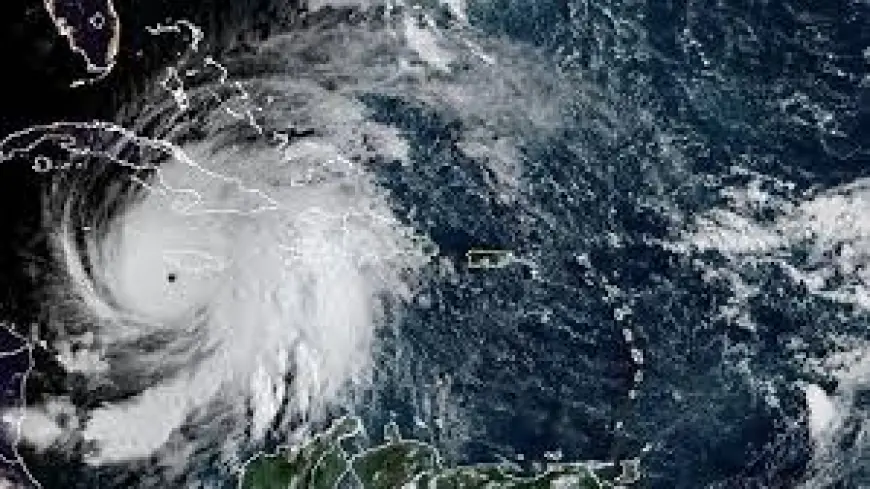
ORLANDO, Fla. — A routine post-season reanalysis has changed the way one of last season’s most violent storms will be remembered. Hurricane Melissa has been reclassified with a peak intensity of 190 mph, up from 185 mph, a shift that alters historical comparisons and cements the storm among the strongest Atlantic hurricanes on record.
Why this reassessment matters now: the context behind the upgrade
Post-season reviews are intended to refine the official record; in Melissa’s case that refinement moves the storm from a previously reported 185 mph peak into a tie with a landmark storm from four decades ago. The upgrade affects Melissa’s placement in lists of top Atlantic wind intensities and pressure rankings, and it changes how meteorologists compare recent extreme events to earlier records.
Hurricane Melissa: the revised numbers and historical ties
During the storm last year, Melissa made landfall in Jamaica as a 185 mph Category 5 hurricane. That maximum sustained wind originally tied two historic landfalls in the Atlantic basin: Dorian and the Labor Day Hurricane of 1935. The post-season analysis found the storm’s peak intensity reached 190 mph, up from the earlier 185 mph value.
The 190 mph confirmation now places Melissa in a tie with Hurricane Allen from 1980 for peak sustained winds in the Atlantic. From a pressure perspective, Melissa is tied for the third most intense hurricane on record. Late last year it was also confirmed that Melissa produced the strongest wind gust ever recorded in a tropical cyclone: a 252 mph gust.
How the reanalysis reached 190 mph: instruments and review
During the storm, satellite data and measurements from Hurricane Hunter aircraft suggested the possibility that gusts and sustained winds were higher than first estimated. Those data were re-examined during routine post-season analysis, and on Wednesday the National Hurricane Center confirmed the 190 mph peak.
What changes in the record and what stays the same
At the time of Melissa’s landfall in Jamaica, the 185 mph figure was considered the storm’s peak intensity. The reclassification to 190 mph replaces that earlier peak on the official wind record and ties Melissa with another historically powerful storm for peak sustained winds. The pressure ranking — tied for the third most intense — remains part of Melissa’s profile alongside the record gust.
- Last October: Melissa made landfall in Jamaica at 185 mph (Category 5).
- Original tie: 185 mph tied Dorian and the Labor Day Hurricane of 1935 for strongest Atlantic landfalls.
- Post-season analysis: peak intensity revised to 190 mph, up from 185 mph.
- New tie: 190 mph ties Melissa with Hurricane Allen for peak sustained winds in the Atlantic.
- Strongest gust: Melissa produced a confirmed 252 mph wind gust in the tropical cyclone record.
Here’s the part that matters for historical records: the upgrade reshuffles comparisons between modern storms and earlier benchmarks, affecting how future summaries will present Melissa relative to other extreme Atlantic hurricanes.
Key takeaways:
- Melissa’s peak sustained wind was revised to 190 mph after post-season review.
- The storm’s 190 mph peak ties it with Hurricane Allen from 1980 for strongest sustained winds in the Atlantic.
- Melissa’s landfall in Jamaica last October was at 185 mph, which had tied Dorian and the 1935 Labor Day Hurricane for strongest landfalls at the time.
- By pressure, Melissa is tied for the third most intense hurricane on record.
- Late last year Melissa was confirmed to have produced a 252 mph gust — the strongest ever recorded in a tropical cyclone.
Jonathan Kegges joined the News 6 team in June 2019 and now covers weather on TV and all digital platforms. If you need help with the Public File, call 291-6000. The outlet noted it uses artificial intelligence technologies in its news gathering and presentation; recent confirmation of Melissa’s revised peak came after that routine analytical process.
It’s easy to overlook, but reanalyses like this are why the official record can shift even after a storm has passed: better calibration of aircraft instruments and satellite interpretation can change peak estimates without introducing new on-the-ground reports.