



















Marks And Spencer flagship closure in Swansea: immediate local impact and who will feel it first

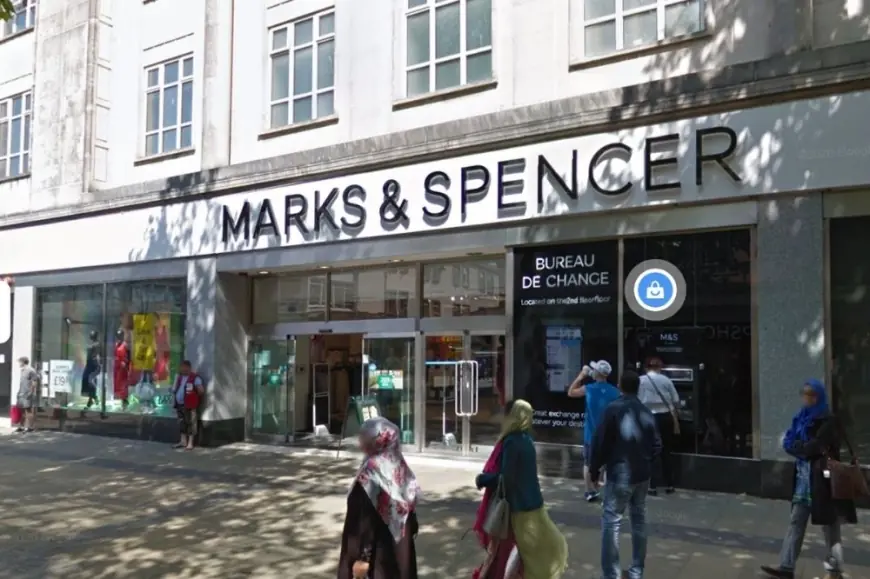
The announcement that marks and spencer will close its Swansea Oxford Street flagship shifts the conversation from corporate estate strategy to local economic harm: staff, regular shoppers and city-centre regeneration plans are the first to feel the effects. The company says the proposal is part of a UK-wide reshaping of its estate and that employees were informed this week; councillors and council spokespeople have already signalled active intervention and support for affected staff.
Marks And Spencer closure: who feels the immediate impact
Staff are the clearest immediate casualty: the retailer acknowledged the proposal will be disappointing for some and said it will prioritise support for employees, including exploring alternative roles at nearby stores where possible. Regular shoppers who use the store’s full-line offer and café will see their facility removed from the city centre, and local regeneration plans face a new practical hurdle if a national brand withdraws from its current site.
The decision and the store details
The Swansea outlet on Oxford Street operates as a full-line branch with a café and has been open since 1957. The company expects the store to shut in late 2026, subject to the formal consultation process. The move is presented by the retailer as part of a broader programme intended to ensure its estate has the right stores, in the right place and with the right space for the business’s new model; the firm also cited a sustained decline in sales over the past 10 years that left the site no longer viable in its current format.
Council reaction and name discrepancy in correspondence
Local political leaders and the council spokesperson have voiced strong disappointment and said they will work to keep the brand in the city. The company’s Head of External Affairs, Adam Hawksbee, wrote to the council leader identified in the provided context as Rob Steward about the strategic nature of the decision; in a separate passage the council leader is named Rob Stewart when responding on social media. The spelling discrepancy is unclear in the provided context.
Swansea Council statement and local strategy
The council’s formal comment described the development as extremely disappointing for staff and shoppers, and said M&S confirmed that the current building and location are no longer suitable for the retailer’s business model. The council referenced a wider pattern of change the company has undertaken nationally and noted that 90 historic locations have closed as part of that shift. Local they had spent several years trying to prevent closure at this location and will continue to seek a new site that meets the retailer’s needs and keeps the brand in the city. The council also said the company recognises the significant regeneration under way in the city and remains committed to exploring options for an alternative store location.
- Some headlines frame the closure as the end of a much longer run, describing it as happening after 100 years with 92 jobs at risk; the context also specifies the store opened in 1957, and that discrepancy is noted here.
- The company has framed the move as strategic and part of a UK-wide programme to reshape its estate and improve shopping-space fit.
- The council has pledged to continue engagement, look for alternative sites, and support affected staff during the consultation.
- 90 historic locations have been cited as already closed under the retailer’s business model changes.
Consultation, staff support and next steps
Formal consultation is the immediate procedural step before any closure. The company has said it will prioritise supporting employees during this period and explore redeployment to nearby stores where possible. The council has signalled practical steps to try to retain the retailer in Swansea and to help identify a suitable alternative site.
Here’s the part that matters for local residents: the announcement shifts an active regeneration conversation into contingency mode, with staff welfare and the city-centre retail mix now the centre of near-term work by both the retailer and the council.
What's easy to miss is the tension between national estate strategy and local regeneration momentum — the statement in the context makes clear the company sees this as strategic rather than a reflection on Swansea’s appeal, while local leaders are treating it as a test of the city’s ability to retain major brands.
If you're wondering why this keeps coming up for the city, the immediate answers are the consultation timetable, efforts to find an alternative site, and the retailer’s stated programme to reshape where and how it operates. Details may continue to evolve as consultation proceeds; elements described in the provided context are clear, while some items — including the divergent historical timelines noted above — are unclear in the provided context.
Our immediate take: expect focused activity on redeployment options for staff, council-led site searches, and continued public discussion about how national retail strategies intersect with local regeneration plans.