















T'vondre Sweat and the Titans' young core: who feels Robert Saleh's development push first

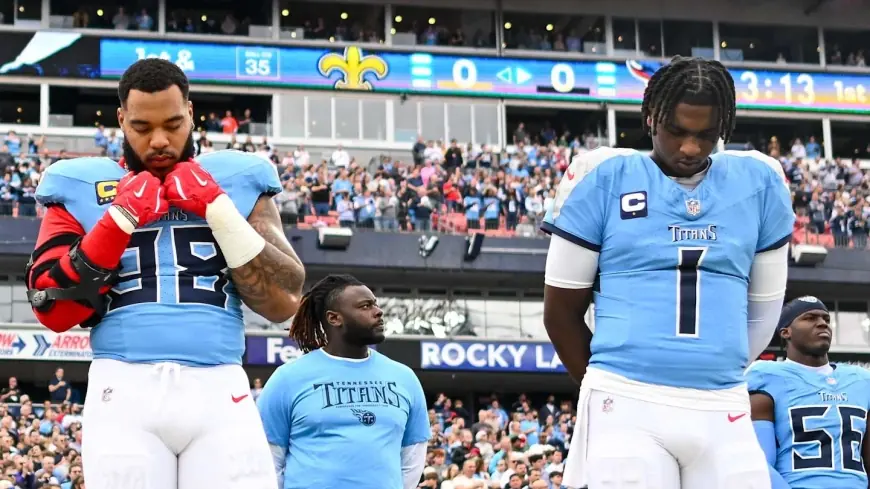
Why this matters now: head coach Robert Saleh has turned conversations toward developing the Titans' second-year talent and how those players will fit in his defensive scheme — a development that could shift rotations and options for the club's already-noted foundational pieces. t'vondre sweat appears in that conversation as part of the younger group being integrated, so his role will be one early indicator of how quickly the team leverages existing strengths toward a faster turnaround.
T'vondre Sweat in Saleh's development frame: impact on snaps and depth
Saleh's focus on second-year players centers on fitting talent into a defined defensive structure rather than rebuilding from scratch. That approach means younger players may see their immediate value judged on scheme fit and readiness to contribute. Here's the part that matters: if t'vondre sweat adapts to the scheme the way the coaching staff expects, he won't just be a developmental project; he'll be a roster variable that affects depth, rotation and matchup planning.
- Saleh emphasized integrating second-year talent into his defensive scheme.
- The team's climb back to competitiveness is framed as less steep because foundational pieces already exist across offense, defense and special teams.
- How quickly young defenders align with scheme language will influence early-season rotations.
It's easy to overlook, but this is not only about raw talent; it's about how quickly young players can be slotted into roles that complement established leaders on the roster.
How the broader roster context colors expectations
Recent coverage of the roster emphasizes existing foundational pieces across phases: a potential offensive leader at quarterback, an interior defensive anchor, and a rising special-teams asset. That structure reduces the pressure on second-year players to carry the entire turnaround; instead, they are being groomed to fill specific needs around proven performers. t'vondre sweat is part of that young cohort whose assimilation will be measured against those pillars.
Key facts drawn from the team's current picture:
| Roster element | Role described |
|---|---|
| Offensive young leader | Potential long-term catalyst; showed progress in rookie season |
| Jeffery Simmons | Described as a disruptive interior defender and recent first-team All-Pro |
| Chimere Dike | Noted as an emerging special-teams weapon |
What this implies for second-year players: they enter a setting that already has structural pieces, so their immediate value will be how well they complement — not replace — those elements.
- If younger defenders demonstrate scheme fluency in early practices, coaches are likely to expand their situational snaps.
- Conversely, delayed assimilation would keep minutes concentrated with established starters while development continues.
- Coaching emphasis on fit suggests evaluation will prioritize position-specific responsibilities over generic athletic upside.
The real question now is how quickly that transition happens and which young players respond fastest to a scheme-first approach.
Micro timeline (verifiable context only):
- Coach Saleh has been discussing integration of second-year talent and defensive scheme fit.
- Observers have noted the roster already contains foundational pieces across offense, defense and special teams.
- Individual notes on the roster include a quarterback who made rookie progress and a defensive interior player who achieved first-team All-Pro recognition.
Final note: the pace at which t'vondre sweat and his second-year peers assimilate to Saleh's structure will function as an early barometer for how quickly the team can turn its foundational pieces into consistent on-field performance. Recent updates indicate plans are in motion; details about specific snap counts and roles may evolve as practice evaluations continue.