

























Nasa Astronaut Medical Emergency: nasa astronaut medical emergency prompts first-ever medical evacuation from ISS

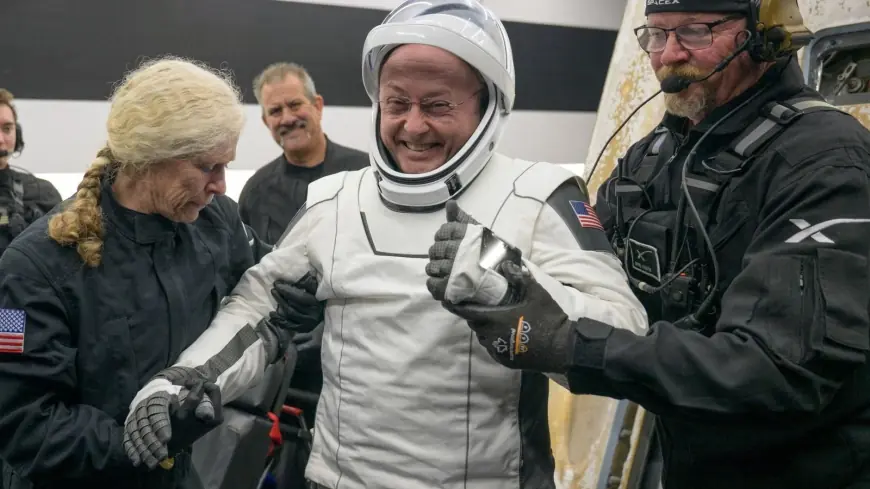
NASA has released details of a nasa astronaut medical emergency that began on Jan. 7 and led to the first medical evacuation in the International Space Station's 25-year history. The episode prompted an early return for Crew-11 and temporary reductions in station activity while the agency arranged advanced medical imaging on Earth.
Nasa Astronaut Medical Emergency: Mike Fincke’s account and status
Astronaut Mike Fincke, 58, said that on Jan. 7 he "experienced a medical event that required immediate attention" from his crewmates and that "thanks to their quick response and the guidance of our NASA flight surgeons, my status quickly stabilized. " NASA shared Fincke’s statement at his request. Fincke wrote that the situation was "not an emergency but a carefully coordinated plan" and that he is "doing very well and continuing standard post-flight reconditioning" at NASA’s Johnson Space Center in Houston.
Why NASA ordered an early return for Crew-11 and imaging on Earth
After initial on-orbit evaluation, NASA determined the safest course was an early return so Fincke could receive advanced medical imaging not available on the station. Top NASA officials and the agency’s chief health and medical officer concluded the early return about a week after the Jan. 7 event. The plan prioritized access to diagnostic capability on the ground rather than attempting advanced imaging in orbit.
Crew-11 timeline: canceled spacewalk, undocking and splashdown
The medical event forced cancellation of a spacewalk that had been planned for Jan. 8 and prompted consideration of an early return that same day. The four Crew-11 astronauts—Mike Fincke, Zena Cardman, Kimiya Yui and Oleg Platonov—undocked from the ISS on Jan. 14 in the same SpaceX Dragon capsule that had taken them to the station. After a nearly 11-hour trip they splashed down in the Pacific Ocean off the coast of San Diego in the early morning hours of Jan. 15, concluding a five-and-a-half-month mission.
Who remained on station and the operational impact
The early departure of the four Crew-11 members left three crew aboard the station—one American and two Russians—reducing on-orbit staffing. That change prompted NASA to pause spacewalks and scale back research output while operations were adjusted. The station later received four new astronauts in February and normal service resumed.
Wider acknowledgments, gratitude and medical handling
Fincke thanked his fellow Expedition 74 members—Zena Cardman, Kimiya Yui, Oleg Platonov, Chris Williams, Sergey Kud-Sverchkov and Sergei Mikayev—as well as teams at SpaceX and medical professionals at Scripps Memorial Hospital La Jolla near San Diego for their roles in his care and the return. In a post-landing briefing, NASA Administrator Jared Isaacman described the incident as a "serious situation" in orbit but said the crew member in question had been safe and stable ever since. Fincke noted his gratitude and closed his statement with the line, "Spaceflight is an incredible privilege, and sometimes it reminds us just how human we are. "
Background on the Crew-11 mission and station residency
The four Crew-11 astronauts had been living and working aboard the International Space Station since early August and had originally been expected to remain until late February. The decision to return them early shortened a mission that had lasted about five-and-a-half months and moved Fincke to land-based medical evaluation and continued reconditioning at NASA’s Johnson Space Center in Houston.
Denise Chow is a science and space reporter. Unclear in the provided context: any additional medical details beyond what Fincke and agency officials disclosed.