
























Zimbabwe Bans Export of Raw Minerals and Lithium Concentrate

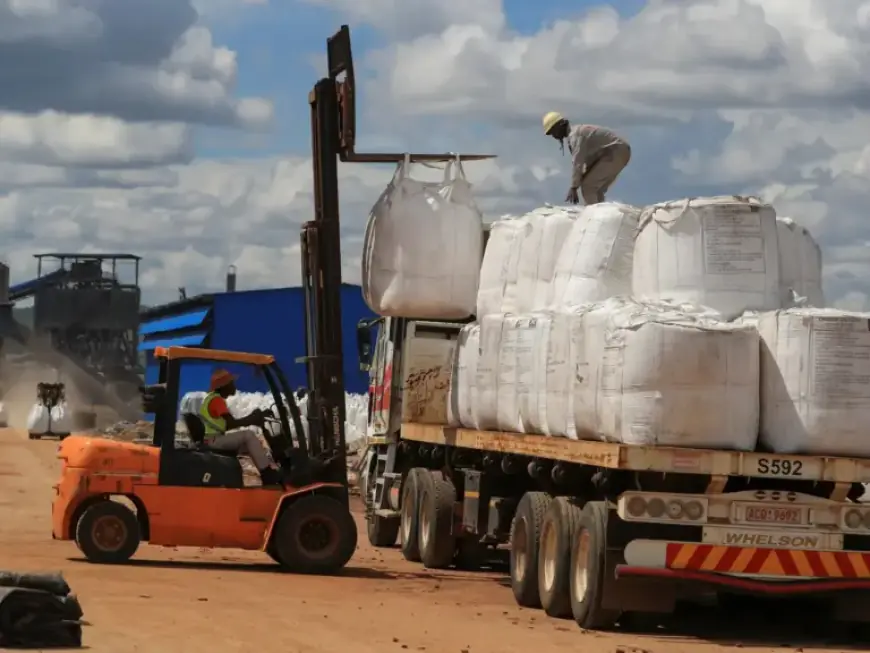
The Zimbabwean government has instituted an immediate ban on the export of all raw minerals and lithium concentrates. This decision affects minerals currently in transit and is designed to enhance local processing capabilities.
Details of the Export Ban
On February 25, 2026, Minister of Mines and Mining Development Polite Kambamura officially announced the ban. He emphasized that the action aims to support national interests and enhance the country’s mineral resource management.
- All raw minerals and lithium concentrates are covered by this ban.
- The import of lithium concentrate was originally scheduled to be banned in January 2027.
- Officials are addressing concerns of “continued malpractices” in mineral exports.
Intentions Behind the Ban
The government seeks to ensure transparency and accountability regarding mineral exports. By enforcing this ban, they encourage local processing and value addition. Zimbabwe holds the largest lithium reserves in Africa and looks to capitalize on this resource amid increasing global demand.
Global Context and Industry Response
The recent ban comes at a time when nations are tightening control over their mineral exports. This is particularly true for rare earth minerals vital in various industries, including electronics and renewable energy.
Zimbabwe aims to curb mineral leakages and improve the efficiency of its export systems. Kambamura stated that future engagement with the mining industry will clarify new expectations moving forward.
- Zimbabwe’s lithium-bearing spodumene exports increased by 11% to 1.128 million metric tonnes in 2025.
- China is the primary destination for Zimbabwe’s lithium concentrate.
Economic Impact
Mining serves as a crucial sector for Zimbabwe, contributing 14.3% to its gross domestic product, following manufacturing. Notable investments from Chinese firms have bolstered lithium mining operations, leading to substantial production increases.
Major players such as Zhejiang Huayou Cobalt and Sinomine are investing significant capital in lithium processing plants in the country. For example, Huayou is developing a $400 million facility to convert lithium concentrates into lithium sulfate.
Conclusion
With the export ban in effect, Zimbabwe is taking proactive steps to maximize its natural resources and benefit from the increasing global demand for lithium and other minerals. This initiative signifies a fundamental shift in the country’s approach to mineral exportation and processing.
For the latest developments on mining and mineral resources, visit Filmogaz.com.