





















Casey Means faces sharp questioning over vaccines, birth control and glyphosate

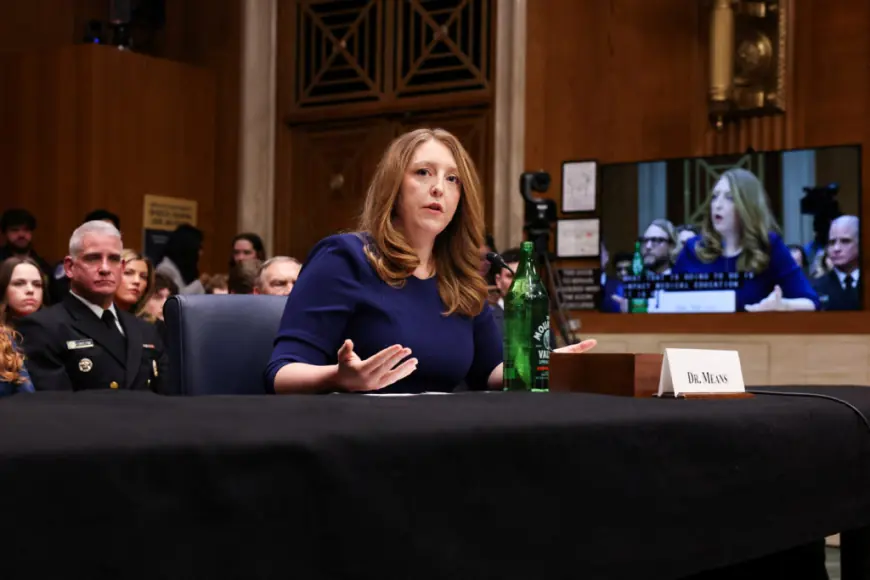
President Donald Trump's nominee for surgeon general, casey means, was pressed Wednesday during a Senate confirmation hearing on a range of issues — from an executive order promoting domestic glyphosate production to vaccines, hormonal birth control and questions about her qualifications. The exchanges highlighted tensions between Means' public health priorities and lawmakers' concerns over safety claims, conflicts and the role of the surgeon general.
Markey presses Means on Trump executive order and glyphosate
Sen. Ed Markey, D-Mass., asked Means about the president's recent executive order promoting more domestic production of glyphosate, an ingredient in weedkiller, and whether that policy conflicts with her past comments that glyphosate causes cancer. Markey pushed Means on whether the order harms the health of families. The Environmental Protection Agency says there is "no evidence glyphosate causes cancer in humans. " A clip of the exchange was shown during the hearing.
Casey Means frames MAHA goals and ties to Robert F. Kennedy Jr.
Means identified herself as a supporter of the Make America Healthy Again (MAHA) movement and an ally of Health Secretary Robert F. Kennedy Jr. She told senators: "We must as a country move away from using toxic inputs in our food supply and we must study these chemicals more to understand their effects. I am very gravely concerned about the health impacts of these chemicals. " Means later described the MAHA strategy as "going to make sure American consumers are protected, and that we are entering an era where we are going to prioritize helping farmers move to more sustainable farming practices. I think those are all good things. I think it's extremely important, both for our planet and our health, and I'm going to be a champion on that issue. "
Questions on vaccines and informed consent from Sen. Cassidy
Senators from both parties pressed Means on how she would approach vaccination policy if confirmed. The hearing noted that surgeons general have sometimes advocated on vaccination even though the office has no role in creating vaccine policy. Means has largely steered clear of Kennedy's debunked views on vaccines, but lawmakers still sought clarity. Sen. Bill Cassidy, the Louisiana Republican who chairs the Senate health committee and is a doctor, asked whether she would advise Americans to vaccinate against flu and measles amid outbreaks across the U. S. Means did not make that commitment, instead emphasizing the importance of informed consent between patients and doctors. Cassidy then asked Means if she accepts evidence that shows vaccines don’t c — unclear in the provided context.
Sharp scrutiny of qualifications, financial ties and license status
Lawmakers also turned to Means' background. The 38-year-old, Stanford-educated physician described herself as a wellness influencer, author and entrepreneur who has focused on addressing root causes of chronic disease rather than "reactive sick care. " The hearing record notes her disillusionment with traditional medicine drove her to a career in which she has promoted various products, at times without disclosing how she could benefit financially. Committee members pointed out that she has no government experience and that her license to practice as a physician is not currently active. Vermont independent Sen. Bernie Sanders, the ranking member of the Senate health committee, said, "I have very serious questions about the ability of Dr. Means to be the kind of surgeon general this country needs. "
Hearing logistics, next steps and documentation of testimony
Means testified before the Senate Health, Education, Labor and Pension Committee during a confirmation hearing on Capitol Hill in Washington on Wednesday, Feb. 25, 2026. Photographs from the hearing were credited to Tom Brenner. The committee will next consider whether to advance Means' nomination, which, if advanced, would go to a vote in the full Senate. Coverage of the hearing included material contributed by Wyatte Grantham-Philips.