

















Cuban Government enforcement action leaves four US-based Cuban nationals dead and six injured after speedboat clash

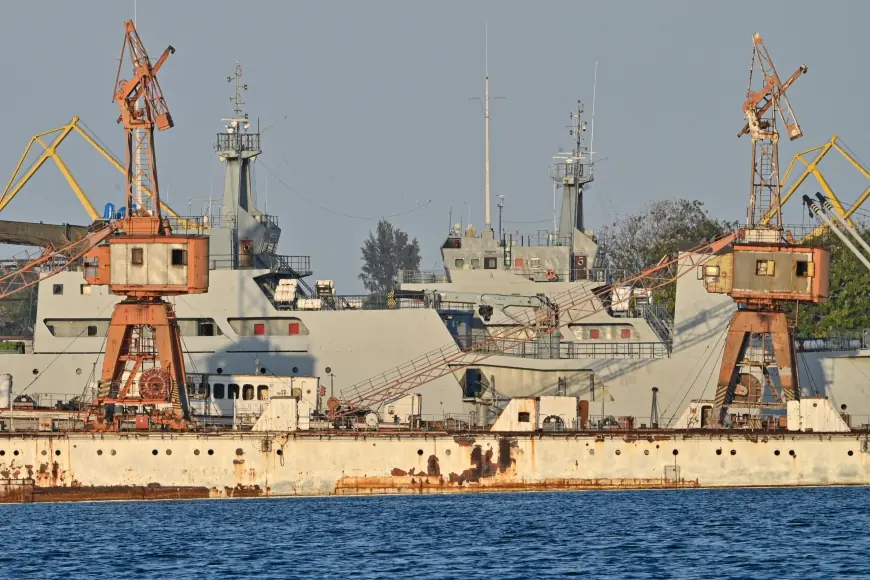
The immediate human impact lands first: families of those aboard, six injured survivors and communities in both countries are grappling with the aftermath of a lethal maritime confrontation involving the cuban government. The Cuban Embassy said the four people killed were born on the island but lived in the United States, and officials framed the operation as a response to an alleged armed infiltration into Cuban waters.
Cuban Government posture and who is affected
Officials described this as an enforcement action against what they called an armed infiltration. The Interior Ministry said law enforcement opened fire after the vessel entered Cuban waters and that the craft carried 10 armed people who were said to have intended an infiltration for terrorist purposes. The immediate effects fall on the families of the deceased and injured, survivors dealing with injuries and legal scrutiny for several named individuals.
Event details and the scene off the El Pino channel
The vessel was a Florida-registered speedboat; an official said the incoming craft was a 24-foot power boat manufactured in 1981 and that those aboard were trying to get relatives out of Cuba. The shootout occurred about one nautical mile northeast of the El Pino channel, a location directly south of Florida and off the north side of Cuba that is regularly patrolled by the cuban government.
Who was aboard, casualties and arrests
- Four passengers were gunned down by Cuban border troopers in a shootout; one of the deceased was identified as Michel Ortega Casanova.
- Six injured survivors were identified as Amijail Sánchez González, Leordan Enrique Cruz Gómez, Conrado Galindo Sariol, José Manuel Rodríguez Castelló, Cristian Ernesto Acosta Guevara, and Roberto Azcorra Consuegra.
- An eleventh Cuban national, Duniel Hernández Santos, was arrested within national territory; it is unclear in the provided context whether he was on the boat with the other purported infiltrators.
The Interior Ministry alleged assault rifles, handguns, Molotov cocktails and other weapons were found onboard the speedboat.
Legal labels, claims about orchestration and contested lines
The embassy said González and Gómez were listed on Cuba's national wanted list for suspected participation in the promotion, planning, organization, financing, support or execution of terrorist acts in Cuba or abroad. Authorities further said Santos had been sent from the United States to receive armed seafarers on Cuba's shore and that he confessed to his role in the operation.
U. S. responses and remaining questions
When asked about the citizenship of those aboard, the State Department pointed to earlier comments by Secretary of State Marco Rubio. He pledged that the U. S. would seek to establish exactly what happened and would respond accordingly, and said U. S. investigators would look for their own information rather than relying solely on the Cuban explanation. He also noted that shootouts in the open sea are highly unusual.
Here's the part that matters: a range of factual claims—who fired first, the intended target of the voyage, and whether the eleventh arrested person was physically on the boat—remain described differently by officials and are therefore unresolved in the provided context.
What’s easy to miss is the mix of operational detail and legal labeling: a small, aging 24-foot craft built in 1981, a claim of 10 armed passengers, detailed lists of weapons, and both battlefield casualties and named surviving individuals all exist in a single incident that now spans criminal, humanitarian and diplomatic threads.
Possible next signals that would clarify the picture include independent forensic confirmation of weaponry and ballistics, clear confirmation of where the eleventh arrested person was at the time of the clash, and official determinations about citizenship and legal status of those aboard—details that would shape any diplomatic or legal responses.