

























Lauren Chapin — How the ‘Kitten’ of Father Knows Best Lived a Public Life After Private Turmoil

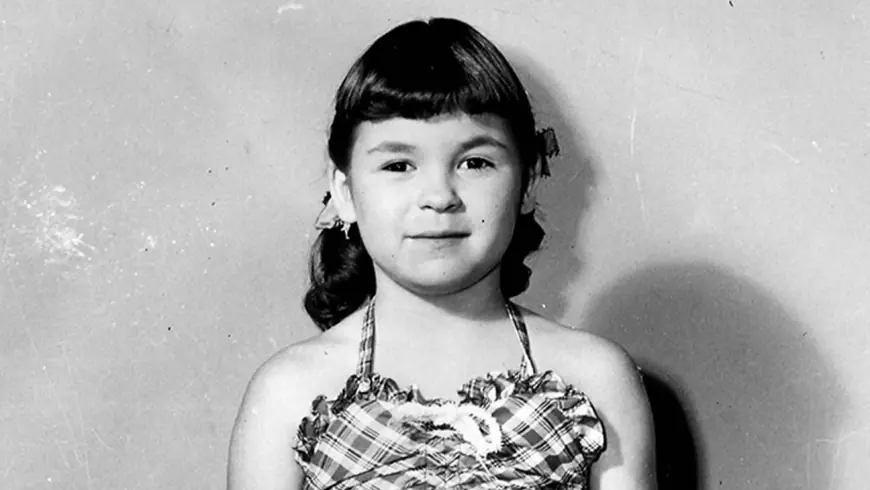
Why this matters now: lauren chapin’s death closes a chapter on a life that stretched from 1950s TV stardom to decades of very public recovery work. Her trajectory—from a child cast at age 9 to a figure who later spoke about abuse, addiction and advocacy—frames ongoing conversations about how early fame can ripple across a lifetime.
Lauren Chapin’s long arc: fame, collapse, recovery and advocacy
Chapin’s story is not just the end of a career but a study in consequences that followed early success. She won junior acting awards as a child and became a cultural touchstone as the Anderson family’s youngest daughter, yet later described a childhood marked by sexual abuse, mental-health crises and substance dependence. After gaining sobriety in the 1970s, she shifted into ministry, talent management and public advocacy for child performers.
Death and immediate notices
The family announced that Chapin has died at age 80. Her son Matthew posted on Facebook that she died on a Tuesday after a long battle with cancer; one account gave the calendar date as Tuesday, February 24, and described the illness as a five-year fight. Matthew asked for privacy and prayers for his sister and family as they process the loss.
How she arrived on screen and the run of Father Knows Best
- Early screen work included a 1952 appearance on Lux Video Theatre and a role in the 1954 film A Star Is Born.
- She was cast at age 9 as Kathy “Kitten” Anderson and played the role for six seasons on Father Knows Best; the series aired from October 1954 through May 1960.
- The program had multiple network stints, then reruns continued in primetime for a couple more years and much longer in syndication; the cast reunited for a pair of TV specials in 1977.
Personal history: family, trauma and interruptions
Chapin was born in Los Angeles on May 23, 1945. She had two older brothers, Billy Chapin and Michael Chapin, who were child actors as well; accounts connect Billy with midcentury genre work and one account notes he died in 2016, while Michael has been linked with It’s a Wonderful Life. Her mother, Marguerite, moved her brother Billy to New York to pursue stage work when Lauren was about 6; Chapin later said she was left with her father, William, whom she accused of molesting her. By age 11 she described herself as having a “manic depressive personality” and attempted suicide during that period.
Descent, legal fights and the path out
After Father Knows Best ended, Chapin’s life included early marriage (married at 16, divorced at 18), another annulled marriage, substance abuse and time in jail. She said one relationship led to prostitution and seven years of heroin use that ended by age 25. Chapin lost eight children to miscarriages and later sued her mother to claim a portion of the money she had earned from the series. She also described multiple miscarriages in interviews and public appearances over the years.
Later work, advocacy and public presence
Following sobriety in the 1970s, Chapin worked as a minister and as a talent manager. She recounted her life in inspirational speeches, talk-show appearances and documentary programs, and published a memoir titled Father Does Know Best in 1989. She served on the founding board of a nonprofit dedicated to protecting child actors, worked as an advocate for young performers, and continued occasional media appearances into the 2010s, including a 2016 web-series spot. Her onetime roster of clients as a manager has been linked with younger performers of later generations.
- Notable career markers: five-time junior Emmy winner, signed to a studio contract as a child, studied with choreographers Gower and Marge Champion and mime Marcel Marceau.
- Final long-running acting hiatus began after a post‑series guest appearance five months following Father Knows Best; that appearance preceded a 16-year break from acting.
Here’s the part that matters: Chapin’s public candor about abuse, addiction and recovery turned a familiar nostalgia figure into a touchpoint for discussions about child performers’ welfare. The real question now is how those conversations will honor both her early work and the harm she described.
What’s easy to miss is that her public advocacy came after decades of personal struggle and a formal pivot into ministry and mentoring; that sequence shaped how she spoke about child stardom later in life.
Uncertainties in the provided context: a few family and film credits appear with differing details in separate accounts (for example, variations in titles linked to her brother Billy’s film work). Those points are unclear in the provided context and are left as presented rather than reconciled.