






















Chinamaxxing trend widens cultural conversation as Western users adopt Chinese habits

What began as a playful online movement has turned into a wider cultural moment: chinamaxxing—short for a wave of people embracing everyday Chinese habits—has spread rapidly this year, drawing attention for both its enthusiasm and the questions it raises about cultural representation.
Why Chinamaxxing is spreading
The phrase Chinamaxxing exploded online in January after a viral clip shared on Jan 15 helped popularize a set of commonplace practices: drinking hot water, having rice or congee for breakfast, wearing house slippers and taking soothing foot baths. The originator’s clip amassed more than 530, 000 likes and roughly 3. 1 million views on the platform where it circulated, and users quickly began sharing riffs and adaptations that lean into those daily habits as lifestyle choices.
Everyday Americans going all in
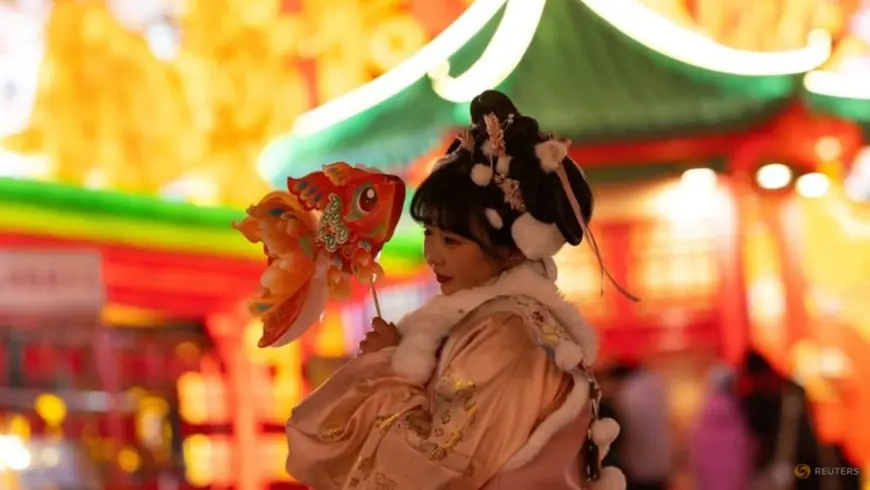
Many posts show non-Asian users adopting the routines as part of their morning or evening rituals. One user described a routine of congee for breakfast and hot water; another filmed boiling apples while celebrating the persona of a “Chinese baddie. ” The trend gained extra momentum around mid-February, when visuals of people wearing red and other customary touches circulated widely in the run-up to a major cultural holiday, amplifying participation and visibility.
Debate: cultural curiosity or TikTok caricature?
The movement has prompted debate over whether surface-level adoption helps build cultural awareness or risks reducing complex traditions to easily shareable symbols. Some commentators view the heightened visibility and curiosity as a net positive for cultural recognition; others caution that taking isolated habits out of context can become performative and may inadvertently trivialize a lived identity that has faced discrimination. Observers point to the line between sincere appreciation and a caricatured performance when culturally rooted practices are repackaged for short-form social clips.
What participants say and what remains unclear
The creator credited with sparking much of the attention has described Chinese culture as a meaningful part of their life and has framed sharing these habits as a way to spread joy. Numerous users have embraced the suggested practices and shared their own adaptations, while a broader set of posts has spun off related catchphrases and formulas that signal belonging or playful transformation. It is not publicly confirmed whether the trend will translate into sustained interest or deeper cultural engagement beyond these online moments.
Forward look: visibility, risks, conditions
If the trend maintains high visibility on short-form social platforms, it may increase general curiosity about everyday cultural practices and prompt more people to learn about the contexts behind them. If adoption remains confined to surface rituals without accompanying context, the pattern may shift toward caricature rather than understanding. Stakeholders watching the phenomenon highlight two observable indicators to follow: continued volume of user-generated clips showing these habits, and whether subsequent posts add explanatory context rather than only aesthetic cues.
Key elements of the discussion—enthusiastic adoption, public debate over intent and impact, and the role of holiday timing in amplifying interest—have driven chinamaxxing into a wider conversation about how cultural traditions travel online and what responsibilities accompany that spread.