






John Davidson Tourette’s, I Swear movie, and BAFTA Film Awards spark backlash involving Michael B Jordan and Delroy Lindo

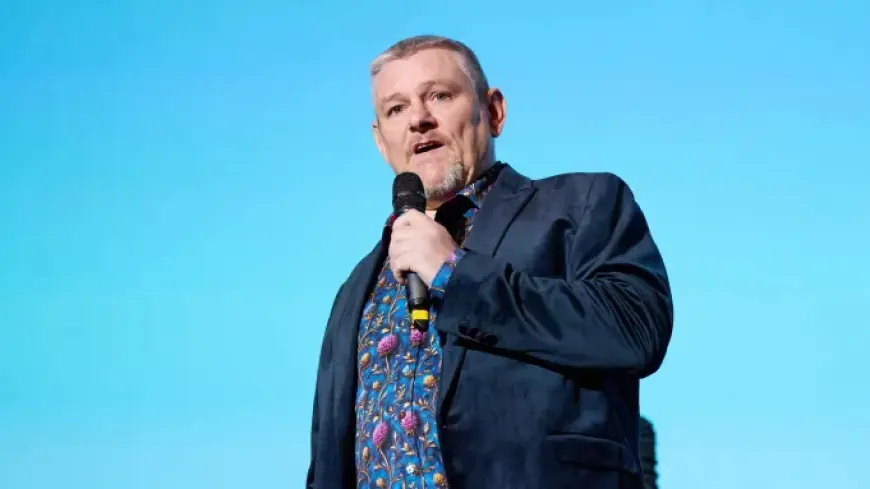
A tense moment at the BAFTA Film Awards has triggered a wider debate about disability accommodations, live broadcast safeguards, and the limits of editing when Tourette syndrome symptoms surface in public. The incident centers on john davidson, the Tourette advocate whose life inspired I Swear—the i swear movie that became a major talking point at the bafta awards weekend for both its wins and the controversy that followed.
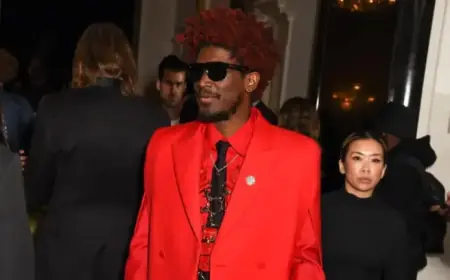
The flashpoint came during the Feb. 22, 2026 (ET) telecast, when Davidson experienced vocal tics in the audience that included offensive language while presenters michael b jordan and delroy lindo were on stage.
BAFTAs: what happened during the BAFTA Film Awards telecast
During the live show, john davidson had multiple vocal tics that were audible in the room and on the broadcast feed. Public reaction intensified after one tic included a racial slur at the same time michael b jordan and delroy lindo were presenting.
In the days since, the organizers apologized and opened a review focused on how the moment made it to air and what protocols were in place—both to protect those targeted by the language and to avoid putting a person with Tourette syndrome in a high-risk setup in the first place.
Davidson has said he was told in advance that strong language would be removed from the broadcast. The telecast did not fully do that, and the result has been a backlash aimed in multiple directions: at the production choices, at the decision to seat him near a microphone, and at the broader lack of understanding about how certain Tourette symptoms can present.
John Davidson Tourette’s: why the language issue is so complicated
The controversy has put rare Tourette symptoms back into mainstream conversation—especially coprolalia, which can involve involuntary uttering of socially inappropriate words. Advocacy groups and people living with Tourette syndrome have stressed that tics are not chosen, not intended, and do not reflect a person’s beliefs.
At the same time, many viewers and public figures have emphasized the real harm caused when slurs are heard—regardless of intent—especially in a setting as global as the baftas broadcast. That tension sits at the heart of the story: a medical condition that removes intention colliding with language that carries severe trauma for targeted communities.
Davidson has expressed regret and said he wants to apologize directly to those affected. The incident has also renewed scrutiny of whether the show had adequate safeguards to prevent predictable harm without isolating or stigmatizing someone with a disability.
Robert Aramayo, I Swear, and the “I swear” awards surge
The film I Swear—also searched widely as i swear and i swear movie—is a biographical drama inspired by Davidson’s life and his experience living with Tourette syndrome. Actor robert aramayo portrays Davidson in the film, and his performance became one of the most discussed elements of the night.
The film’s success at the bafta film awards amplified attention on Davidson’s real-life presence in the audience. For supporters, the awards recognition was a rare moment of visibility for Tourette stories told with depth and empathy. For critics of the telecast handling, the same visibility sharpened questions about whether the production did enough to prevent harm in a live environment.
Michael B Jordan and Delroy Lindo: the fallout for the presenters
For michael b jordan and delroy lindo, the moment landed in the middle of a routine presenting segment and instantly became the defining clip of the night. Their onstage professionalism was widely noted, but the larger issue was what happened afterward: whether the show’s leadership responded promptly and directly to those targeted, and whether support was offered in real time behind the scenes.
The incident also raised a broader question for awards shows: when something harmful happens live, what is the standard for immediate acknowledgment—during the show, during the next commercial break, or only afterward through statements?
John Davidson I Swear: what the review is expected to focus on
The announced review is expected to examine how the broadcast audio was managed, what delays or editing tools were available, and how audience mics were placed and monitored. It will also likely look at the advance planning: what organizers knew about Davidson’s tics, what accommodations were discussed, and whether the seating plan increased risk.
Here’s a quick snapshot of the key issues now under scrutiny:
| Issue | Why it matters | What changes could look like |
|---|---|---|
| Audience mic placement | Can amplify tics and turn a medical symptom into a global incident | Greater distance from open mics, more controlled audio zones |
| Live delay / editing tools | Determines whether offensive words reach air | Longer delay buffers, clearer “dump” protocols |
| Disability accommodations | Prevents harm without excluding disabled guests | Individualized plans that reduce risk and preserve dignity |
| On-site response | Addresses immediate harm to presenters and viewers | Faster acknowledgments, direct support for impacted participants |
As the debate continues, one point is clear: john davidson tourette and john davidson tourette’s have become central to a public conversation not only about Tourette syndrome, but also about how live TV handles risk, respect, and responsibility—especially when I Swear has already pushed the condition into a brighter spotlight.