










US men’s hockey controversy intersects with Presidential Medal of Freedom debate as Connor Hellebuyck and Jack Hughes draw attention

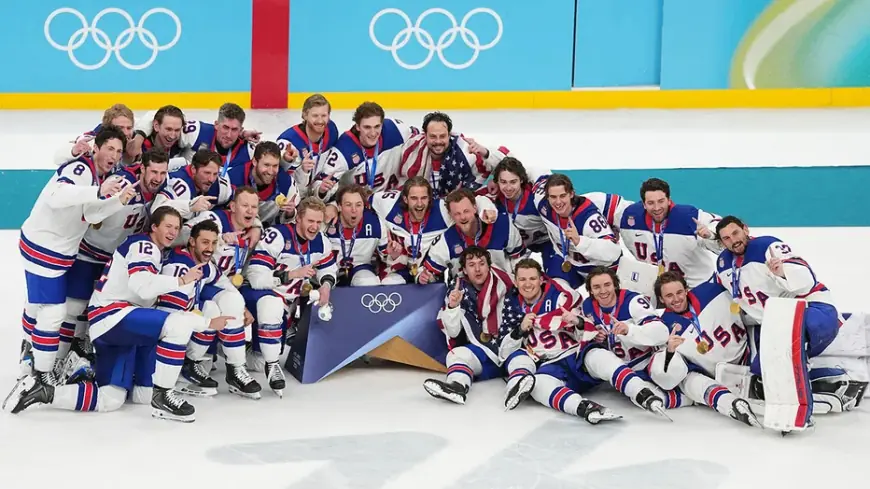
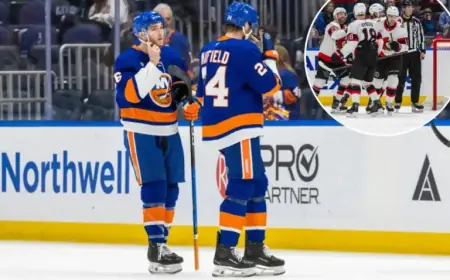
A brewing US mens hockey controversy has widened beyond the rink, spilling into a political debate over the Presidential Medal of Freedom, the White House, and what athletes represent when they visit Washington. The discussion intensified this week after comments tied to the USA hockey team were amplified on social media and cable segments, drawing in names such as Connor Hellebuyck, Jack Hughes, and other NHL standouts.
While the players themselves have not announced any political stance, the situation has reignited broader questions about sports, symbolism, and the intersection of athletics and national honors.
What is the Presidential Medal of Freedom and who receives it?
The Presidential Medal of Freedom is the highest civilian honor in the United States. It recognizes individuals who have made significant contributions to national interests, world peace, cultural or public endeavors, or other substantial achievements.
Over the decades, numerous Presidential Medal of Freedom recipients have included public servants, artists, scientists—and athletes.
Notable athletes who have received the Presidential Medal of Freedom include:
-
Muhammad Ali
-
Michael Jordan
-
Billie Jean King
-
Babe Ruth (posthumously)
-
Tiger Woods
In total, several dozen athletes have received the honor, though the exact number varies depending on how “athlete” is defined (professional competitors vs. sports administrators).
Connor Hellebuyck and the USA hockey goalie spotlight
Connor Hellebuyck, widely regarded as a top USA hockey goalie, has recently been at the center of online speculation regarding whether members of the USA hockey team would attend a potential White House ceremony if invited.
Hellebuyck has not publicly addressed any White House appearance, but his name has circulated due to his leadership role and visibility in international play.
The broader conversation reflects how elite athletes can become symbolic figures in political debates—even when they have not made explicit political statements.
Jack Hughes, the Hughes brothers hockey spotlight, and team dynamics
Jack Hughes, one of the most recognizable young American stars, has also been mentioned amid the mens hockey team Trump debate. Alongside his brothers in the well-known Hughes brothers hockey family, Hughes represents the next generation of U.S. hockey talent.
His mother, Ellen Hughes, is frequently referenced in profiles about the family’s development pipeline, though she has not been connected directly to the current controversy.
The inclusion of younger stars like Hughes underscores how rapidly sports discussions can become political flashpoints.
Women’s hockey team White House question resurfaces
The debate also revived questions about past White House visits, including “what did Trump say about the women's hockey team” and whether a women’s hockey team White House appearance should mirror traditions long associated with championship teams.
Historically, championship teams across multiple sports have been invited to the White House. In recent years, however, some athletes and teams have declined invitations, citing personal or political reasons. That precedent frames today’s speculation around whether any future USA hockey team invitation would be universally accepted.
Jake Oettinger, Kyle Connor, Jake Guentzel and the roster ripple effect
Beyond Hellebuyck and Hughes, other prominent names have surfaced in commentary, including Jake Oettinger, Kyle Connor, Jake Guentzel, and Jackson Lacombe. None have issued formal statements tied to a White House visit.
The dynamic illustrates how entire rosters can become part of a national debate—even when the original trigger may be a comment, post, or media segment amplified across platforms.
Political media and online amplification
Segments on cable news and commentary from media personalities, including Keith Olbermann, have added fuel to the discussion. Meanwhile, references to statements shared on Trump Truth Social have circulated widely, though direct quotes and context vary depending on the outlet discussing them.
The controversy demonstrates how modern sports news often unfolds simultaneously across traditional media, streaming platforms, and social networks.
Medal of Freedom athletes and the politics of symbolism
The larger issue remains the symbolism of honors like the Medal of Freedom. When athletes are considered among presidential medal of freedom athletes, the award recognizes excellence and impact beyond statistics.
Questions such as “how many athletes have received the presidential medal of freedom” and “what athletes have won the presidential medal of freedom” resurface whenever sports figures enter political conversations.
At present, no USA hockey players have been formally announced as future recipients. The debate is more about precedent, participation, and principle than about a confirmed ceremony.
Where the US men’s hockey controversy stands now
As of now:
-
No official White House invitation has been confirmed
-
No USA hockey players have announced attendance decisions
-
No Medal of Freedom nomination involving current hockey players has been announced
The US mens hockey controversy reflects a broader pattern in American sports culture: athletes increasingly operate at the intersection of performance, public identity, and politics.
Whether this discussion fades or intensifies may depend less on the ice—and more on what is said next beyond it.