



















Trump Rx: Administration’s Negotiations Produce Limited Cash Discounts, Fact-Check Finds

President Donald Trump has repeatedly framed the administration’s drug-price efforts as delivering the lowest drug costs worldwide, but a fact-check posted and updated on February 18, 2026 indicates the savings so far are narrow. The trump rx portal lists negotiated cash prices for a small number of brand-name drugs, yet the deals reached to date have not translated into widespread price relief at the pharmacy counter.
Trump’s Jan. 27 Iowa speech and the Feb. 5 Trump Rx launch
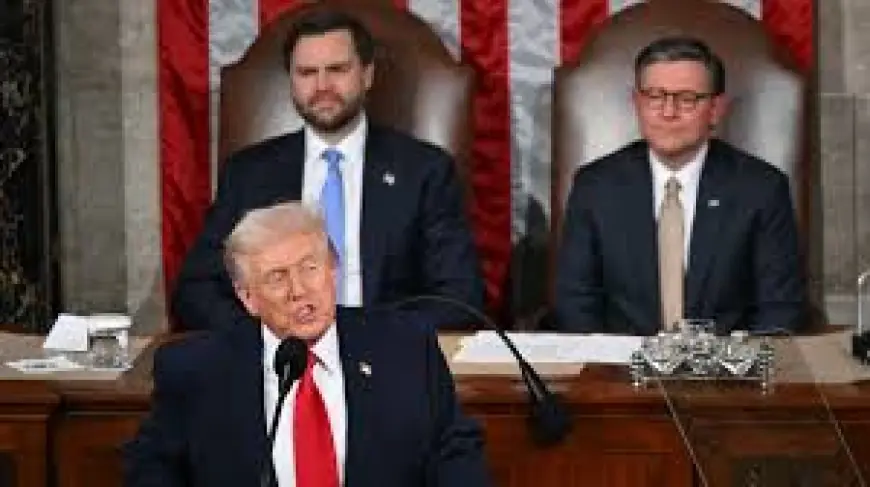
In a Jan. 27 speech in Iowa, the president declared that the United States is now paying the lowest prices for drugs anywhere in the world and repeated that message at the Feb. 5 launch of the Trump Rx website, saying the American people would no longer subsidize drug costs for other countries. The Trump Rx site itself asserts that tying U. S. prices to foreign levels through most favored nation, or MFN, pricing is "guaranteeing huge savings for Americans. "
Voluntary agreements with 16 companies
Thus far the administration’s negotiations produced voluntary agreements with 16 drug manufacturers. Under those agreements, companies have pledged discounted cash prices on select brand-name drugs for people who pay cash and are not using insurance. In exchange, the companies have been promised exemptions from tariffs and other benefits, including exemptions from any future mandatory MFN pricing. Many details of those arrangements remain unclear.
Rena Conti: savings have not reached pharmacy counters
Health economist Rena Conti of Boston University’s Questrom School of Business said the negotiations, "with rare exception, " do not appear to have converted into actual savings for people at the pharmacy counter or for public or commercial payers yet. Conti identified exceptions in recent deals: certain weight-loss and fertility drugs, which are often not covered by insurance, are being offered at reduced cash prices and therefore can produce visible savings for some buyers.
List prices, rebates and 46brookyln’s 4% median rise
Assessing broad change is complicated by the absence of a single, easily tracked U. S. drug-price measure. Manufacturers publish list prices, but individuals, insurers and the government rarely pay those amounts because rebates and other discounts alter actual net costs. There are no signs of widespread cuts to list prices; historically, January has been a month for price increases. Research firm 46brookyln found the median list price increase for hundreds of brand-name drugs so far in 2026 was 4%, the same median rise recorded in 2025.
What the Trump Rx portal and the limited deals mean for consumers
The administration has advertised discounted cash prices for a small number of brand-name drugs, and the Trump Rx portal directs consumers to those prices. Because the negotiated discounts apply mainly to people paying cash and not using insurance, widespread downward pressure on prices for insured patients or for public and commercial payers has not materialized. What makes this notable is that voluntary, targeted cash discounts can produce clear savings for certain shoppers while leaving broader market prices—and the insurers and programs that pay most drug bills—largely unchanged.
A White House spokesperson asserted that Americans would be paying the same or lower prices than other countries in the future; the remainder of that statement is unclear in the provided context. Separately, a record entry titled "Service unavailable" appears in the public materials connected to this reporting.
In short: the administration’s actions have created specific, visible cash-price reductions for a limited set of drugs, driven by voluntary deals with 16 companies and exchanges of concessions. The effect has been measurable for some consumers buying particular weight-loss and fertility products, but the deals have not produced broad, economy-wide cuts in list prices or guaranteed savings for insured patients and large payers.