






















EU Memo Warns of Security Risks Following IS-Linked Syria Camp Escape

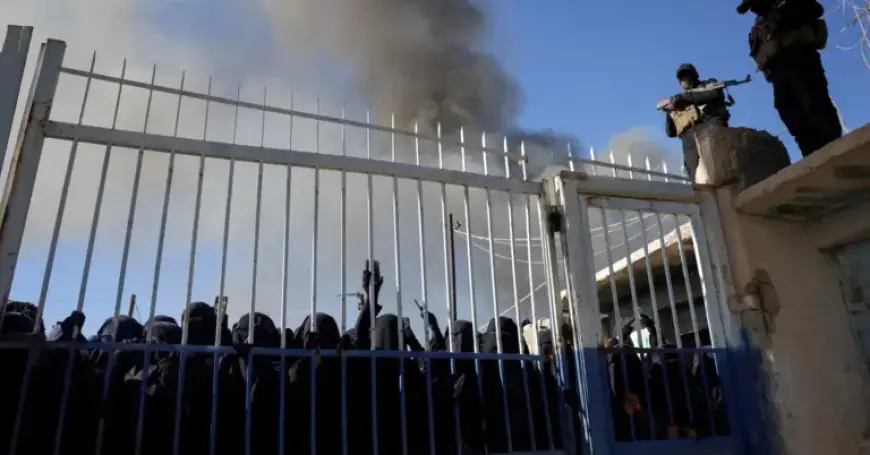
An internal memorandum from the European Union has raised significant security concerns regarding the escape of individuals from an al-Hol detention camp in northeastern Syria. This camp housed relatives of suspected Islamic State (IS) fighters and has become a focal point for fears of radicalization and recruitment by militant groups.
Evolving Security Risks Following Al-Hol Camp Escape
Reportedly sent from the Cyprus presidency of the EU Council to member states, the memo dated February 23, highlights the unclear status of many third-country nationals who fled al-Hol. It indicates that the majority of escapees could potentially be targeted for recruitment by terrorist organizations.
Background on Al-Hol Camp
- Al-Hol is located near the Iraqi border and was one of the key facilities for IS suspects’ relatives.
- The U.S. military transferred approximately 5,700 adult male IS fighters to Iraq recently.
- On January 20, control of the camp shifted to the Syrian government following clashes that led to a loss of security.
Before the takeover, the al-Hol camp housed 23,407 individuals, including 6,280 foreign nationals from over 40 different countries. The recent chaotic transition of power led to severe security failures and disruptions in essential services, resulting in a mass exodus.
Concerns Raised by EU Memo
The memo underscores the potential increase in recruitment efforts by extremist groups among the escapees. It details that the situation has turned chaotic, confirming a significant and uncontrolled exodus undermining the camp’s stability.
According to the EU document, the Syrian government’s ability to effectively manage the al-Hol facility is considerably limited, which raises grave security concerns for the future. The ongoing humanitarian conditions in both al-Hol and Roj camps, still controlled by the Syrian Democratic Forces (SDF), are precarious, primarily involving women and children who may hold radicalized views.
Impact on International Relations
The situation also raises alarm regarding families of IS fighters, including notable individuals such as British-born Shamima Begum. The Australian government recently refused to assist returning families of IS militants, emphasizing the international ramifications of the evolving crisis.
As the situation develops, the EU memo reflects a growing urgency among member states to assess and address potential risks associated with the radicalization of individuals escaping from these camps.