

























Fox News Live: Epstein Survivors, Olympic Teams and High-Profile Guests Mark State of the Union Seating

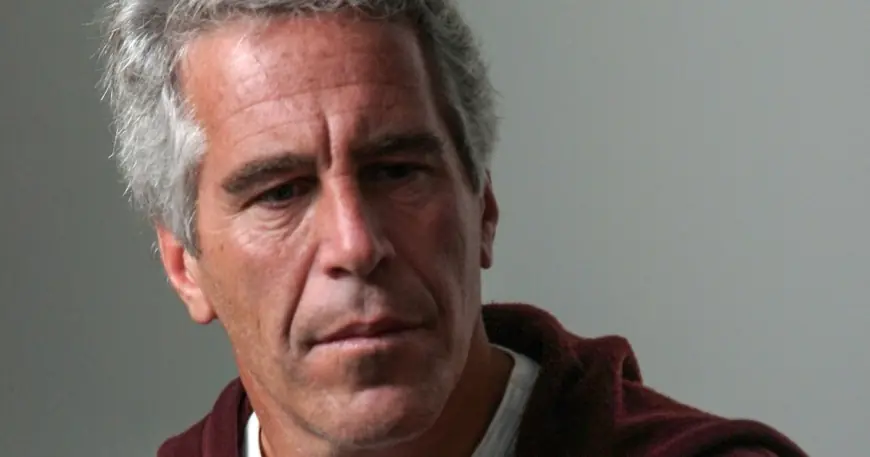
Over a dozen House Democrats invited survivors of Jeffrey Epstein to be their guests at the president’s State of the Union address Tuesday night, a move that brings survivors and calls for accountability into the chamber’s public spotlight. live
Development details Live
Lawmakers confirmed that more than a dozen House Democrats extended invitations to Epstein survivors, with several named pairings and party leaders hosting guests. Rep. Ro Khanna, one of the authors of the Epstein Transparency Act that led to the release of millions of files tied to the financier, said he will bring Haley Robson, who has said Epstein trafficked her beginning when she was 16. House Minority Leader Hakeem Jeffries is hosting survivor Marina Lacerda alongside family members of the late Rev. Jesse Jackson and Vonetta Rougier.
At least one senator is participating: Senate Minority Leader Chuck Schumer will bring Dani Bensky, described as a New Yorker and a survivor who has advocated for full file releases. Rep. Jamie Raskin will host Sky and Amanda Roberts, identified as the brother and sister-in-law of Epstein accuser Virginia Roberts Giuffre. Rep. Melanie Stansbury is bringing New Mexico state Rep. Andrea Romero. Other House members are using guest invitations to advance varied messages: Rep. Ilhan Omar is bringing constituents affected by ICE raids in Minnesota, while Rep. Pete Stauber is bringing a right-wing influencer who has reported on fraud allegations against some Somali immigrants.
Context and escalation
The presence of Epstein survivors follows the enactment of the Epstein Transparency Act, credited by supporters with producing the release of millions of related files. Advocates and some survivors have criticized the Justice Department’s handling of the matter, contending that it has not done enough to pursue possible accomplices and that redactions in the released files left individuals’ names obscured or, in some cases, insufficiently protected. Some survivors have argued the Justice Department violated their rights and the letter of the new law by failing to fully redact their identities in documents made public.
Members of Congress have long used guest invitations to the address to signal political messages; organizers pointed to that custom as a driver behind the clustered invitations of survivors and other high-profile individuals. What makes this notable is the way a legislative change — the transparency law authored in part by an attending member — has translated directly into public visibility for those affected and into a congressional moment focused on accountability.
Immediate impact
The guest list rearranges the chamber’s visitors and the visual framing of the address. Survivors seated with Democratic lawmakers will make the demand for transparency and accountability physically present on the House floor, underscoring grievances with the Justice Department’s redactions and prosecutorial choices. Schumer’s guest, Dani Bensky, and Khanna’s guest, Haley Robson, are explicit examples of survivors who have pushed for full access to documents and tougher review of potential accomplices.
Other guest decisions create additional attention: the White House confirmed that Erika Kirk will be among the president’s guests, and the administration invited both the men’s and women’s U. S. Olympic hockey teams. A spokesperson for USA Hockey said the women’s team will not be able to attend because of prior commitments, while House Speaker Mike Johnson indicated he planned to "squeeze in" the men’s team following the president’s request. live
Forward outlook
The address itself is the immediate milestone: the State of the Union on Tuesday night will bring together the invited guests and lawmakers on the House floor. The presence of survivors who helped spur the Epstein Transparency Act means the law’s effects — the release of millions of files — will be central to the framing offered by several Democratic members. If attendees press public calls for further action, those demands will be visible to lawmakers and national audiences in real time.
In the days after the address, the documented criticism of the Justice Department’s redactions and handling of prosecutions is likely to remain part of lawmakers’ statements and constituent outreach; the guest list has already demonstrated how legislative outcomes and constituent advocacy can intersect inside a single, highly watched congressional event.